
Short Answer
Overview
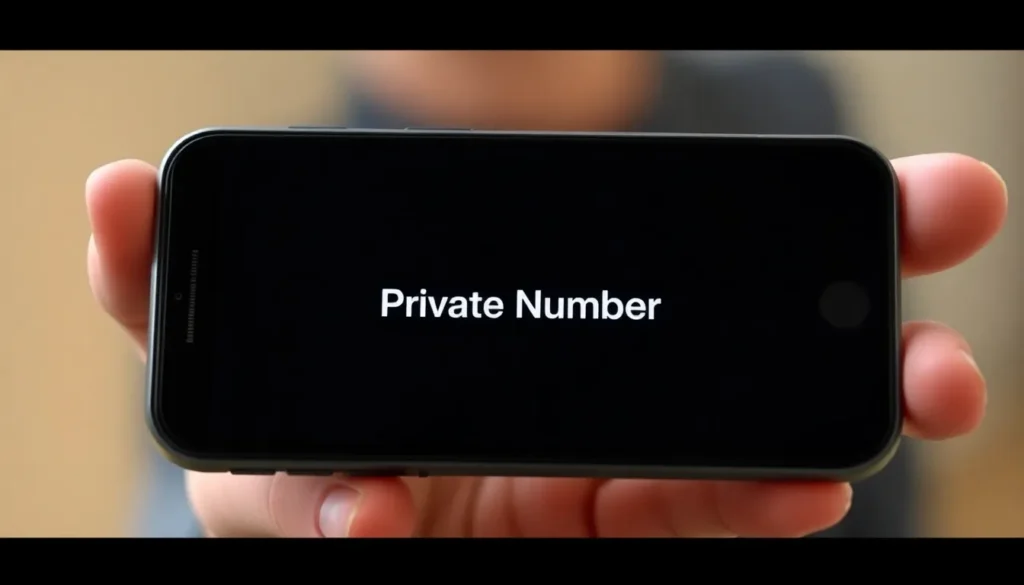
A private number refers to a telephone number that is deliberately concealed from the recipient’s caller identification (caller ID) display. When someone calls using a private number, the person receiving the call cannot see the caller’s actual phone number or may see a generic label such as “Private Number,” “Blocked,” or “Unknown.” This practice is often employed to maintain privacy, prevent identification, or avoid unwanted callbacks.
Detailed Explanation
Caller ID is a service that displays the calling party’s telephone number on the recipient’s device. However, various telecommunications systems allow the caller to block or withhold this information. When a caller chooses to hide their number, the call is said to originate from a private number. This can be achieved either on a per-call basis by entering special codes before dialing or by configuring settings at the phone service provider level.
Private numbers are utilized in numerous contexts, including personal privacy, business confidentiality, telemarketing, and emergency services. However, the use of private numbers can also be associated with misuse, such as anonymous harassment or fraudulent calls.
How It Works
To make a call from a private number, callers typically use one of the following methods:
- Per-Call Blocking: Dialing a specific code (e.g., *67 in North America) before the telephone number to prevent the caller ID from being transmitted for that call only.
- Permanent Blocking: Requesting the telephone service provider to configure the line to withhold the caller ID on all outgoing calls automatically.
When the call reaches the recipient’s phone system, the caller ID information is either suppressed or replaced with a placeholder message. Recipients usually see notifications such as “Private Number,” “Blocked,” “Unknown,” or “No Caller ID.”
Examples
- John wants to call a business without revealing his personal number, so he dials *67 before the number, resulting in a private number display on the recipient’s phone.
- A company configures its customer service hotline to send calls with a private number to prevent customers from returning calls to individual agents.
- Emergency services may use private numbers when calling citizens to protect the identity of the caller or the operation.
Why It Matters
Private numbers play a significant role in protecting the privacy of callers. They are important for individuals who do not want their phone number to be widely known, such as professionals who wish to keep business and personal communications separate. Private numbers also allow organizations to communicate securely without exposing direct contact details.
On the other hand, the anonymity provided by private numbers can complicate efforts to trace calls or identify callers in cases of harassment, scams, or fraud. Therefore, many jurisdictions regulate the use of private numbers to balance privacy rights with security concerns.
Common Misconceptions
Misconception: Private numbers mean the caller is necessarily trying to hide malicious intent.
Correction: Many legitimate users employ private numbers simply to protect their privacy without any harmful intentions.
Misconception: Calls from private numbers cannot be traced.
Correction: Although the number is hidden from the recipient, law enforcement and telecommunications providers can trace private number calls when necessary, subject to legal processes.
Pros and Cons
Pros:
- Protects caller privacy by hiding the phone number.
- Prevents unwanted return calls or contact.
- Useful for confidential or sensitive communications.
Cons:
- May cause recipients to ignore or reject calls from private numbers.
- Can be misused for anonymous harassment or fraudulent activities.
- Limits the ability to identify or trace the caller by the recipient.
Comparison Table
| Aspect | Private Number | Caller ID |
|---|---|---|
| Meaning | Phone number withheld or blocked from display | Phone number visible to recipient |
| Usage | Privacy, confidentiality, anonymous calls | Normal communication with identification |
| Traceability | Hidden from recipient but traceable by providers/law enforcement | Visible and easily traceable |
| Recipient Reaction | May distrust or ignore the call | Typically answered as number is known |
Decision Checklist
What is the easiest way to understand Private Number?
A private number is simply a phone number that does not show up on the recipient’s caller ID display, meaning the person receiving the call cannot see who is calling. It is like making a phone call anonymously or keeping your number hidden during that call.
FAQ
Can calls from private numbers be traced?
Yes, while private numbers are hidden from the recipient's caller ID, telecommunications providers and law enforcement agencies can trace these calls when necessary, usually through legal procedures.
How do I make a call appear as a private number?
You can make a call appear as a private number by dialing a specific blocking code (such as *67 in North America) before the phone number or by requesting your phone service provider to permanently block your caller ID.
Why do some people use private numbers?
People use private numbers to protect their privacy, prevent return calls, maintain confidentiality, or for security reasons during sensitive communications.





Leave a Reply