
Short Answer
Overview
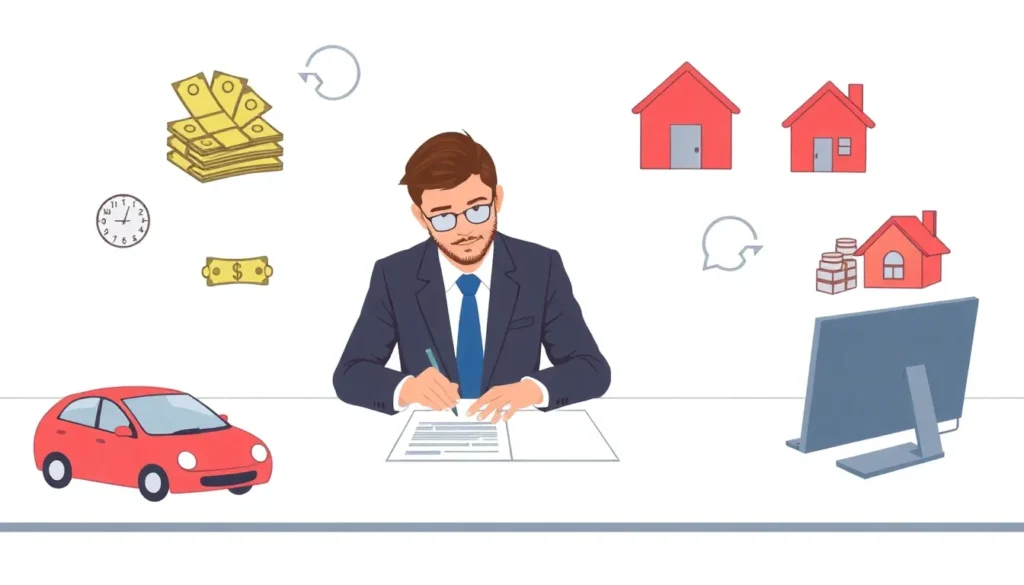
A consumer loan is a financial product that allows an individual to borrow money for personal use, rather than for business or commercial purposes. These loans are typically provided by banks, credit unions, or other financial institutions and are structured to be repaid over a predetermined period with interest. Consumer loans help individuals finance various personal expenses such as purchasing goods, covering medical bills, or consolidating debt.
Detailed Explanation
Consumer loans can be secured or unsecured. Secured loans are backed by collateral, such as a vehicle or property, which the lender can claim if the borrower fails to repay the loan. Unsecured loans do not require collateral but generally have higher interest rates due to increased risk for the lender. The loan amount, interest rate, repayment schedule, and loan term are agreed upon before disbursal. Interest rates may be fixed or variable depending on the loan agreement.
Common forms of consumer loans include personal loans, auto loans, student loans, and credit card debt. The terms and conditions vary widely based on the lender, borrower’s creditworthiness, and regulatory environment.
How It Works
To obtain a consumer loan, an individual typically applies through a financial institution, providing personal financial information and sometimes documentation of income or credit history. The lender assesses the borrower’s credit risk and determines loan eligibility and terms. Upon approval, the loan amount is disbursed either directly to the borrower or to the vendor (in case of a purchase).
Borrowers repay the loan in installments over the loan term, which includes principal and interest. Failure to meet repayment obligations can result in penalties, increased interest, or damage to credit scores. In secured loans, failure to repay may lead to repossession of the collateral.
Examples
- Personal Loan: A fixed sum lent to an individual for general personal use, such as home renovation or debt consolidation.
- Auto Loan: A loan specifically used to purchase a vehicle, often secured by the vehicle itself.
- Student Loan: A loan designed to cover educational expenses, typically with deferred repayment options during schooling.
Pros and Cons
Pros:
- Provides access to funds for immediate personal needs or purchases.
- Fixed repayment schedules can assist with budgeting.
- Can help build credit history if managed responsibly.
Cons:
- Interest costs increase the overall amount repaid.
- Risk of debt accumulation if not managed well.
- Secured loans carry the risk of asset loss upon default.
Comparison Table
| Aspect | Consumer Loan | Mortgage Loan |
|---|---|---|
| Meaning | Loan for personal, non-business expenses. | Loan specifically for purchasing real estate. |
| Collateral | May be secured (e.g., car) or unsecured. | Secured by the property being purchased. |
| Loan Term | Typically short to medium-term (months to a few years). | Long-term, often 15-30 years. |
| Interest Rates | Usually higher due to higher risk. | Generally lower due to collateral security. |
Decision Checklist
- Use this if: You need funds for personal expenses like buying a car, covering education costs, or consolidating debt.
- Avoid this if: You are unable to commit to regular repayments or lack a clear plan to repay the loan.
- Check this first: Your credit score, loan terms, interest rates, and total repayment cost.
What is the easiest way to understand Consumer Loans?
A consumer loan is essentially money borrowed from a lender to fulfill personal needs, which must be paid back with added interest over time. Think of it as a financial tool that helps individuals make purchases or cover expenses without having to pay the full amount upfront.
FAQ
What is the difference between a consumer loan and a mortgage?
A consumer loan is typically used for personal expenses and may be unsecured or secured by assets other than real estate, whereas a mortgage is a specific type of secured loan used to purchase real estate, with the property itself serving as collateral.
Can I get a consumer loan with bad credit?
Obtaining a consumer loan with poor credit can be challenging, and if approved, it may come with higher interest rates or require collateral. Some lenders specialize in loans for individuals with lower credit scores, but terms are generally less favorable.
Are consumer loans always repaid in monthly installments?
Most consumer loans are structured with regular monthly payments that include principal and interest. However, the exact repayment schedule can vary depending on the lender and loan agreement.






Leave a Reply