
Short Answer
Overview
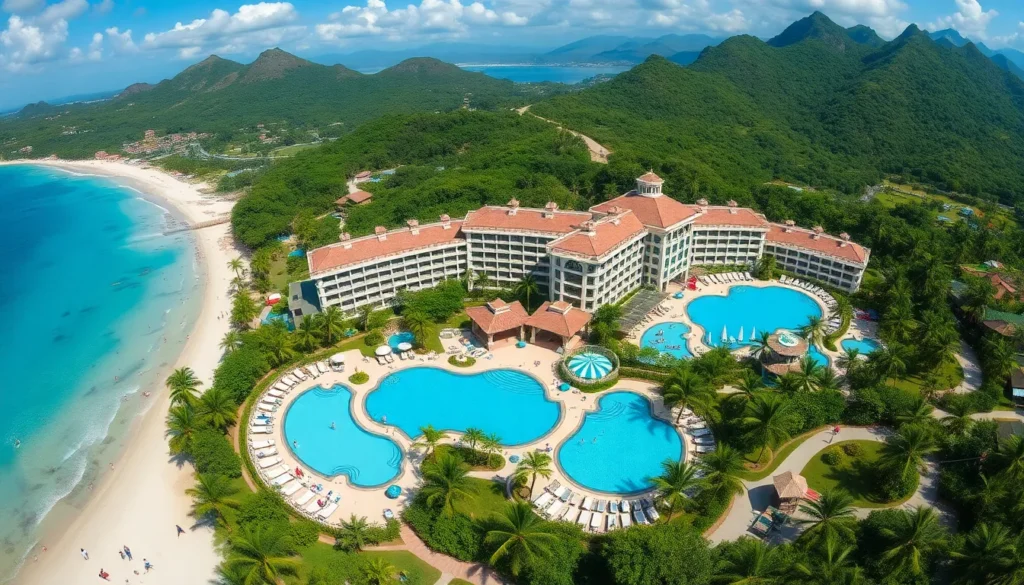
A destination resort is a full-service resort that is designed to provide guests with a wide variety of recreational activities, amenities, and accommodations within a single location. Unlike resorts that primarily serve as a base for exploring nearby attractions, destination resorts aim to be the main focus of a visitor’s vacation by offering extensive facilities such as hotels, restaurants, sports, entertainment, and wellness services. These resorts typically attract guests who intend to spend the majority of their holiday on-site.
Detailed Explanation
Destination resorts are often located in areas of natural beauty or unique geographic interest, such as beaches, mountains, or islands, but they may also be situated near urban centers. The defining characteristic of a destination resort is its self-contained nature, providing all necessary services and activities to meet guests’ needs without requiring them to leave the property. This can include various forms of dining, shopping, nightlife, cultural experiences, and recreational opportunities such as golf courses, ski slopes, spas, or water parks.
The concept of a destination resort is closely linked to the idea of a “resort community” where guests can relax, play, and socialize. Some destination resorts are built to accommodate large numbers of visitors and may include conference facilities or family-friendly environments. The scale and scope of destination resorts vary widely, from boutique resorts focused on wellness to expansive complexes with multiple hotels and entertainment venues.
How It Works
Destination resorts operate by offering a comprehensive package of services that cater to various interests and demographics. Guests typically book accommodations, and upon arrival, have access to on-site dining, recreational activities, and entertainment without the need to travel elsewhere. This convenience is a key selling point, especially for travelers seeking a stress-free vacation experience.
These resorts often employ a range of service professionals including hospitality staff, activity coordinators, chefs, and entertainment personnel to ensure a seamless guest experience. Marketing strategies for destination resorts emphasize the breadth of amenities and the quality of experiences available, often targeting families, couples, and business travelers alike.
Examples
- Disney’s Grand Floridian Resort & Spa in Florida, USA: A luxury destination resort offering extensive amenities, including themed dining, spa services, and proximity to Disney theme parks.
- The Atlantis Paradise Island in the Bahamas: A large-scale resort featuring water parks, marine habitats, casinos, and multiple accommodation options.
- Whistler Blackcomb in Canada: A mountain resort that provides ski facilities, hiking, dining, and entertainment all within the resort complex.
Why It Matters
Destination resorts play a significant role in the tourism industry by attracting travelers who seek convenience and variety in one location. They contribute to local economies through employment and tourism revenue. Additionally, they influence travel behavior by encouraging longer stays and increased spending within the resort area.
Common Misconceptions
Misconception: Destination resorts are only located at beach locations.
Correction: While many destination resorts are situated on beaches, they can also be found in mountains, urban areas, or other natural settings.
Misconception: A destination resort is the same as a hotel.
Correction: Unlike hotels, destination resorts typically offer a wide range of on-site amenities and activities designed to keep guests entertained without leaving the property.
Pros and Cons
Pros: Convenience of having accommodations, dining, and entertainment in one place; wide variety of activities; suitable for diverse types of travelers; can provide a safe and controlled environment.
Cons: Can be expensive compared to other accommodation options; may limit exploration of the surrounding area; some resorts may feel artificial or overly commercialized.
Comparison Table
| Aspect | Destination Resort | Traditional Hotel |
|---|---|---|
| Meaning | A self-contained vacation complex with extensive amenities and recreational options. | Accommodation primarily focused on lodging with limited on-site amenities. |
| Primary Purpose | To provide a comprehensive vacation experience on-site. | To provide a place to stay while visiting a location. |
| Typical Location | Often in scenic or tourist-centric areas. | Varies widely, including urban and suburban areas. |
| Amenities | Multiple restaurants, entertainment, sports, wellness facilities. | Basic amenities, sometimes a restaurant or fitness center. |
Decision Checklist
What is the easiest way to understand Destination Resorts?
Think of a destination resort as a self-sufficient holiday village where guests can live, play, eat, and relax without needing to leave the property, unlike traditional hotels that mainly provide lodging.
FAQ
What distinguishes a destination resort from a regular hotel?
A destination resort offers a wide range of amenities and activities on-site, encouraging guests to spend most or all of their vacation within the resort, whereas regular hotels primarily provide accommodation with limited additional services.
Are destination resorts always located in tropical areas?
No, destination resorts can be located in various environments including mountainous regions, urban areas, and islands, not exclusively tropical locations.
Can destination resorts be suitable for business travelers?
Yes, many destination resorts include conference and meeting facilities, making them suitable for business events and corporate retreats in addition to leisure travel.




Leave a Reply