
Short Answer
Overview
A grease trap is a plumbing device installed in wastewater drainage systems to capture fats, oils, and grease (collectively referred to as FOG) before they enter public sewer systems. These substances can cause blockages, environmental pollution, and costly maintenance issues if allowed to accumulate inside sewage pipes. Grease traps are commonly used in commercial kitchens, restaurants, and food processing facilities, though smaller versions may be found in residential settings.
Detailed Explanation
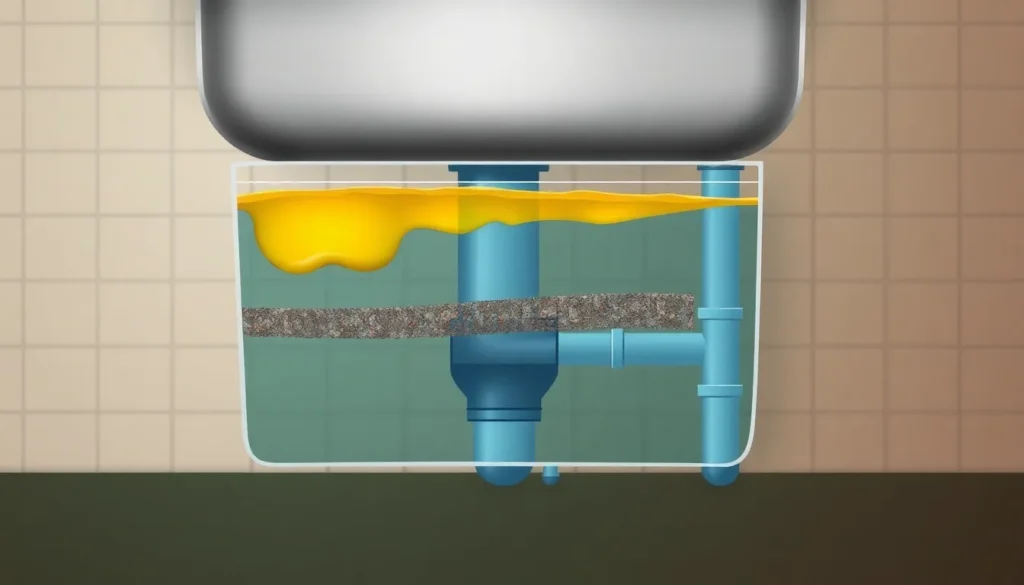
Grease traps operate by slowing down the flow of wastewater, allowing FOG to cool and solidify. Because grease is less dense than water, it rises to the surface and is separated from the liquid waste. The remaining wastewater then continues on through the plumbing system to wastewater treatment plants or municipal sewers. Grease traps can be constructed from a variety of materials including stainless steel, plastic, or concrete, and come in various sizes depending on the volume of wastewater to be treated.
How It Works
When wastewater containing fats, oils, and grease enters the trap, the flow rate is reduced within a contained chamber. This reduced velocity causes the heavier solids to settle at the bottom, while the lighter grease floats to the top, creating a distinct layer. A baffle or series of baffles inside the trap help retain the grease layer while allowing the cleaner water to exit through an outlet pipe. Regular maintenance involves removing accumulated grease and solids to maintain the trap’s efficiency.
Examples
- In a restaurant kitchen, a grease trap is typically installed under the sink or near the dishwashing station to capture cooking oils and food residues.
- Food processing plants use larger industrial grease traps to handle higher volumes of wastewater containing animal fats or vegetable oils.
- Residential grease traps may be installed in homes with septic systems to prevent fats from clogging septic tanks and drain fields.
Why It Matters
Proper use of grease traps is essential for protecting municipal sewer infrastructure from blockages and damage caused by accumulated grease. Blockages can lead to sewer backups, overflows, and environmental contamination. By intercepting FOG at the source, grease traps help reduce maintenance costs, extend the lifespan of sewer systems, and support environmental sustainability by preventing pollution.
Common Misconceptions
Misconception: Grease traps eliminate all fats, oils, and grease from wastewater.
Correction: Grease traps significantly reduce FOG but do not remove it entirely; regular maintenance is necessary to maintain effectiveness.
Misconception: Grease traps require no maintenance once installed.
Correction: Grease traps must be cleaned regularly to prevent overflow, foul odors, and reduced efficiency.
Pros and Cons
Pros: Helps prevent sewer blockages, reduces environmental contamination, prolongs sewer infrastructure life, and is often mandated by local regulations.
Cons: Requires regular cleaning and maintenance, initial installation cost can be significant, and improper use or neglect can lead to system failures.
Comparison Table
| Aspect | Grease Trap | Septic Tank |
|---|---|---|
| Meaning | A device that intercepts fats, oils, and grease from wastewater. | A tank that collects and partially treats all household wastewater including solids, oils, and grease. |
| Primary Function | Separates and retains FOG to prevent sewer blockages. | Treats wastewater by settling solids and allowing liquid to disperse into soil. |
| Typical Location | Commercial kitchens, restaurants, food processing plants. | Residential or rural properties without municipal sewer access. |
| Maintenance | Requires frequent cleaning to remove accumulated grease. | Requires periodic pumping to remove sludge and scum. |
Decision Checklist
What is the easiest way to understand a Grease Trap?
The simplest way to understand a grease trap is to think of it as a filter that catches grease and oil floating on the surface of water before the water goes down the drain. This prevents grease from hardening inside pipes and causing blockages in the sewer system.
FAQ
How often should a grease trap be cleaned?
Grease traps should be cleaned regularly, typically every 1 to 3 months, depending on usage and local regulations, to prevent overflow and maintain efficiency.
Can a grease trap be installed in any kitchen?
While grease traps are common in commercial kitchens, their installation depends on local plumbing codes, the volume of FOG generated, and space availability.
What happens if a grease trap is not maintained?
Neglecting grease trap maintenance can lead to blockages, foul odors, backups in plumbing systems, and environmental contamination, potentially resulting in costly repairs and fines.






Leave a Reply