
Short Answer
Overview
A green funeral refers to a method of burial that emphasizes sustainability and environmental responsibility. It is characterized by practices that reduce the ecological footprint typically associated with traditional funerals, such as the use of biodegradable coffins, avoidance of toxic embalming fluids, and selection of natural burial grounds. The concept aims to return the body to the earth in a manner that supports ecological balance.
Detailed Explanation
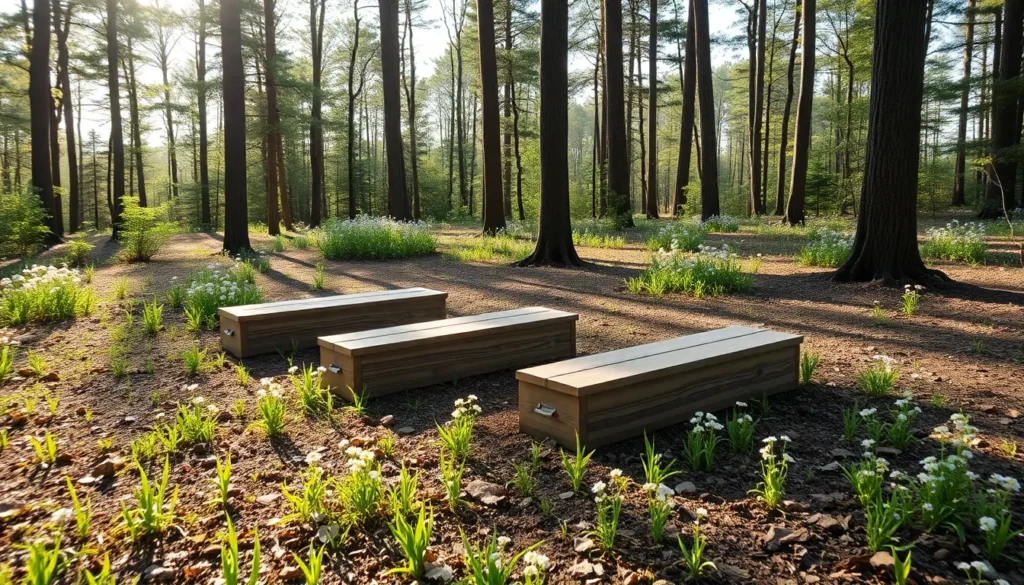
Traditional funerals often involve processes and materials that can be harmful to the environment, including embalming fluids containing formaldehyde, metal caskets, and concrete vaults. Green funerals seek to minimize or eliminate these elements. Instead, they prioritize natural decomposition and the use of materials like untreated wood, wicker, or cardboard for coffins. Green burial sites are often located in natural settings such as forests or meadows, where graves are marked with natural stones or native plants rather than conventional headstones.
In addition to burial, green funerals may also incorporate cremation alternatives such as alkaline hydrolysis (resomation), which uses water and alkali to decompose the body with less environmental impact compared to traditional cremation.
How It Works
Green funerals generally follow several key principles. First, the body is not embalmed, or if embalming is necessary, non-toxic, biodegradable fluids are used. Second, the coffin or shroud is made from materials that will decompose naturally without leaving harmful residues. Third, burial occurs in a designated natural or conservation cemetery that avoids disrupting the local ecosystem.
These cemeteries often manage the land for ecological preservation, sometimes incorporating native vegetation and avoiding manicured lawns. Grave markers, if used, are designed to blend with the natural environment. The entire process is intended to facilitate natural decomposition and nutrient cycling, ultimately benefiting the surrounding ecosystem.
Examples
- Natural Burial Grounds: Cemeteries established specifically for green burials, often located in rural or forested areas, such as the Green Burial Council-certified sites in the United States.
- Biodegradable Coffins: Use of coffins made from materials like bamboo, willow, or cardboard that break down quickly and safely in soil.
- Alkaline Hydrolysis: A water-based alternative to cremation that reduces carbon emissions and avoids the release of mercury and other pollutants.
Pros and Cons
Pros:
- Reduced environmental impact through avoidance of toxic chemicals and non-biodegradable materials.
- Supports natural ecosystems and conservation efforts when conducted in appropriate locations.
- Often less expensive than traditional funerals due to simpler materials and processes.
Cons:
- Limited availability of certified green burial sites in some regions.
- May not align with all cultural or religious traditions.
- Some green burial options may have legal restrictions depending on local laws.
Comparison Table
| Aspect | Green Funeral | Traditional Funeral |
|---|---|---|
| Meaning | Environmentally sustainable burial or cremation methods | Conventional burial or cremation often involving embalming and non-biodegradable materials |
| Materials Used | Biodegradable coffins, natural shrouds | Metal or hardwood caskets, concrete vaults |
| Embalming | Not used or uses non-toxic fluids | Commonly uses formaldehyde-based embalming fluids |
| Site | Natural burial grounds, conservation cemeteries | Traditional cemeteries with manicured lawns |
| Environmental Impact | Low, promotes natural decomposition | Higher, due to chemicals and materials used |
Decision Checklist
- Use this if: You want to minimize ecological impact and support natural land conservation.
- Avoid this if: You require specific cultural or religious funeral rites incompatible with green practices.
- Check this first: Availability of green burial sites and local regulations regarding burial and cremation practices.
What is the easiest way to understand a Green Funeral?
A green funeral is simply a burial or memorial process designed to be as natural and environmentally friendly as possible, avoiding harmful chemicals and materials while supporting the earth’s natural ecosystems.
FAQ
What materials are used in a green funeral?
Green funerals typically use biodegradable materials such as untreated wood, wicker, bamboo, or cardboard for coffins and shrouds to ensure natural decomposition.
Are green funerals legal everywhere?
Laws regarding green funerals vary by jurisdiction. It is important to check local regulations and cemetery policies before arranging a green burial.
How does a green funeral impact the environment?
Green funerals reduce environmental impact by avoiding toxic embalming chemicals, using biodegradable materials, and promoting natural decomposition, which supports ecosystem health.
Leave a Reply