
Short Answer
Overview
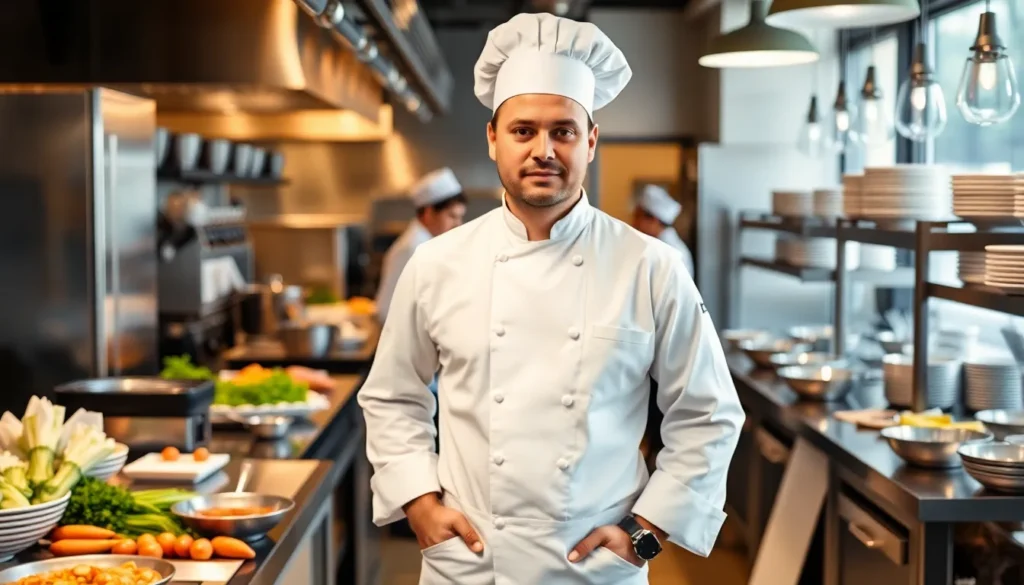
A chef de cuisine, often referred to simply as the head chef or executive chef, is the professional responsible for overseeing all aspects of a kitchen’s operation in a restaurant or other food service establishment. This role encompasses the management of kitchen staff, the design and implementation of menus, maintenance of food quality standards, and ensuring adherence to health and safety regulations. The chef de cuisine is pivotal in shaping the culinary direction and operational efficiency of the kitchen.
Detailed Explanation
The term “chef de cuisine” originates from French culinary tradition, translating literally to “chief of the kitchen.” This position is commonly considered the highest-ranking chef in the kitchen hierarchy. Responsibilities include not only cooking and recipe development but also administrative tasks such as budgeting, inventory control, and staff training. While the chef de cuisine may delegate specific cooking tasks to sous chefs and other kitchen personnel, they maintain ultimate accountability for the kitchen’s output and reputation.
The chef de cuisine typically possesses extensive culinary experience and formal training, often having progressed through various kitchen roles. Their leadership skills are as important as their cooking expertise, as they must coordinate a team under pressure, maintain morale, and ensure consistent quality and presentation of dishes.
How It Works
In practice, the chef de cuisine starts their day by planning the menu and assessing inventory to determine ingredient needs. They communicate with suppliers and kitchen staff to ensure timely procurement of fresh ingredients. During service, they supervise food preparation, plating, and presentation, making final decisions on quality control.
The chef de cuisine also manages scheduling and performance evaluations for kitchen staff. They may be involved in training new cooks and implementing new cooking techniques or recipes. Compliance with food safety standards and hygiene regulations falls under their purview, often requiring coordination with health inspectors and adherence to legal requirements.
Examples
- Classic French Restaurants: In traditional French kitchens, the chef de cuisine is responsible for maintaining culinary heritage while innovating new dishes aligned with the restaurant’s concept.
- High-End Hotels: The chef de cuisine oversees multiple kitchens within the hotel, coordinating diverse menus for various dining venues and special events.
- Modern Gastronomy Establishments: Here, the chef de cuisine often leads a team focused on experimental cuisine, combining culinary artistry with scientific techniques.
Pros and Cons
- Pros: The role offers creative control, leadership opportunities, and the ability to influence culinary trends and customer experience.
- Cons: The position involves long hours, high stress, and significant responsibility for kitchen operations and staff management.
Comparison Table
| Aspect | Chef De Cuisine | Executive Chef |
|---|---|---|
| Meaning | Head chef responsible for kitchen operations and menu creation | Often synonymous with chef de cuisine but may focus more on administrative duties |
| Primary Responsibilities | Menu planning, cooking, staff management, quality control | Overseeing kitchen operations, budgeting, staff hiring |
| Typical Setting | Restaurants, hotels, culinary institutions | Hotels, large restaurant groups, corporate kitchens |
Decision Checklist
- Use this if: You are looking to understand the leadership role in professional kitchens.
- Avoid this if: You need information about specific cooking techniques rather than kitchen management.
- Check this first: Whether the term is used interchangeably with executive chef in your region, as titles may vary.
What is the easiest way to understand Chef De Cuisine?
The easiest way to understand a chef de cuisine is as the chief professional in charge of a kitchen’s entire operation, combining culinary skill with management responsibilities to ensure the smooth functioning and high culinary standards of an establishment.
FAQ
Is a chef de cuisine the same as an executive chef?
In many contexts, the terms chef de cuisine and executive chef are used interchangeably to denote the head chef responsible for the kitchen's overall management. However, in some establishments, the executive chef may hold a more administrative role, while the chef de cuisine focuses on culinary techniques and kitchen operations.
What qualifications does a chef de cuisine typically have?
A chef de cuisine usually has formal culinary education combined with extensive professional experience. Many progress through roles such as line cook and sous chef before reaching this position, developing both culinary skills and leadership abilities.
What are the main challenges faced by a chef de cuisine?
Challenges include managing a diverse kitchen staff, maintaining high food quality under pressure, handling operational logistics, and balancing creativity with budget constraints and customer preferences.




Leave a Reply