
Short Answer
Overview
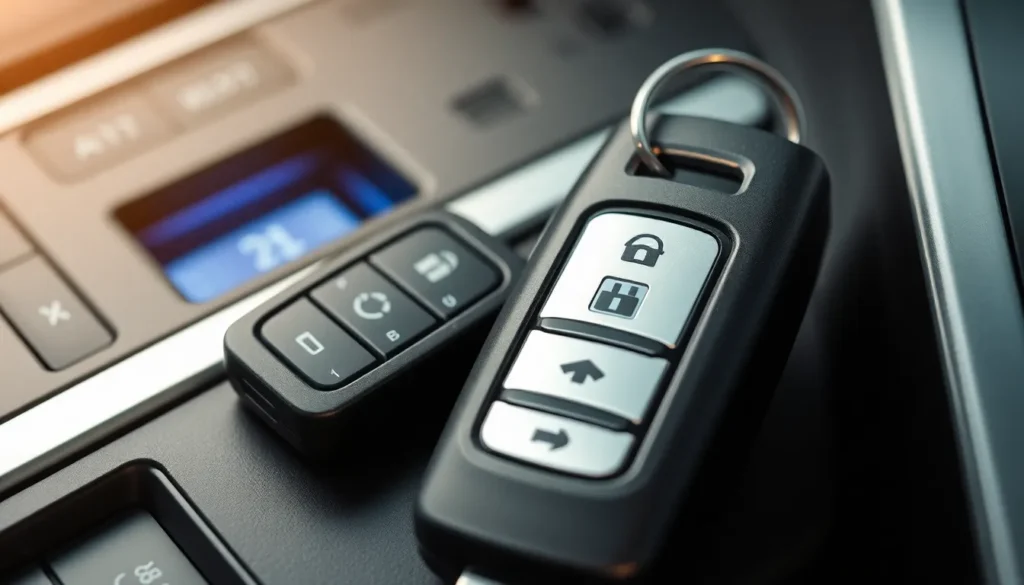
A transponder key is a specialized automotive key equipped with an embedded electronic chip, or transponder, that interacts with a vehicle’s security system. Primarily designed to prevent unauthorized starting of the engine, transponder keys offer an additional layer of theft deterrence beyond traditional mechanical keys. The technology first emerged in the 1990s and has since become a standard feature in many modern vehicles worldwide.
Detailed Explanation
Unlike conventional car keys that operate purely through mechanical action, a transponder key contains a small radio frequency identification (RFID) chip. This chip stores a unique electronic code that corresponds to the vehicle’s immobilizer system. When the key is inserted into the ignition or brought near a designated sensor, the vehicle sends out a signal to the transponder chip. Upon receiving this signal, the chip responds by transmitting its unique code back to the vehicle’s computer system.
If the code matches the pre-programmed code stored in the vehicle’s immobilizer system, the engine control unit (ECU) allows the engine to start. If the code does not match or is absent, the immobilizer prevents the engine from turning over, thereby reducing the risk of theft.
How It Works
The transponder key system operates through wireless communication between the key’s chip and the vehicle’s immobilizer. The process involves several steps:
- Signal Transmission: When the ignition is turned or the key is near the sensor, the vehicle emits a low-frequency radio signal.
- Chip Activation: The transponder chip in the key receives this signal and is powered by it to send a response.
- Code Transmission: The chip transmits its unique identification code back to the vehicle’s immobilizer system.
- Verification: The vehicle’s immobilizer compares the received code with its stored authorized codes.
- Engine Enablement: If the codes match, the immobilizer allows the engine to start; if not, it disables engine ignition.
This interaction happens within milliseconds and is seamless to the user during normal vehicle operation.
Examples
- Standard Transponder Key: Commonly found in many mid-range vehicles, these keys look much like traditional keys but contain the embedded chip inside the plastic head.
- Key Fob with Transponder: Combines remote locking/unlocking functions with a transponder chip for engine immobilization. These are frequently used in modern cars with push-button starts.
- Smart Keys: Advanced versions of transponder keys that allow keyless entry and ignition, communicating with the vehicle using encrypted signals.
Why It Matters
Transponder keys significantly improve automotive security by making it more difficult for unauthorized individuals to start a vehicle without the correct key. This technology has contributed to a decline in car theft rates and is an important component in modern vehicle anti-theft systems. Additionally, transponder keys reduce the risk of car theft through methods such as hot-wiring, as the immobilizer system will prevent engine startup without the correct electronic code.
Common Misconceptions
Misconception: A transponder key is simply a key with a chip that can be copied like a traditional key.
Correction: The electronic code in a transponder key is uniquely programmed and cannot be duplicated by simple mechanical key cutting; specialized programming equipment is required.
Misconception: If a transponder key is lost, any locksmith can easily create a replacement.
Correction: Replacing or programming a transponder key typically requires access to the vehicle’s immobilizer system and specialized diagnostic tools, often necessitating dealership or certified locksmith intervention.
Pros and Cons
Comparison Table
| Aspect | Transponder Key | Traditional Mechanical Key |
|---|---|---|
| Meaning | Key with embedded electronic chip communicating with vehicle immobilizer | Key operating purely through mechanical interaction with lock |
| Security Level | High; electronic authentication required | Low; mechanical lock can be picked or duplicated |
| Replacement Cost | Higher, requires programming equipment | Lower, can be copied easily |
| Compatibility | Compatible only with vehicles equipped with immobilizers | Universal for mechanical locks |
Decision Checklist
- Use this if: You require enhanced vehicle security and theft deterrence.
- Avoid this if: You have an older vehicle without an immobilizer system or want a low-cost key option.
- Check this first: Confirm your vehicle has an immobilizer system before purchasing or replacing a transponder key.
What is the easiest way to understand a Transponder Key?
The simplest way to understand a transponder key is to think of it as a traditional car key combined with a small electronic device that sends a secret code to the car’s computer. Only when the correct code is received will the vehicle allow the engine to start, making it a key that not only fits mechanically but also electronically.
FAQ
Can a transponder key be duplicated easily?
No, duplicating a transponder key requires specialized programming equipment and access to the vehicle's immobilizer system, making it more difficult than copying a traditional mechanical key.
What happens if the transponder key battery dies?
Most transponder keys do not require a battery as the chip is powered by the signal from the vehicle. However, if integrated with remote functions, the remote part may need a battery replacement.
Can I start my car without the transponder key?
No, without the correct transponder key transmitting the authorized code, the vehicle's immobilizer will prevent the engine from starting.


Leave a Reply