
Short Answer
Overview
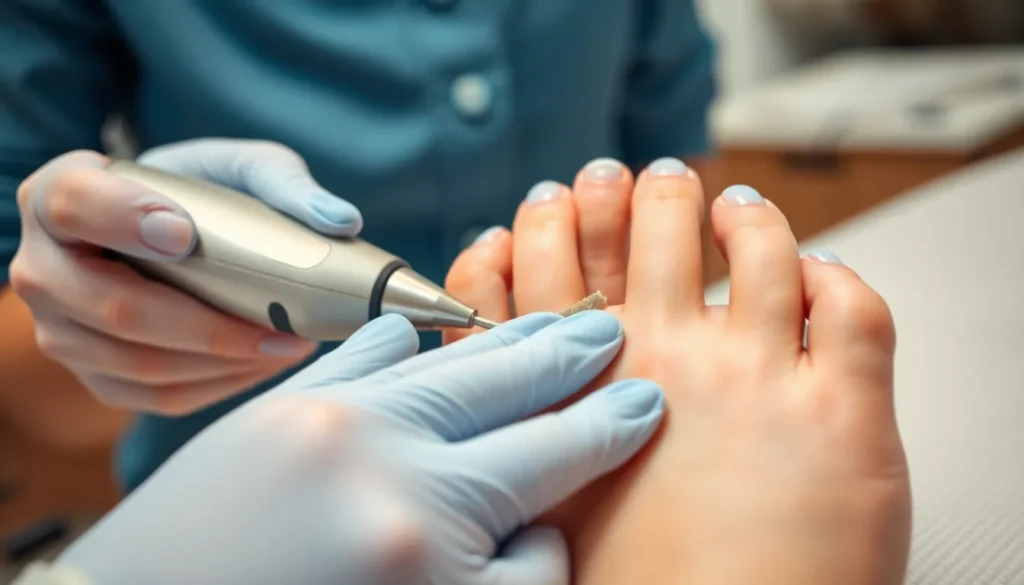
A Russian pedicure is a specialized method of foot and nail care originating from Russia, characterized by the use of advanced tools and precise techniques to thoroughly clean and shape toenails. Unlike traditional pedicures that primarily use manual tools like files and clippers, the Russian pedicure often employs electric devices such as e-files to meticulously remove dead skin, cuticles, and calluses. The approach emphasizes detail-oriented grooming, particularly in cuticle removal, to achieve a smooth, polished appearance and longer-lasting results.
Detailed Explanation
The Russian pedicure technique involves several distinct steps that differ from conventional pedicure methods. It includes the use of specialized electric machines fitted with various bits designed for cuticle removal, skin exfoliation, and nail surface smoothing. This method allows for a deeper clean around the nail bed and cuticle area, which is believed to promote healthier nails and a more refined finish. The process may also include shaping the nails into specific styles favored in Russian nail art, such as sharp squares or stiletto shapes.
The technique requires significant skill and training to avoid damage to the nail or surrounding skin, as the electric tools operate at high speeds. This pedicure is often preferred by those who want a highly polished, durable nail finish with precise cuticle and skin care.
How It Works
The process of a Russian pedicure typically begins with soaking the feet to soften the skin and nails. Following this, the technician uses an electric file (e-file) equipped with various bits to gently remove the cuticles, dead skin, and calluses. The e-file allows for precise control and access to areas that are difficult to reach with manual tools.
After the cuticle and skin preparation, the nails are shaped and buffed to smooth the surface. The technician may then apply nail polish, gel polish, or other nail enhancements, often finishing with a high-gloss top coat. The thorough cleaning and preparation help the polish adhere better and last longer compared to traditional pedicure techniques.
Examples
- Classic Russian Pedicure: Focuses on cuticle removal using an e-file, shaping the nails with precision, and applying a gel polish finish.
- Russian Pedicure with Nail Art: Includes the standard Russian pedicure procedure followed by the application of intricate nail art designs, often popular in Russian beauty salons.
- Medical Russian Pedicure: Combines the aesthetic procedures with medical foot care, addressing conditions like thick nails or calluses while maintaining the detailed grooming technique.
Pros and Cons
Pros:
- Highly detailed and precise cuticle removal leading to a cleaner nail bed.
- Long-lasting polish application due to thorough surface preparation.
- Enhanced nail shaping options, offering a polished and refined appearance.
- Improved exfoliation and removal of calluses and dead skin.
Cons:
- Requires skilled technicians to avoid damage to nails and skin.
- Use of electric tools may be intimidating or uncomfortable for some clients.
- Typically more time-consuming and potentially more expensive than traditional pedicures.
- Not suitable for individuals with certain foot or nail conditions without medical supervision.
Comparison Table
| Aspect | Russian Pedicure | Traditional Pedicure |
|---|---|---|
| Meaning | Advanced foot care using electric tools for detailed cuticle and nail cleaning. | Basic foot care involving manual filing, clipping, and skin removal. |
| Tools Used | Electric e-files, specialized bits, gel polish. | Manual files, clippers, pumice stones. |
| Cuticle Removal | Meticulous and often complete removal using e-files. | Partial or manual removal using cuticle pushers and nippers. |
| Duration | Longer, typically 60-90 minutes. | Shorter, typically 30-60 minutes. |
| Skill Level | Requires trained professionals. | Can be performed by general nail technicians. |
Decision Checklist
- Use this if: You want a precise, long-lasting pedicure with a polished finish and detailed cuticle care.
- Avoid this if: You have sensitive skin, nail infections, or prefer a quick, low-maintenance pedicure.
- Check this first: Ensure the technician is trained in Russian pedicure techniques and that the salon maintains high hygiene standards.
What is the easiest way to understand Russian Pedicure?
The easiest way to understand a Russian pedicure is to recognize it as a more technical and precise pedicure method using electric tools to carefully remove cuticles and dead skin. It focuses on achieving a clean nail bed and durable polish application, distinguishing it from traditional pedicures that rely on manual tools and less detailed cuticle care.
FAQ
Is a Russian pedicure safe for everyone?
While generally safe when performed by trained professionals, individuals with certain skin conditions, infections, or sensitive nails should consult a healthcare provider before undergoing a Russian pedicure.
How long does a Russian pedicure last compared to a traditional pedicure?
A Russian pedicure typically lasts longer due to thorough preparation and use of gel polish, often extending wear time beyond that of traditional pedicures.
Can a Russian pedicure be done at home?
Due to the specialized equipment and skill required, it is not recommended to perform a Russian pedicure at home without proper training and tools.



Leave a Reply