
Short Answer
Overview
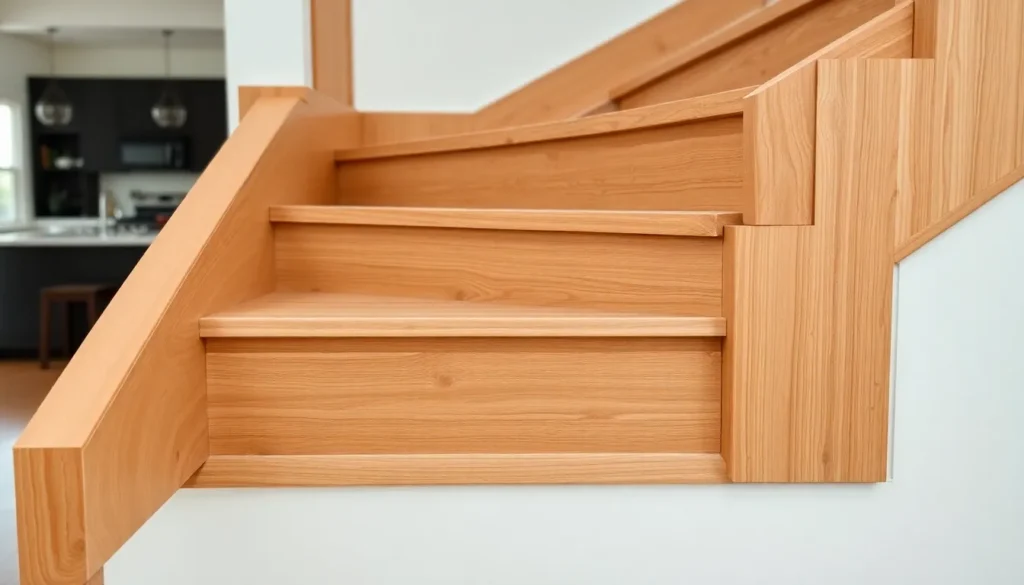
A stair riser is the vertical element found between each tread of a staircase. It is a fundamental component in stair construction, providing the height dimension for each step and contributing to the overall stability and safety of the staircase. Stair risers can be constructed from various materials such as wood, concrete, metal, or composite substances, depending on the design and purpose of the staircase.
Detailed Explanation
In architectural and construction terminology, a stair riser is the upright board or surface that connects one tread to the next, effectively creating the rise of the step. The height of the riser is a critical measurement in staircase design, as it affects the comfort and safety of stair users. Building codes often specify maximum and minimum riser heights to ensure accessibility and reduce the risk of accidents.
Risers can be closed or open. Closed risers have a solid vertical face, while open risers leave the space between treads open, contributing to a lighter, more modern appearance but possibly affecting safety and building code compliance.

How It Works
The stair riser functions to support the tread above it and transfer the load to the stringers or other structural components of the staircase. By defining the vertical distance between steps, the riser determines the steepness and ease of climbing the stairs. Properly sized risers help distribute physical effort evenly and reduce fatigue. Additionally, risers contribute to the staircase’s overall structural integrity by stabilizing the treads and preventing lateral movement.
In construction, risers are typically cut or assembled to uniform height to maintain consistency, which is important for user safety. Variations in riser height can lead to trips and falls. Additionally, risers can be finished with various materials or left exposed, depending on aesthetic preferences and functional requirements.
Examples
- A traditional wooden staircase in a residential home often features closed wooden risers painted or stained to match the treads.
- Modern staircases in commercial buildings may use metal or glass risers to create a sleek appearance while complying with safety standards.
- Exterior staircases frequently have concrete risers that withstand weather and provide durability.
Pros and Cons
- Pros: Provides structural support for treads, ensures uniform step height for safety, contributes to aesthetic design, and can be customized with different materials.
- Cons: Closed risers may restrict airflow and light, open risers may be less safe for children or pets, and improper riser height can cause discomfort or hazards.
Comparison Table
| Aspect | Stair Riser | Stair Tread |
|---|---|---|
| Meaning | Vertical component between steps defining step height | Horizontal component on which the foot is placed |
| Function | Provides vertical rise and structural support | Supports weight and provides walking surface |
| Material | Wood, metal, concrete, glass, composite | Wood, metal, concrete, carpet, tile |
| Safety Impact | Critical for step uniformity and preventing falls | Important for traction and comfort |
Decision Checklist
- Use this if you need to define the vertical height between stairs and ensure structural integrity.
- Avoid this if you are designing a floating staircase without vertical supports, though risers may still be used for safety.
- Check this first to ensure compliance with local building codes for riser height and design.
What is the easiest way to understand a Stair Riser?
The easiest way to understand a stair riser is to think of it as the vertical face you see when looking at a staircase, which connects one step to the next and determines how high each step rises. It is what you lift your foot over when climbing stairs.
FAQ
What is the standard height for a stair riser?
Standard stair riser heights typically range from 7 to 8 inches (18 to 20 cm), although local building codes may specify exact limits.
Can stair risers be open?
Yes, open risers omit the vertical face between treads, often for aesthetic reasons, but may be restricted by building codes due to safety concerns.
Why is uniform riser height important?
Uniform riser height is essential to prevent tripping hazards and ensure comfortable and safe stair navigation.




Leave a Reply