
Short Answer
Overview
A moving traffic violation is an infraction of traffic laws that occurs while a vehicle is actively being driven on a public road or highway. Unlike non-moving violations, which relate to vehicle conditions or administrative requirements, moving violations involve the driver’s conduct during vehicle operation. These violations often pertain to unsafe or illegal behaviors such as speeding, running red lights, or reckless driving.
Detailed Explanation
Moving traffic violations cover a broad range of offenses committed by drivers that potentially compromise road safety. They are usually defined by state or national traffic codes and are enforced by law enforcement officers or automated systems such as speed cameras and red-light cameras. The severity of these violations varies, with some considered minor infractions and others classified as misdemeanors or even felonies if they result in serious harm or death.
Examples of moving violations include excessive speeding, failure to yield, improper lane changes, driving under the influence (DUI), and running stop signs or traffic signals. These violations can attract penalties such as fines, points on a driving record, license suspension, increased insurance premiums, or mandatory driving courses.
How It Works
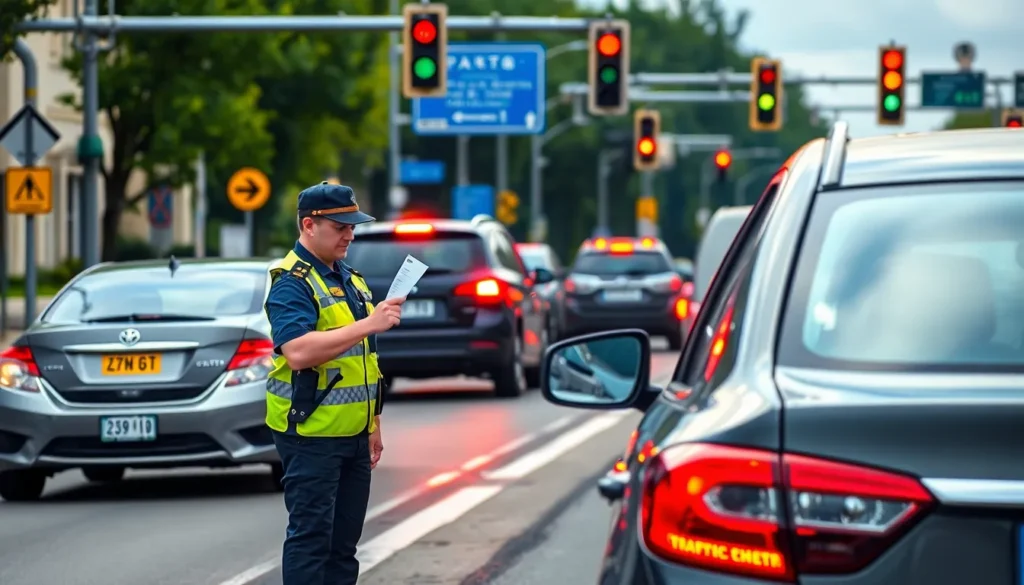
When a driver commits a moving violation, an officer may stop the vehicle or issue a citation based on observed behavior or evidence from traffic enforcement devices. The driver is then typically required to respond to the citation by paying a fine, contesting it in court, or attending traffic school, depending on jurisdiction and the nature of the offense. Accumulated points from multiple violations can lead to escalated penalties, including license suspension.
Moving violations are recorded on a driver’s record and can affect their legal and financial standing. Insurance companies often review moving violation histories to adjust premiums, reflecting perceived risk.
Examples
- Speeding: Driving faster than the posted speed limit or too fast for road conditions.
- Running a Red Light or Stop Sign: Failing to obey traffic control signals or signs at intersections.
- Reckless Driving: Operating a vehicle with willful disregard for safety, such as aggressive driving or weaving through traffic.
- Failure to Yield: Not giving the right of way to pedestrians, emergency vehicles, or other drivers when required.
- Driving Under the Influence (DUI): Operating a vehicle while impaired by alcohol or drugs.
Why It Matters
Moving traffic violations are important because they directly impact road safety for drivers, passengers, and pedestrians. Enforcement and penalties serve as deterrents to unsafe behavior and help maintain orderly traffic flow. Understanding moving violations is vital for drivers to comply with laws, avoid legal consequences, and promote safer driving practices.
Common Misconceptions
Misconception: All traffic violations are the same.
Correction: Moving violations specifically involve driver behavior while the vehicle is in motion, unlike non-moving violations which relate to vehicle condition or registration issues.
Misconception: Minor moving violations do not affect insurance.
Correction: Even minor moving violations can influence insurance rates as insurers assess risk based on driving history.
Pros and Cons
Comparison Table
| Aspect | Moving Traffic Violation | Non-Moving Traffic Violation |
|---|---|---|
| Meaning | Violation committed while the vehicle is in motion involving driver behavior. | Violation related to vehicle condition, registration, or administrative requirements. |
| Examples | Speeding, running red lights, reckless driving. | Expired registration, broken tail light, parking violations. |
| Penalties | Fines, points, license suspension, increased insurance. | Fines, vehicle impoundment, administrative fees. |
| Impact on Insurance | Typically increases premiums due to risk assessment. | Generally minimal or no impact on insurance premiums. |
Decision Checklist
- Use this if: You want to understand the consequences of unsafe driving behaviors and how they are regulated.
- Avoid this if: You are interested in vehicle registration or equipment-related infractions instead.
- Check this first: Your local traffic laws to understand specific definitions and penalties related to moving violations.
What is the easiest way to understand Moving Traffic Violation?
The easiest way to understand a moving traffic violation is to think of it as any illegal action a driver commits while actively driving a vehicle on public roads, such as speeding or ignoring traffic signals. These violations are primarily concerned with how a vehicle is operated rather than vehicle maintenance or administrative compliance.
FAQ
What distinguishes a moving traffic violation from other types?
A moving traffic violation occurs while the vehicle is in motion and involves driver conduct, whereas other violations may involve vehicle condition or administrative matters.
Do moving traffic violations affect insurance rates?
Yes, moving traffic violations often lead to higher insurance premiums because insurers view these violations as indicators of increased risk.
Can moving traffic violations lead to license suspension?
Yes, accumulating enough points from moving violations or committing serious offenses can result in temporary or permanent suspension of a driver's license.





Leave a Reply