
Short Answer
Overview
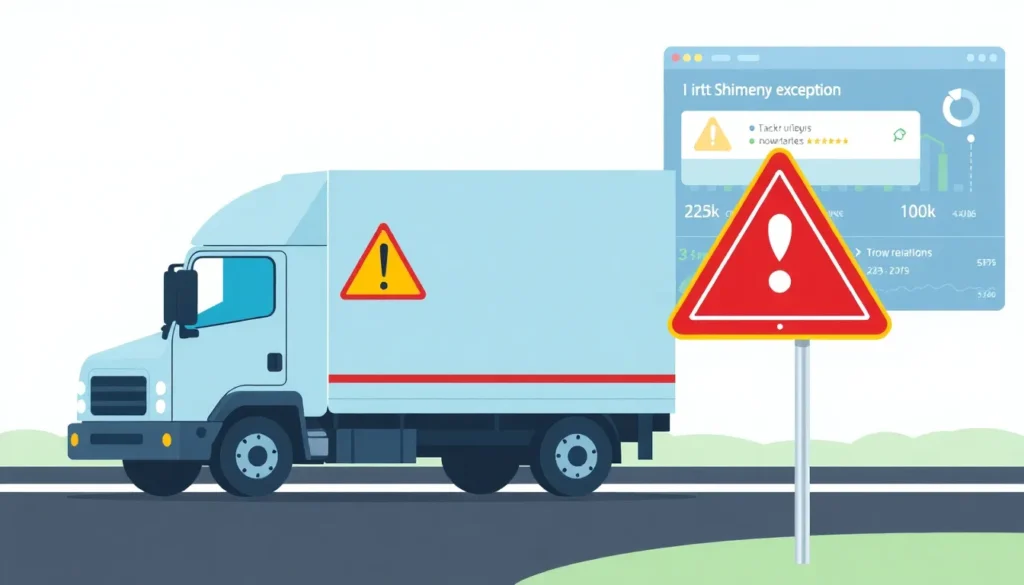
A shipment exception is a term used in logistics and parcel delivery to describe an unforeseen event that interrupts the normal transit of a package. This event typically results in delays or alterations to the expected delivery schedule. Shipment exceptions can arise from a variety of causes including environmental conditions, errors in addressing, customs issues, or operational challenges faced by the carrier.
Detailed Explanation
Shipment exceptions are notifications generated by carriers to alert senders and recipients that a package has encountered a problem during its journey. These exceptions may signal delays, rerouting, or the need for additional action to ensure delivery. Common causes include incorrect or incomplete delivery information, weather disruptions, mechanical failures, customs holds, or security concerns. The exception status helps stakeholders understand that the shipment is not progressing as initially planned and may require intervention or patience.
How It Works
When a package is scanned at various points along its delivery route, the carrier’s tracking system updates its status. If the package encounters an issue, the system triggers an exception status. This information is then communicated to the sender and recipient, often through electronic tracking updates. The carrier typically investigates the cause of the exception, attempts corrective measures such as contacting the recipient for clarification, or rescheduling delivery. The resolution time varies depending on the nature of the exception and the carrier’s policies.
Examples
- Incorrect Address: A shipment is delayed because the provided address is incomplete or inaccurate, preventing successful delivery attempts.
- Weather Delays: Severe weather conditions such as storms or floods disrupt transportation routes, causing shipment delays and exceptions.
- Customs Hold: International shipments may be held by customs authorities for inspection or due to missing documentation, triggering an exception.
Why It Matters
Shipment exceptions are significant because they directly affect the timeliness and reliability of deliveries. Identifying and communicating exceptions allows senders and recipients to manage expectations and take necessary actions to resolve issues. For businesses, managing shipment exceptions is critical to maintaining customer satisfaction and operational efficiency.
Common Misconceptions
Misconception: A shipment exception means the package is lost.
Correction: An exception indicates a delay or issue, not necessarily loss. The package is usually still in transit and recoverable.
Misconception: Shipment exceptions always require customer intervention.
Correction: Some exceptions are resolved internally by the carrier without customer involvement.
Pros and Cons
Pros: Provides transparency on shipment status; allows proactive issue resolution; helps manage delivery expectations.
Cons: Can cause customer anxiety; may indicate delays impacting time-sensitive deliveries; sometimes lacks detailed explanations.
Comparison Table
| Aspect | Shipment Exception | Delivery Delay |
|---|---|---|
| Meaning | An unexpected event causing disruption in shipment transit. | A general term indicating a delivery is later than scheduled, may or may not have a specified cause. |
| Cause | Specific issues like address errors, weather, customs issues. | Can be due to various factors including shipment exceptions, logistical constraints. |
| Notification | Usually triggers an alert or status update in tracking. | May or may not have explicit notification depending on carrier. |
| Required Action | May require customer or carrier intervention. | Generally no direct action unless specified. |
Decision Checklist
What is the easiest way to understand Shipment Exception?
The easiest way to understand a shipment exception is to view it as a signal that something unexpected happened during delivery, causing a delay or change. It’s a status update that alerts you to a problem so that you can be informed and take action if needed.
FAQ
What causes a shipment exception?
Shipment exceptions can be caused by many factors including incorrect addresses, weather disruptions, customs delays, mechanical issues, or operational errors during transit.
Does a shipment exception mean my package is lost?
No, a shipment exception indicates there is a problem causing a delay or change, but the package is generally still in transit and not lost.
What should I do if my shipment has an exception?
Check the tracking updates for details, contact the carrier if necessary, and verify address information to help resolve the issue.





Leave a Reply