
Short Answer
Overview
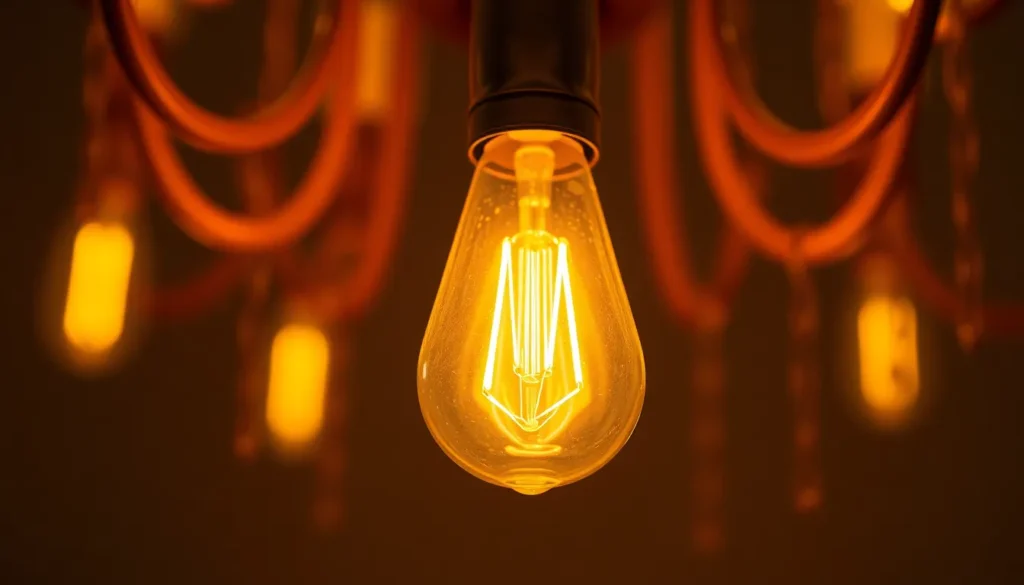
A Type B bulb refers to a category of light bulbs distinguished primarily by their flame-shaped or torpedo-shaped glass envelope. These bulbs are frequently utilized in decorative lighting, chandeliers, sconces, and other fixtures where the aesthetic appearance of the bulb is important. The designation “Type B” is part of a classification system that describes the physical shape and size of light bulbs, aiding consumers and manufacturers in identifying appropriate bulbs for specific fixtures.
Detailed Explanation
The Type B bulb features a narrow, elongated shape with a pointed tip resembling a candle flame or a torpedo. This design allows the bulb to mimic the appearance of a candle flame, which is particularly desirable in traditional or vintage light fixtures. Type B bulbs can come in a variety of base sizes and wattages, and they are available in incandescent, LED, and sometimes compact fluorescent versions. The shape not only serves an aesthetic purpose but also helps to distribute light in a manner suitable for decorative applications.
How It Works
Like other light bulbs, Type B bulbs operate by converting electrical energy into light. In incandescent Type B bulbs, an electric current passes through a tungsten filament, heating it until it emits light. In LED versions, light-emitting diodes are arranged inside the flame-shaped bulb to produce light efficiently with lower energy consumption. The unique shape does not affect the fundamental electrical operation but influences the light distribution and the visual effect produced by the bulb.
Examples
- Incandescent Type B Bulbs: Traditional flame-tip bulbs used in chandeliers and wall sconces for a warm, classic glow.
- LED Type B Bulbs: Modern energy-efficient alternatives that replicate the flame shape while consuming less power and lasting longer.
- Colored Type B Bulbs: Variants available in tinted or frosted glass to create ambient lighting effects in decorative fixtures.
Pros and Cons
Pros: Enhance decorative lighting with a visually appealing flame shape; available in multiple lighting technologies; suitable for use in fixtures where bulb appearance is important.
Cons: Generally less efficient than standard bulb shapes in terms of light output; some types (especially incandescent) have shorter lifespans and higher energy consumption.
Comparison Table
| Aspect | Type B Bulb | Standard A-shape Bulb |
|---|---|---|
| Meaning | Flame-shaped decorative bulb | Traditional pear-shaped general-purpose bulb |
| Typical Use | Decorative fixtures like chandeliers | General lighting in lamps and ceiling fixtures |
| Light Distribution | Focused and aesthetic | Even and broad |
| Energy Efficiency | Varies, often less efficient in incandescent form | Varies, often more efficient in LED form |
Decision Checklist
- Use this if you need a bulb for decorative lighting where appearance is important.
- Avoid this if you require maximum light output or energy efficiency over aesthetics.
- Check this first for compatibility with your fixture’s base size and wattage requirements.
What is the easiest way to understand Type B Bulb?
The easiest way to understand a Type B bulb is to think of it as a candle-shaped light bulb designed primarily for decorative purposes. Its unique flame-like shape distinguishes it from more common bulb shapes, making it ideal for fixtures where the bulb itself is part of the visual design.
FAQ
What does the 'B' in Type B bulb stand for?
The 'B' refers to the bulb's flame-like or torpedo shape, often called 'B' for 'bullet' or 'flame' shape in bulb classification systems.
Are Type B bulbs energy efficient?
Energy efficiency varies depending on the technology used; LED Type B bulbs are generally energy efficient, while incandescent versions consume more energy.
Can Type B bulbs be used in any light fixture?
Type B bulbs must match the fixture's base type and wattage rating; they are typically used in decorative fixtures rather than general lighting fixtures.




Leave a Reply