
Short Answer
Overview
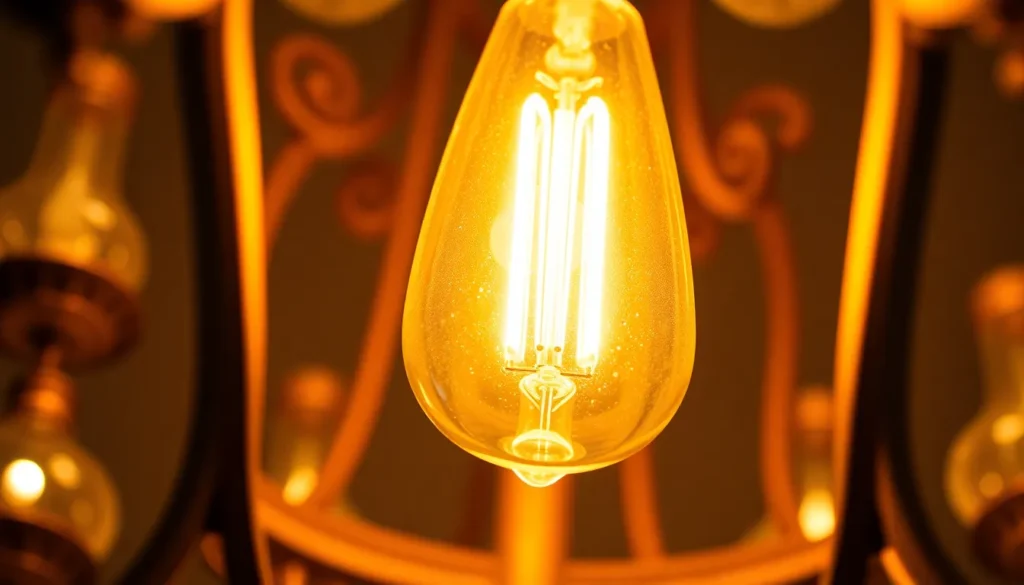
A Type B light bulb refers to a particular classification of light bulb distinguished primarily by its shape. These bulbs are characterized by their elongated, tapered, and often flame-shaped glass envelope, which sets them apart from the more traditional spherical or pear-shaped bulbs. Type B bulbs are frequently used in decorative lighting applications, such as chandeliers, sconces, and other fixtures where visual appearance is important.
Detailed Explanation
Type B bulbs are designed to mimic the appearance of a flame, providing an aesthetic element that enhances the ambiance of a room or setting. They are commonly available as incandescent bulbs but have also been adapted into LED formats to improve energy efficiency and longevity. In terms of size, Type B bulbs typically measure smaller than standard household bulbs, offering a more delicate and ornamental look. Their bases are often compatible with standard screw-in sockets, such as the E12 candelabra base or E14 base, which are common in decorative fixtures.
How It Works
Like other light bulbs, Type B bulbs produce light through the conversion of electrical energy into visible light. In incandescent versions, an electric current passes through a tungsten filament, heating it until it glows and emits light. LED versions use light-emitting diodes to produce light more efficiently and with less heat generation. The flame-like shape of the bulb does not affect its basic operation but is designed to complement the style of fixtures where the bulb is visible and contributes to the overall decorative effect.
Examples
- Decorative chandeliers often utilize Type B bulbs to create an elegant and classic look.
- Wall sconces in residential or hospitality settings frequently feature Type B bulbs to provide soft, ambient lighting.
- String lights or festive lighting may use Type B bulbs to add a vintage or ornate character to the illumination.
Why It Matters
Type B light bulbs hold significance primarily in aesthetic and design contexts within lighting. Their distinctive shape allows them to be used where the bulb itself is part of the visual appeal of a fixture, rather than being concealed. This makes them important in interior design, architectural lighting, and decorative applications where both light quality and appearance are considered.
Common Misconceptions
Misconception: Type B bulbs are only available as incandescent.
Correction: While traditionally incandescent, Type B bulbs are also available in LED formats, offering energy efficiency and longer lifespan.
Misconception: The shape affects the bulb’s light output.
Correction: The flame-like shape is primarily for aesthetic purposes and does not inherently change the light output or efficiency compared to other bulb shapes with similar specifications.
Pros and Cons
Pros: Attractive flame-shaped design suitable for decorative lighting, available in multiple technologies (incandescent and LED), compatible with common fixture bases.
Cons: Typically less efficient than some modern bulb shapes (incandescent versions), may have limited availability compared to standard bulb shapes, flame shape may not suit all lighting needs.
Comparison Table
| Aspect | Type B Light Bulb | Standard A19 Bulb |
|---|---|---|
| Meaning | Flame-shaped bulb primarily for decorative use. | Standard pear-shaped bulb used in general lighting. |
| Typical Use | Decorative fixtures like chandeliers and sconces. | General household lighting in lamps and ceiling fixtures. |
| Common Base Types | E12 or E14 candelabra bases. | E26 or E27 medium screw bases. |
| Shape | Elongated, tapered, flame-like. | Rounded, pear-shaped. |
| Availability | Incandescent and LED variants, less common. | Widely available in multiple technologies. |
Decision Checklist
What is the easiest way to understand Type B Light Bulb?
The easiest way to understand a Type B light bulb is to think of it as a decorative bulb shaped like a candle flame, designed to look elegant in fixtures where the bulb is visible, rather than just providing light like traditional bulbs.
FAQ
What distinguishes a Type B light bulb from other bulb types?
A Type B light bulb is distinguished by its elongated, flame-shaped glass envelope, which is designed primarily for decorative purposes, unlike more common bulb shapes like A19 which are pear-shaped and used mainly for general lighting.
Can Type B bulbs be used in any light fixture?
Type B bulbs typically require fixtures that accept smaller screw bases such as E12 or E14, commonly found in chandeliers and sconces. They are not compatible with standard medium base sockets without adapters.
Are there energy-efficient options for Type B bulbs?
Yes, LED versions of Type B bulbs are available, providing the decorative flame shape while consuming less energy and lasting longer than traditional incandescent Type B bulbs.



Leave a Reply