
Short Answer
Overview
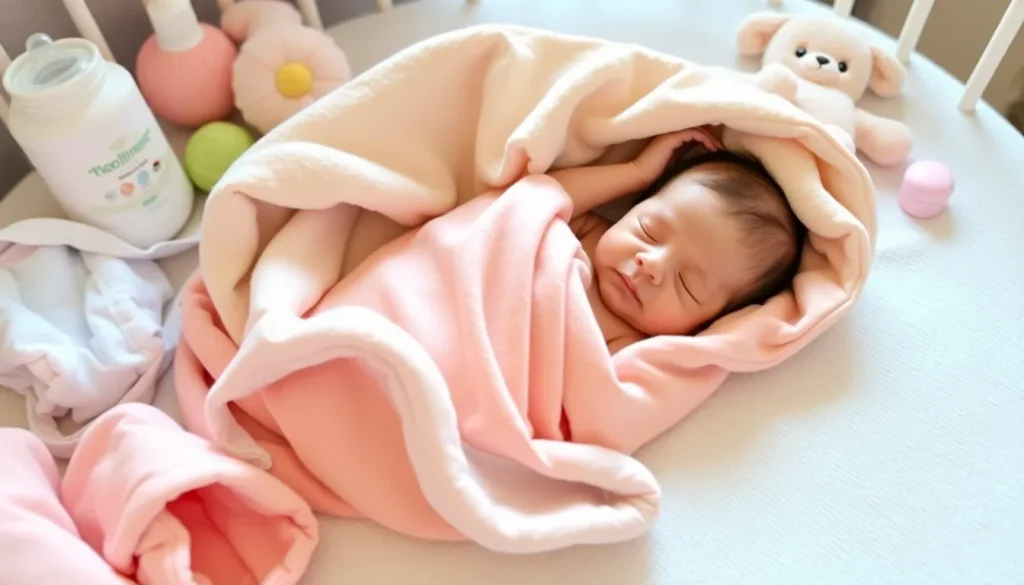
A receiving blanket is a versatile piece of baby bedding that is typically made from soft, lightweight fabric. It is primarily designed for use with newborns and infants, serving multiple functions such as wrapping the baby to provide warmth and comfort, acting as a burp cloth, or providing a clean surface during diaper changes or feeding. Receiving blankets are usually square or rectangular and vary in size, but they are generally smaller and thinner than regular blankets.
Detailed Explanation
Receiving blankets are often made from materials like cotton, flannel, or muslin, chosen for their softness and breathability. They are designed to be both gentle on a baby’s sensitive skin and durable enough to withstand frequent washing. The term “receiving” originates from their initial use in hospitals when a newborn is “received” from the delivery room, wrapped in a blanket for warmth and security. Over time, their use expanded into everyday infant care at home.
These blankets can also help regulate a newborn’s temperature, an important consideration since infants have difficulty maintaining body heat. Their lightweight nature allows for easy swaddling, which can soothe and calm babies by mimicking the snug environment of the womb.
How It Works
A receiving blanket works by providing a soft, breathable layer to wrap or cover a baby. When swaddling, the blanket is folded and wrapped snugly around the infant’s body, restricting excessive movement and promoting better sleep. The fabric’s breathability helps prevent overheating while maintaining warmth. Additionally, the blanket can be unfolded to serve as a protective barrier on surfaces such as changing tables or car seats, ensuring a clean area for the baby.
Its multipurpose design means it can be quickly used as a burp cloth or lightweight cover during feeding times, enhancing convenience for caregivers.
Examples
- Swaddling: Wrapping a newborn in a receiving blanket to provide warmth and reduce startle reflex.
- Burp Cloth: Placing the blanket over a caregiver’s shoulder to protect clothing while burping the baby.
- Changing Pad Cover: Laying the blanket on a changing surface to create a clean, soft area for diaper changes.
Pros and Cons
Pros:
- Soft and gentle on baby’s skin
- Lightweight and breathable
- Multipurpose usage (swaddling, burping, changing)
- Easy to wash and maintain
Cons:
- Not suitable for use as a heavy blanket in cold weather
- May need to be replaced frequently due to staining or wear
- Size may not be adequate for older infants or toddlers
Comparison Table
| Aspect | Receiving Blanket | Regular Baby Blanket |
|---|---|---|
| Meaning | Lightweight, multipurpose blanket for newborns | Heavier, larger blanket for warmth and comfort |
| Material | Often cotton, flannel, or muslin | Varies widely; may include fleece, wool, or thicker cotton |
| Primary Use | Swaddling, burping, surface cover | Providing warmth and comfort during sleep or rest |
| Size | Typically smaller (30″ x 30″ to 40″ x 40″) | Generally larger to cover a crib or toddler |
Decision Checklist
- Use this if you need a lightweight, versatile blanket for a newborn.
- Avoid this if you require a heavy blanket for colder climates or older babies.
- Check this first for fabric type and size to ensure it fits your specific needs.
What is the easiest way to understand a Receiving Blanket?
The easiest way to understand a receiving blanket is to think of it as a soft, square cloth designed to wrap, protect, and comfort newborn babies in various everyday situations. It is not just a blanket for warmth but a multipurpose essential in infant care.
FAQ
What is the main purpose of a receiving blanket?
The main purpose of a receiving blanket is to provide a soft, breathable wrap for newborns that can be used for swaddling, warmth, and as a clean surface during infant care.
How is a receiving blanket different from a regular baby blanket?
Receiving blankets are generally lighter, smaller, and more versatile than regular baby blankets, which are typically heavier and designed mainly for warmth.
Can receiving blankets be used for older babies?
While receiving blankets are designed for newborns, they can sometimes be used for older infants for light coverage, but they may be too small or thin for toddlers requiring more warmth.




Leave a Reply