
Short Answer
Overview
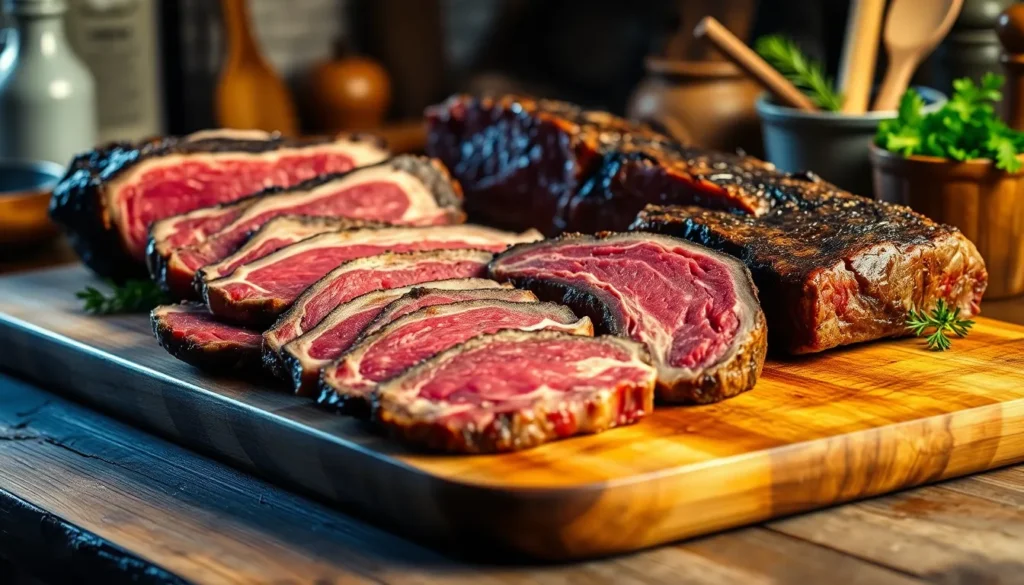
A good cut of steak is generally characterized by qualities such as tenderness, flavor, marbling (intramuscular fat), and suitability for particular cooking methods. Steak cuts come from different parts of the cow, with varying textures and taste profiles influenced by muscle use and fat distribution. Understanding these attributes helps consumers and cooks select the appropriate steak for their preferences and culinary techniques.
Detailed Explanation
Steak cuts originate primarily from the primal sections of beef, including the rib, loin, chuck, round, and flank. The tenderness of a steak depends largely on the amount of connective tissue and muscle use in the area. For example, muscles that are less exercised tend to be more tender. Marbling, the flecks of fat within the muscle, melts during cooking and enhances flavor and juiciness. Different cuts offer a balance between tenderness and flavor, with some being leaner and others richer in fat.
How It Works
The quality of a steak cut is influenced by the anatomy of the cow and the butchering process. Cuts from the loin and rib sections, such as ribeye and tenderloin, are prized for their tenderness and marbling. These cuts are often cooked quickly at high heat. Conversely, cuts from the chuck or round regions are tougher due to increased muscle activity and therefore benefit from slower, moist cooking methods like braising to become tender. The grading of beef by agencies (e.g., USDA) also affects perceived quality by evaluating marbling and maturity.
Examples
- Ribeye: Known for significant marbling and rich flavor, ribeye is tender and well-suited for grilling or pan-searing.
- Filet Mignon (Tenderloin): The most tender cut with mild flavor, often preferred for its texture over intense beefiness.
- Strip Steak (New York Strip): Offers a balance of tenderness and flavor with moderate marbling, popular for grilling.
- Sirloin: Leaner than ribeye or strip steak, somewhat less tender but flavorful; versatile for various cooking methods.
- Flank and Skirt Steak: Known for robust flavor but tougher texture, best when marinated and cooked quickly to medium rare, sliced against the grain.
Why It Matters
Choosing a good cut of steak affects not only the eating experience but also cooking success. Selecting a cut appropriate for one’s cooking method and taste preference can result in a more enjoyable meal and efficient preparation. Additionally, understanding steak cuts helps consumers make informed decisions based on price, nutritional content, and intended use.
Common Misconceptions
Misconception: The most expensive steak is always the best quality.
Correction: Price often reflects demand, branding, or cut rarity rather than overall quality or suitability for specific cooking methods.
Misconception: All tender steaks lack flavor.
Correction: While some tender cuts like filet mignon are milder, many high-quality tender steaks such as ribeye have rich flavor due to marbling.
Pros and Cons
Pros: Allows for selection based on texture, flavor, and cooking method; can optimize meal satisfaction and cooking results.
Cons: Complexity of options may confuse consumers; certain cuts require specific cooking skills or time.
Comparison Table
| Aspect | Good Cut of Steak | Alternative/Related Topic |
|---|---|---|
| Meaning | A steak cut prized for tenderness, flavor, and suitability for cooking methods | General beef cuts |
| Texture | Varies from tender (tenderloin) to firm (flank) | Ground beef texture |
| Flavor | Enhanced by marbling and fat content | Lean meat flavor |
| Cooking Methods | Grilling, pan-searing, broiling, braising depending on cut | Roasting whole beef |
Decision Checklist
What is the easiest way to understand a good cut of steak?
The simplest way to understand what makes a good cut of steak is to consider its tenderness and flavor profile relative to its cooking method. Generally, more tender cuts with higher marbling are suitable for quick, high-heat cooking, while tougher cuts with less fat benefit from slow, moist heat. Tasting different cuts and noting their characteristics can also provide practical insight.
FAQ
What makes a steak cut 'good'?
A good steak cut typically combines tenderness, appropriate marbling, flavor, and suitability for the intended cooking method.
Are more expensive steaks always better?
Not necessarily; price can reflect demand or rarity but does not always guarantee better flavor or tenderness for all preferences.
How does marbling affect steak quality?
Marbling enhances flavor and juiciness as the fat melts during cooking, contributing to a more tender and flavorful steak.

Leave a Reply