
Short Answer
Overview
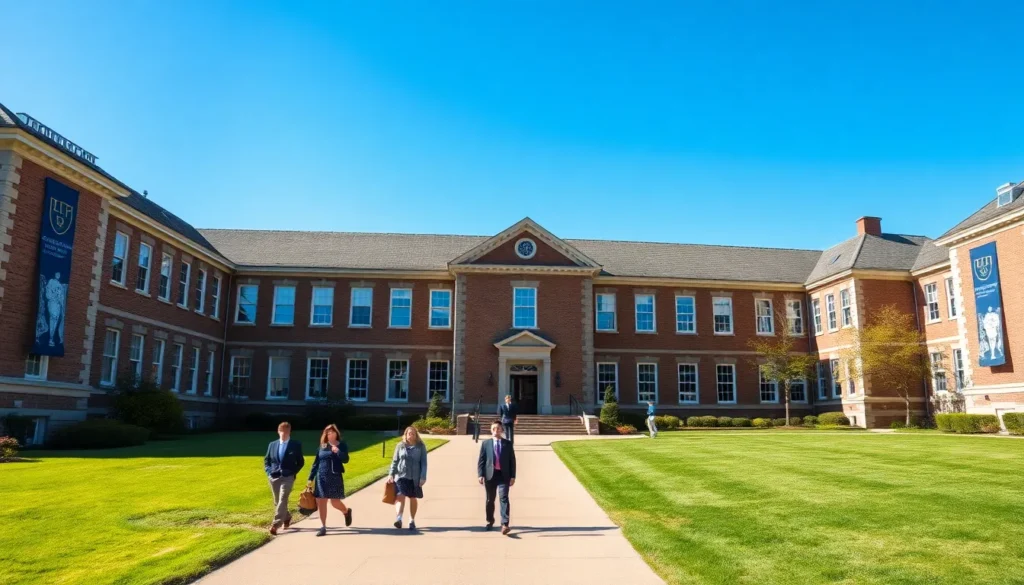
A private school is an educational establishment that functions independently from the public school system. Unlike public schools which are funded and regulated by government authorities, private schools rely primarily on tuition fees paid by students’ families, as well as private donations and endowments. These schools have the autonomy to set their own curricula, admission standards, and policies. They may be secular or affiliated with religious organizations and often emphasize specialized educational philosophies or pedagogical approaches.
Detailed Explanation
Private schools exist at all levels of education, from elementary through secondary, and sometimes even at the post-secondary level. They vary widely in size, governance, educational focus, and tuition costs. Because they operate independently, private schools are not bound by many of the regulations that govern public schools, allowing for greater flexibility in teaching methods, class sizes, and extracurricular offerings. They may offer advanced placement courses, international curricula, or unique educational models such as Montessori, Waldorf, or classical education.
Funding for private schools primarily comes from tuition fees paid by students’ families. Additional funding may come from alumni donations, fundraising activities, religious organizations, or charitable foundations. This financial model allows private schools to maintain facilities, hire staff, and develop programs that align with their missions. However, tuition costs can be prohibitive for some families, leading many private schools to offer scholarships or financial aid to promote accessibility.
How It Works
Private schools establish their own admission criteria, which may include entrance exams, interviews, or evaluations of previous academic records. Unlike public schools, which must accept all students residing within a geographical district, private schools may be selective in their student body composition.
Curricular decisions rest with the school’s administration and governing board, allowing them to tailor educational content and pacing to their educational philosophy or the needs of their students. Teachers in private schools may have different certification requirements than those in public schools, varying by jurisdiction.
Governance structures typically include a board of trustees or directors responsible for oversight, financial management, and strategic planning. Private schools are accountable primarily to their stakeholders, such as parents and donors, rather than to government entities.
Examples
- United States: Private schools range from independent day schools to prestigious boarding schools such as Phillips Exeter Academy or St. Paul’s School, offering rigorous academic programs alongside extracurricular activities.
- United Kingdom: Known as independent schools, examples include Eton College and Harrow School, which often have historic legacies and offer specialized curricula such as A-levels or the International Baccalaureate.
- India: Private schools vary widely, from affordable neighborhood institutions to elite international schools following foreign curricula like the Cambridge International Examinations or IB.
- Australia: Private schools include both secular and religious institutions, often charging tuition fees and providing specialized programs in arts, sports, and academics.
Pros and Cons
- Pros: Smaller class sizes, specialized curricula, greater autonomy in teaching methods, potentially better resources and facilities, strong community involvement, and tailored student support.
- Cons: Higher costs due to tuition fees, potential lack of diversity, varying degrees of regulatory oversight, and accessibility challenges for lower-income families.
Comparison Table
| Aspect | Private School | Public School |
|---|---|---|
| Meaning | Educational institution independently funded and governed without direct government control. | Government-funded and regulated educational institution serving local populations. |
| Funding | Primarily tuition, donations, and endowments. | Public taxes and government budgets. |
| Curriculum | Self-determined, may include specialized or alternative programs. | Standardized by government educational authorities. |
| Admission | Selective, based on criteria set by the school. | Must accept all students within a district. |
| Regulation | Less regulated; subject to accreditation and licensing standards. | Highly regulated by educational authorities. |
Decision Checklist
- Use this if: You seek specialized educational approaches, smaller class sizes, or particular religious or philosophical instruction.
- Avoid this if: You require free schooling due to financial constraints or prefer a standardized public curriculum.
- Check this first: Tuition costs, accreditation status, curriculum compatibility with educational goals, and the availability of financial aid or scholarships.
What is the easiest way to understand Private Schools?
The simplest way to understand a private school is as an educational institution that operates independently from government-run schools, funded mainly by the families of attending students, and able to offer unique educational programs and environments based on its own mission and resources.
FAQ
What distinguishes a private school from a public school?
Private schools operate independently from government control, primarily funded by tuition and private sources, and often have selective admissions and specialized curricula, whereas public schools are government-funded and must accept all students within their district.
Are private schools more expensive than public schools?
Yes, private schools typically charge tuition fees to cover their operating costs, unlike public schools which are funded through taxes and offer free education to residents.
Do private schools have to follow state educational standards?
Private schools have more flexibility in curriculum design and are not always required to follow state standards, though many seek accreditation and may incorporate standard guidelines for college preparation.

Leave a Reply