
Short Answer
Overview
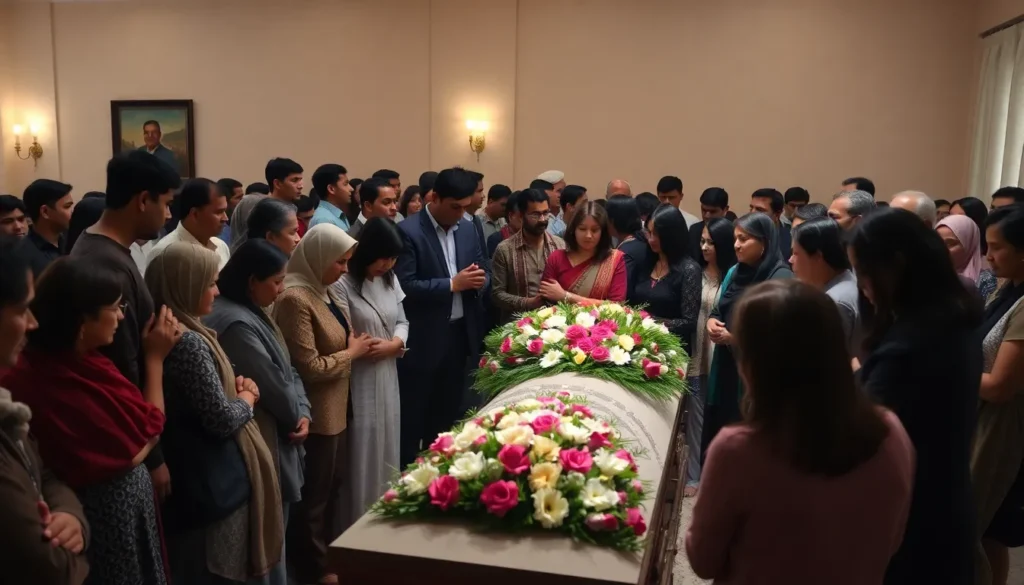
A wake service is a ceremonial gathering held before a funeral, intended to honor and remember a deceased individual. Traditionally, it provides an opportunity for family members, friends, and acquaintances to pay their respects, offer condolences, and share memories of the departed. The practice of holding a wake varies widely in formality, length, and cultural expression, but it generally serves as a time for communal mourning and support.
Detailed Explanation
Historically, a wake originated as a vigil kept beside the body of the deceased, often overnight, to ensure the person was truly dead and to ward off evil spirits. Over time, the ritual evolved into more of a social and religious event. In many cultures, wakes are held in homes, funeral homes, or places of worship. The tone can range from solemn and reflective to celebratory, depending on cultural or familial preferences.
Wakes may include prayers, readings, hymns, or moments of silence. Attendees commonly view the body, either in an open or closed casket, and engage in conversations about the deceased’s life. Food and drink may also be shared, reinforcing social bonds during a difficult time.
How It Works
Typically, a wake service is scheduled shortly after death and before the funeral or memorial service. The body of the deceased is usually present, allowing mourners to pay their last respects. The event can last anywhere from a few hours to an entire evening or overnight vigil.
Organizers often coordinate the wake through funeral homes or family members. Participants may be invited formally or attend informally. The service may include religious leaders or officiants who guide prayers or rituals, or it may be a secular gathering.
In some traditions, the wake serves as a preparatory period for the funeral, allowing mourners to process grief gradually. In others, it is an integral part of the mourning process with specific rites or customs that reflect cultural identity.
Examples
- Irish Wake: Traditionally held in the family home, Irish wakes are known for combining mourning with storytelling, singing, and sometimes humor, reflecting a communal approach to death.
- Filipino Wake: Known as “lamay,” these wakes can last several days and often involve nightly prayers, food offerings, and an open invitation to the community to participate.
- American Wake: Commonly held in funeral homes, American wakes often feature an open or closed casket viewing, floral arrangements, and a formal setting where attendees express condolences.
Pros and Cons
Pros: Provides a structured opportunity for grief expression; fosters social support; honors cultural and religious traditions; allows closure before the funeral.
Cons: Can be emotionally taxing for some participants; may require significant planning and resources; cultural expectations might impose pressures on families; not all individuals or families may find it helpful or relevant.
Comparison Table
| Aspect | Wake Service | Funeral Service |
|---|---|---|
| Meaning | A gathering to honor the deceased before the funeral, often social and reflective. | A formal ceremony focused on commemorating and burying or cremating the deceased. |
| Timing | Held prior to the funeral, often the evening before or hours before. | Held after the wake, typically the main event for mourning and burial. |
| Purpose | To allow family and friends to pay respects, share memories, and offer support. | To conduct final rites, religious or secular, and lay the deceased to rest. |
| Setting | Often informal, in homes, funeral homes, or community spaces. | More formal, usually in places of worship, funeral homes, or cemeteries. |
Decision Checklist
- Use this if: You want a time for family and friends to gather informally before the funeral; your culture or religion values this tradition; you seek communal support during early mourning.
- Avoid this if: You prefer a private or immediate funeral without additional gatherings; logistical or financial constraints prevent organizing a wake; the deceased or family wishes otherwise.
- Check this first: Cultural, religious, and family preferences; availability of venues; timing in relation to funeral arrangements.
What is the easiest way to understand a Wake Service?
The simplest way to understand a wake service is as a gathering or vigil held before a funeral where people come together to remember and honor someone who has died, offering emotional support and sharing memories in a communal setting.
FAQ
What is the difference between a wake and a funeral?
A wake is a gathering held before the funeral, often more informal and focused on viewing the deceased and socializing, while a funeral is a formal ceremony that typically includes religious or secular rites leading to burial or cremation.
Is a wake always religious?
No, wakes can be either religious or secular depending on cultural practices and family preferences.
Can a wake be held without the body present?
Traditionally, the body is present at a wake, but some modern variations may hold memorial gatherings without the deceased's body.



Leave a Reply