
Short Answer
Overview
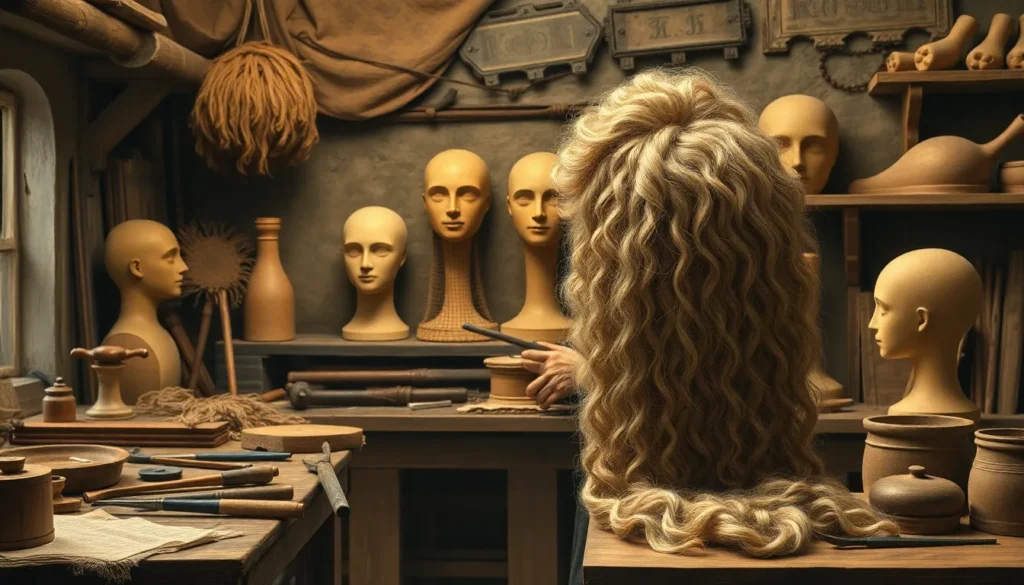
A peruke maker is a skilled artisan who creates, styles, and repairs perukes, commonly known as wigs. Historically, peruke makers were essential figures in societies where wigs were popular for fashion, social status, or professional reasons. The job requires a combination of craftsmanship, artistic ability, and knowledge of hair materials and styling techniques.
Detailed Explanation
The term “peruke” originates from the French word “perruque,” referring to a type of wig popular in Europe from the 17th to the 19th centuries. Peruke makers specialized in producing these elaborate wigs, often using human or animal hair, and sometimes horsehair or wool. These wigs were worn for various purposes, including disguising baldness, enhancing appearance, or symbolizing social rank.
The profession involves several steps: sourcing and preparing hair, constructing the wig base or cap, attaching hair strands by hand or machine, and styling the wig to meet specific fashion or functional requirements. Over time, the role evolved with changing styles and technologies, and while less common today, the craft persists in theatrical, ceremonial, and specialized fashion contexts.
How It Works
Peruke makers begin by selecting appropriate hair or synthetic materials, assessing quality and texture. They then create a wig base, which can be made from lace, mesh, or other durable materials shaped to fit the wearer’s head. Hair is ventilated (individually tied) or sewn onto the base, a meticulous process requiring precision.
After constructing the wig, the maker styles it according to the desired look, which may involve cutting, curling, powdering, or setting the hair. Maintenance and repair are also part of the job, ensuring longevity and comfort for the wearer. In historical contexts, this process could be highly elaborate, with wigs powdered and decorated to reflect contemporary trends.
Examples
- 17th-century European court wigs: Peruke makers crafted large, curled wigs worn by nobility and judges, symbolizing authority and status.
- Theatrical wigs: Modern peruke makers create wigs for stage and film productions to help actors assume different characters authentically.
- Legal wigs in the UK: While modern materials are used, peruke makers still produce traditional wigs worn by barristers and judges as part of courtroom attire.
Pros and Cons
- Pros: Preserves a traditional craft, offers artistic expression, supports theatrical and ceremonial needs.
- Cons: Niche market with limited demand, requires meticulous and time-consuming work, may involve exposure to chemicals or allergens.
Comparison Table
| Aspect | Peruke Maker | Alternative/Related Topic: Modern Wigmaker |
|---|---|---|
| Meaning | Craftsman specializing in traditional wigs often using natural hair and historic techniques. | Professional creating wigs with modern materials and techniques for fashion, medical, or entertainment use. |
Decision Checklist
- Use this if you are interested in historical haircraft, theatrical costume production, or traditional wig-making.
- Avoid this if you prefer mass-produced wigs or do not have patience for detailed handwork.
- Check this first for proper training in hairwork techniques and knowledge of historical wig styles.
What is the easiest way to understand a Peruke Maker job?
The easiest way to understand the job of a peruke maker is to view it as a specialized form of wig-making combining craftsmanship, historical knowledge, and hairstyling skills to produce wigs for specific cultural, professional, or artistic purposes.
FAQ
What materials do peruke makers use?
Peruke makers traditionally use human hair, horsehair, animal hair, and occasionally synthetic fibers depending on the period style and intended use.
Is peruke making still practiced today?
Yes, although less common, peruke making continues mainly in theatrical costume, ceremonial roles, and legal professions where traditional wigs are worn.
What distinguishes a peruke maker from a modern wigmaker?
Peruke makers often focus on historical styles and handcrafting techniques, while modern wigmakers may use synthetic materials and cater to broader fashion or medical needs.

Leave a Reply