
Short Answer
Overview
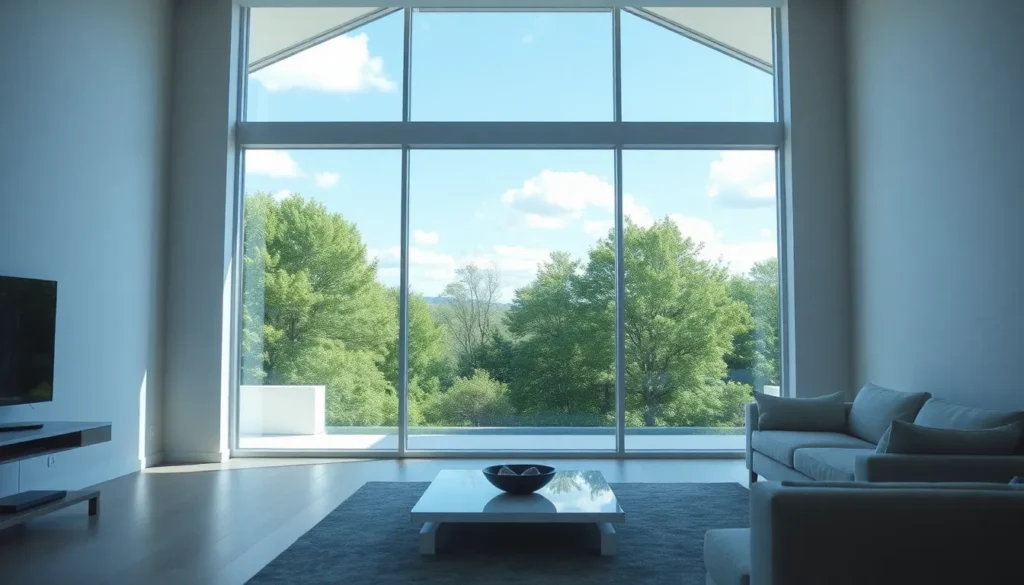
A picture window is a large, fixed-pane window that is designed primarily to offer an expansive, unobstructed view of the outside environment. Unlike operable windows, picture windows do not open or close. Their main function is to maximize natural light and provide a clear visual connection to the outdoors. They are commonly used in homes and commercial buildings where enhanced visibility and aesthetic appeal are desired.
Detailed Explanation
Picture windows are typically installed as a single, large pane of glass within a frame, often surrounded by smaller operable windows or architectural elements. The absence of moving parts contributes to their structural integrity and often allows for larger glass areas than other window types. Due to their fixed nature, picture windows are not intended for ventilation but serve to create a sense of openness and bring in daylight.
They can be customized in various shapes and sizes to fit architectural designs, including rectangular, square, and sometimes more complex geometric forms. The frames are usually constructed from materials such as wood, vinyl, aluminum, or fiberglass, each offering different benefits related to durability, insulation, and maintenance.
How It Works
As a fixed window, the picture window is sealed permanently within its frame. It relies on the quality and thickness of the glass, as well as frame construction, to provide insulation and weather resistance. Modern picture windows often utilize double or triple glazing to improve thermal performance and reduce energy loss.
The installation is designed to ensure airtight sealing, which prevents drafts and moisture penetration. Because the window does not open, it reduces the risk of air leakage compared to operable windows. However, since it cannot be opened, alternative ventilation methods are necessary in rooms with picture windows.
Examples
- A living room featuring a large rectangular picture window that overlooks a garden, maximizing natural light and outdoor views.
- Commercial office spaces incorporating floor-to-ceiling picture windows to create open, bright interiors and improve employee well-being.
- Modern homes using a combination of picture windows and sliding or casement windows to balance unobstructed views with ventilation needs.
Pros and Cons
Pros:
- Provides expansive, unobstructed views of the outside.
- Maximizes natural light entering a space.
- Offers better energy efficiency due to a sealed, fixed design.
- Requires less maintenance since there are no moving parts.
- Enhances architectural aesthetics and can be customized in size and shape.
Cons:
- Does not provide ventilation, requiring other windows or systems for airflow.
- Can be more expensive due to larger glass panes and specialized installation.
- Potential for heat gain or loss if not properly insulated or glazed.
- Cleaning exterior surfaces can be challenging, especially for large or elevated installations.
Comparison Table
| Aspect | Picture Window | Casement Window |
|---|---|---|
| Meaning | Fixed large window providing unobstructed views | Operable window hinged at the side that swings outward |
| Ventilation | No ventilation | Provides ventilation when opened |
| Energy Efficiency | Generally high due to sealed design | Moderate, depends on seal quality |
| Maintenance | Lower, no moving parts | Higher due to hinges and moving components |
| Cost | Can be higher due to large glass panes | Typically less expensive |
Decision Checklist
- Use this if you want to maximize natural light and unobstructed views without the need for ventilation.
- Avoid this if you require windows that open for airflow or emergency egress.
- Check this first ensure your space has alternative ventilation options and that the window’s size and placement suit your architectural needs.
What is the easiest way to understand a Picture Window?
The easiest way to understand a picture window is to think of it as a large, fixed glass frame that acts like a transparent wall, allowing you to see outside clearly without the capability to open or close it. Its primary purpose is to enhance light and views rather than provide airflow.
FAQ
Can a picture window be opened?
No, picture windows are fixed and do not open. They are designed solely to provide large, unobstructed views and allow natural light into a space.
Are picture windows energy efficient?
Yes, picture windows can be highly energy efficient, especially when equipped with double or triple glazing and properly sealed frames to prevent air leakage.
Where are picture windows commonly used?
Picture windows are commonly found in living rooms, commercial buildings, and spaces where maximizing natural light and views is prioritized over ventilation.


Leave a Reply