
Short Answer
Overview
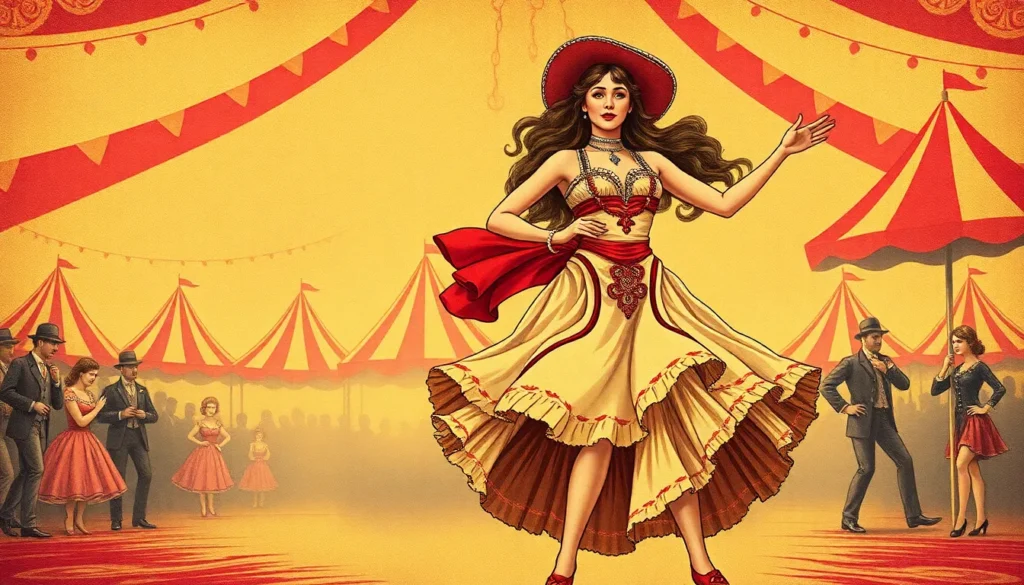
The term “hoochie coochie” refers primarily to a style of sexually suggestive dance that became popular in the United States during the late 19th and early 20th centuries. Often associated with traveling carnivals, sideshows, and early forms of burlesque and vaudeville, the hoochie coochie is characterized by its hip and torso movements, intended to entertain audiences with a combination of allure and rhythm. The dance gained notoriety for its provocative nature and was often performed by women in venues that catered to adult entertainment.
Detailed Explanation
The hoochie coochie dance evolved from various cultural and entertainment contexts, including Middle Eastern belly dancing and American minstrel shows. The dance typically involved isolated movements of the hips and abdomen, sometimes combined with shimmying and undulating motions. Its rise in popularity coincided with the expansion of carnival culture in the United States, where it was showcased as a spectacle attracting crowds at fairs and festivals.
The term itself likely derives from a corruption or Anglicization of foreign words or phrases, though exact etymological origins are debated. It may have connections to the Spanish word “chocha” or the Mexican “cochi-cochi,” though these links remain speculative. Regardless, the hoochie coochie became a recognizable label for a particular kind of erotic dance performance.
How It Works
The hoochie coochie is performed by dancers who emphasize fluid, rhythmic movements of the pelvis and midsection, often accompanied by music with a strong beat suited to the dance’s sensual style. The dance relies on controlled muscle movements to create a visual effect of looseness and seduction. Costume-wise, performers usually wore flowing garments or costumes that accentuated hip and torso movements, sometimes incorporating veils, fringes, or beads.
Although the hoochie coochie is often stylized in popular culture as overtly sexual or vulgar, it shares elements with other traditional dances that focus on hip articulation, and its performance requires significant skill and timing.
Examples
- 19th Century Carnival Performances: The hoochie coochie was a staple attraction at American carnivals and fairs, especially during the 1890s, where dancers performed in sideshow tents to draw crowds.
- Burlesque Shows: Early burlesque venues incorporated hoochie coochie elements into their repertoire, blending it with comedy and theatrical striptease.
- Popular Culture References: The dance has been referenced and depicted in various films, songs, and literature, often symbolizing exotic or risqué entertainment.
Pros and Cons
- Pros: The hoochie coochie dance contributed to the development of modern performance arts, highlighting female agency and expression through dance. It also played a role in the evolution of entertainment styles such as burlesque and belly dancing in Western culture.
- Cons: The dance was often stigmatized due to its sexual suggestiveness and association with adult entertainment, leading to moral criticisms and censorship in various periods. There were also concerns about exploitation in carnival contexts.
Comparison Table
| Aspect | Hoochie Coochie | Related Dance: Belly Dance |
|---|---|---|
| Meaning | A provocative, sensual dance popularized in carnivals and burlesque shows. | A traditional Middle Eastern dance focusing on torso and hip articulation. |
| Origin | Late 19th-century American carnival culture, possibly influenced by Middle Eastern dance forms. | Ancient Middle Eastern and North African traditions. |
| Performance Context | Carnivals, sideshows, burlesque theaters. | Festivals, cultural celebrations, stage performances. |
| Costume | Flowing, revealing costumes designed to highlight hip movements. | Often includes coin belts, veils, and fitted tops emphasizing torso movements. |
Decision Checklist
- Use this if … you want to study the history of American carnival entertainment or understand the evolution of provocative dance forms in Western culture.
- Avoid this if … you seek precise definitions of traditional Middle Eastern dance without Western cultural influences.
- Check this first … the historical context and regional variations of performance styles before assuming a single meaning for “hoochie coochie.”
What is the easiest way to understand Hoochie Coochie?
The easiest way to understand the hoochie coochie is to view it as a historically situated form of dance that combines elements of exoticism, sensuality, and theatrical performance within the framework of American carnival and burlesque entertainment. Recognizing it as both a cultural artifact and a performance genre helps clarify its role and significance in entertainment history.
FAQ
What is the origin of the term 'hoochie coochie'?
The exact origin of 'hoochie coochie' is uncertain, but it likely emerged in the late 19th century in the United States, possibly as an Anglicized term influenced by foreign languages. It became associated with a style of provocative dance performed at carnivals and sideshows.
Is the hoochie coochie the same as belly dancing?
While the hoochie coochie and belly dancing both involve hip and torso movements, they have different cultural origins and contexts. The hoochie coochie developed primarily in American carnival culture, whereas belly dancing is a traditional Middle Eastern dance form.
Why was the hoochie coochie considered controversial?
The hoochie coochie was often viewed as controversial due to its sexually suggestive movements and association with adult entertainment venues. This led to moral criticism and censorship attempts during various periods in history.




Leave a Reply