
Short Answer
Overview
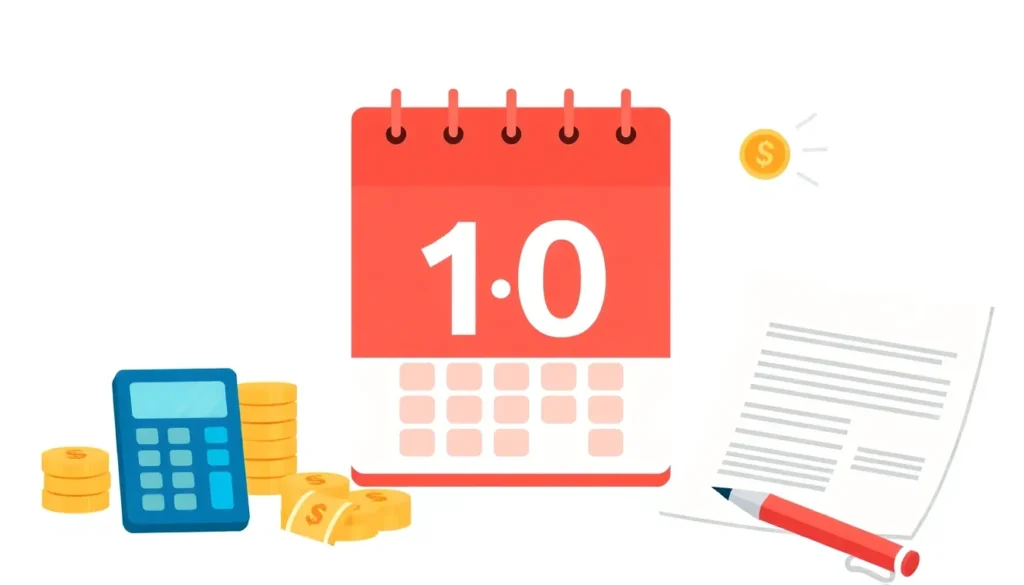
A 10 day payoff is a financial term that typically refers to the process of settling a debt or loan entirely within a ten-day period. This concept is often utilized in contexts such as credit card payments, short-term loans, and other forms of financing where rapid repayment is either required or strategically advantageous. The 10 day payoff period is characterized by its brevity, aiming to reduce interest costs, avoid penalties, or meet contractual obligations.
Detailed Explanation
In financial transactions, a payoff amount is the total sum needed to fully satisfy a debt at a given time. When this payoff is specified to occur over ten days, it means the borrower plans or agrees to clear the entire outstanding balance within that timeframe. This approach can be driven by several factors, including the desire to minimize interest accrual, close an account, or comply with lender terms.
Depending on the nature of the debt, a 10 day payoff might include the principal balance, accrued interest, fees, and any other charges that apply. The exact amount and conditions can vary widely based on the lender’s policies and the type of credit or loan involved.
How It Works
The mechanics of a 10 day payoff typically involve several steps:
- Calculation of Payoff Amount: The lender or creditor provides a payoff statement that outlines the total amount due to clear the debt within the designated period.
- Initiation of Payment: The borrower arranges to pay the specified amount, often through a lump sum or scheduled payments within the 10 days.
- Payment Processing: Payments are processed and applied to the account, reducing the balance accordingly.
- Account Closure or Continuation: Upon full payment within the 10 day window, the account may be closed or marked as paid in full; if not, interest and fees may continue to accrue.
Communication between borrower and lender is critical to ensure understanding of payoff terms and to avoid misunderstandings or penalties.
Examples
- Credit Card Debt: A cardholder may decide to pay off their credit card balance within 10 days of receiving the statement to avoid interest charges on new purchases.
- Auto Loan: A borrower might arrange a 10 day payoff to clear their remaining loan balance quickly, perhaps from a lump-sum source of funds such as a bonus or tax refund.
- Personal Loan Settlement: A borrower negotiating a lump sum payoff might agree with the lender to pay off the loan within 10 days of agreement to settle the account.
Why It Matters
Understanding the 10 day payoff concept is important for borrowers seeking to manage debt efficiently. Paying off debt quickly can reduce interest payments, improve credit scores, and provide financial relief. However, it requires careful planning and sufficient liquidity to meet the short window for repayment.
Common Misconceptions
Misconception: A 10 day payoff always means no interest will be charged.
Correction: Interest may still accrue up to the payoff date, and some lenders may include additional fees in the payoff amount.
Misconception: A 10 day payoff is only applicable to loans.
Correction: It can apply to various types of debts, including credit cards and lines of credit.
Pros and Cons
Pros:
- Reduces interest costs by shortening the repayment period.
- May improve creditworthiness by lowering outstanding balances quickly.
- Helps close accounts promptly, avoiding ongoing fees.
Cons:
- Requires sufficient cash flow or liquidity to pay off debt quickly.
- May involve prepayment penalties depending on loan terms.
- Not feasible for all borrowers due to financial constraints.
Comparison Table
| Aspect | 10 Day Payoff | Standard Payoff |
|---|---|---|
| Meaning | Repayment of debt fully within 10 days | Repayment of debt over a longer or agreed-upon term |
| Interest Costs | Typically lower due to shorter period | Potentially higher due to extended time |
| Feasibility | Requires immediate funds | More flexible payment options |
| Use Cases | Short-term loans, quick credit card payoff | Mortgages, installment loans, long-term credit |
Decision Checklist
What is the easiest way to understand a 10 Day Payoff?
The easiest way to understand a 10 day payoff is to think of it as a short deadline by which you must pay off your entire debt to avoid additional charges or to meet a financial goal. It is essentially a rapid repayment plan that helps reduce the total cost of borrowing.
FAQ
Can I pay off any loan in 10 days?
While many loans can be paid off within 10 days, it depends on the lender's terms, any prepayment penalties, and your available funds.
Does a 10 day payoff save money?
Generally, paying off debt quickly reduces interest accrual and can save money, but it is important to consider any fees or penalties.
How do I get a 10 day payoff amount?
You must contact your lender or creditor to request a payoff statement that details the amount needed to pay off the debt within 10 days.



Leave a Reply