
Short Answer
Overview
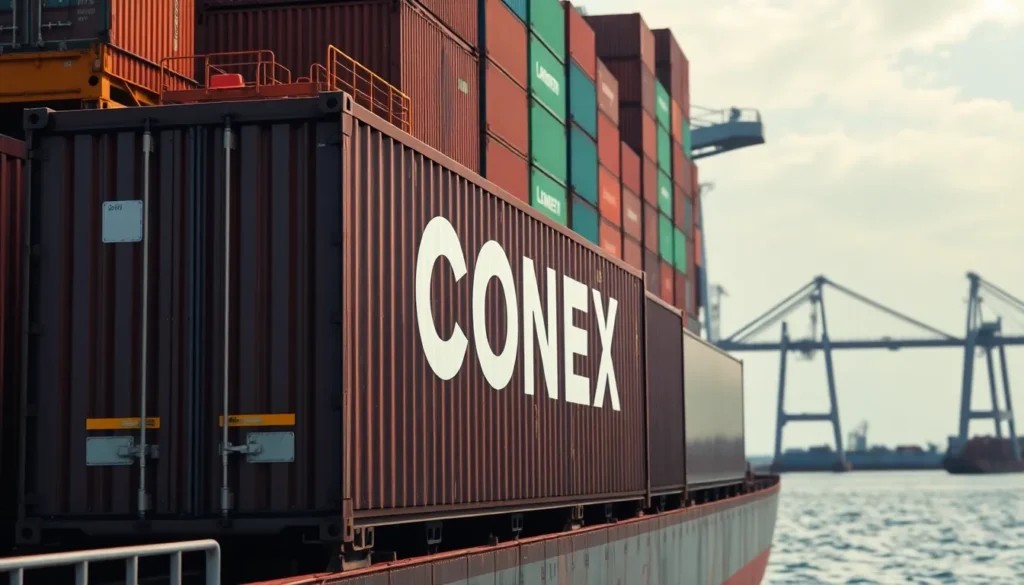
A Conex box, also known as a container box or shipping container, is a large, standardized, portable storage and shipping unit designed to facilitate the efficient transport of goods across various modes of transportation, including ships, trucks, and trains. The term “Conex” originated from “Container Express,” referring to the original military containers developed by the United States Army in the mid-20th century. These boxes are constructed primarily from steel and are designed to be weather-resistant, secure, and stackable, making them suitable for both temporary and long-term storage or transport.
Detailed Explanation
Conex boxes are typically rectangular in shape and come in standardized sizes, with the most common being 20 feet and 40 feet in length. Their design adheres to international standards set by organizations such as the International Organization for Standardization (ISO), ensuring compatibility with handling equipment worldwide. This standardization allows for seamless transfer between ships, trucks, and trains without unloading the contents.
Originally created to support military logistics, Conex boxes were intended to simplify the process of moving supplies to various locations efficiently and securely. Over time, their use expanded into commercial shipping and other industries, including construction, retail, and disaster relief operations. Their robust steel construction protects the contents from environmental hazards, theft, and damage during transit.
How It Works
A Conex box functions as a secure, self-contained unit for storing and transporting goods. The process of using a Conex box typically involves loading items into the container, securing the doors, and transporting the box via truck, rail, or ship. Special equipment such as cranes, forklifts, or reach stackers are used to handle the containers due to their size and weight.
The locking mechanisms on the doors ensure security, while the sealed design protects from moisture, dust, and pests. The ability to stack multiple containers optimizes space during storage and transportation, contributing to logistics efficiency. Additionally, Conex boxes can be modified with ventilation, insulation, or electrical fittings to suit specific needs.
Examples
- Military logistics: Transporting supplies and equipment to bases or conflict zones securely and efficiently.
- Commercial shipping: Moving consumer goods internationally via container ships and intermodal transport.
- Construction sites: Using Conex boxes as on-site tool storage or temporary office spaces.
- Disaster relief: Deploying Conex boxes to provide mobile storage and shelter in emergency situations.
- Retail and warehousing: Utilizing Conex boxes for additional storage capacity or pop-up retail spaces.
Pros and Cons
Pros:
- Durable and weather-resistant construction.
- Standardized sizes allow global compatibility.
- Secure and lockable to protect contents.
- Stackable, optimizing storage and transport space.
- Versatile for various industries and uses.
Cons:
- Heavy and requires specialized equipment to move.
- Limited insulation unless modified.
- Initial cost can be high for purchasing or leasing.
- Fixed dimensions may not suit all cargo types.
- Not always suitable for fragile or highly perishable goods without additional protection.
Comparison Table
| Aspect | Conex Box | Alternative: Traditional Freight Packaging |
|---|---|---|
| Meaning | Standardized, portable steel container for shipping and storage. | Varied packaging materials like crates, pallets, or boxes designed for specific cargo. |
| Durability | High; weather and impact resistant. | Varies; often less durable and less weather-resistant. |
| Handling | Requires cranes or forklifts. | Generally handled manually or with smaller equipment. |
| Security | Lockable and secure. | Often less secure, depends on packaging. |
| Standardization | Internationally standardized dimensions and fittings. | No universal standard; varies by product and region. |
Decision Checklist
- Use this if you need robust, secure, and weather-resistant storage or transport for goods over long distances.
- Avoid this if your cargo is very lightweight, fragile, or requires specialized climate control without modifications.
- Check this first if your logistics provider supports container handling and if the dimensions suit your cargo volume.
What is the easiest way to understand a Conex box?
The easiest way to understand a Conex box is to think of it as a large, steel shipping container that acts like a mobile storage unit. It can be loaded with goods, securely locked, and transported across different modes of transport worldwide without opening it, simplifying logistics and protecting the cargo inside.
FAQ
What does 'Conex' stand for?
Conex is short for 'Container Express,' a term originating from the U.S. military's development of standardized shipping containers for rapid deployment and logistics.
Are Conex boxes the same as shipping containers?
Yes, Conex boxes are a type of shipping container, originally used by the military, now widely used in commercial shipping and storage.
Can Conex boxes be modified for other uses?
Yes, Conex boxes can be customized with insulation, ventilation, electrical systems, and modifications to serve as offices, homes, or specialized storage units.




Leave a Reply