
Short Answer
Overview
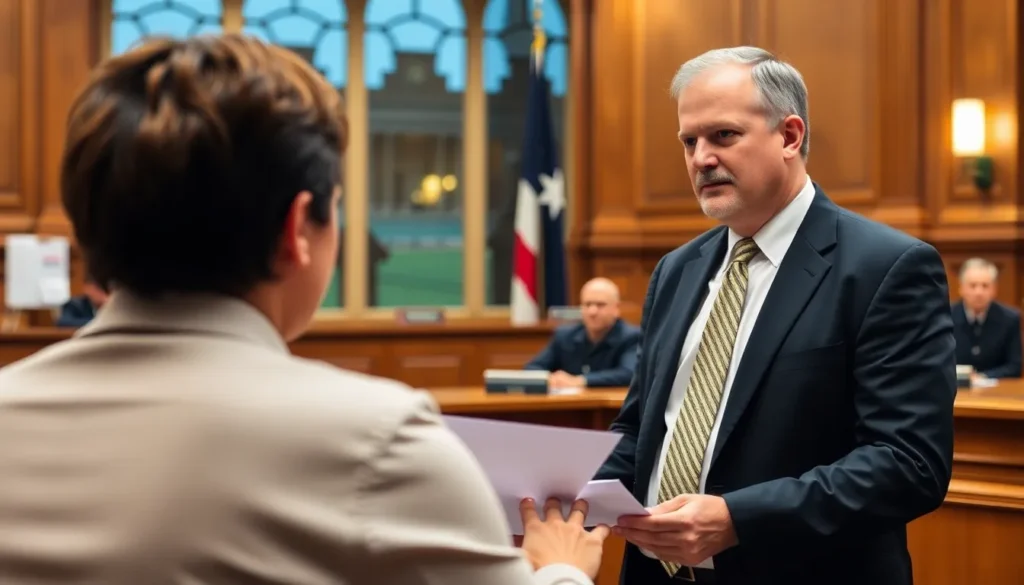
A Deputy District Attorney (DDA) is a government attorney who works under the office of the District Attorney (DA) to prosecute criminal cases on behalf of the state or local government. Typically employed at the county or district level, DDAs play a critical role in the criminal justice system by handling the investigation and prosecution of criminal offenses, ranging from misdemeanors to serious felonies.
Detailed Explanation
Deputy District Attorneys are licensed attorneys who have usually completed law school and passed the bar exam. Their primary function is to represent the public interest in criminal matters, ensuring that justice is served while protecting the rights of defendants. DDAs review evidence presented by law enforcement agencies, determine whether to file charges, and develop legal strategies for prosecuting cases. They collaborate with police, victims, witnesses, and other stakeholders throughout the legal process.
How It Works
When a crime is reported, law enforcement agencies conduct investigations and compile evidence. This information is then submitted to the District Attorney’s office, where a Deputy District Attorney evaluates the case. If sufficient evidence exists, the DDA files charges and proceeds to prosecute. This includes presenting the case in court, negotiating plea agreements, and making sentencing recommendations. DDAs must adhere to ethical standards and ensure that convictions are based on legally obtained evidence and sound legal principles.
Examples
- Felony Prosecution: A DDA prosecutes a case involving armed robbery, preparing the case for trial by gathering witness testimony and forensic evidence.
- Plea Bargaining: A DDA negotiates a plea deal with the defense attorney to resolve a burglary case without going to trial.
- Victim Advocacy: A DDA communicates with victims of domestic violence to inform them about the legal process and provide support during prosecution.
Why It Matters
Deputy District Attorneys are vital to the administration of criminal justice, ensuring that laws are enforced fairly and efficiently. Their work helps maintain public safety by holding offenders accountable and deterring crime. Additionally, DDAs balance the interests of society with the constitutional rights of defendants, contributing to the integrity and legitimacy of the legal system.
Common Misconceptions
Misconception: Deputy District Attorneys always seek the maximum penalty.
Correction: While DDAs aim to enforce the law, they often consider mitigating factors and may negotiate plea deals to achieve just outcomes.
Misconception: DDAs only work on high-profile criminal cases.
Correction: DDAs handle a wide range of cases, from minor offenses to serious felonies, depending on their jurisdiction and office assignment.
Pros and Cons
Pros:
- Opportunity to serve the public interest and uphold justice.
- Variety in legal work and courtroom experience.
- Ability to impact community safety and legal outcomes positively.
Cons:
- High-pressure environment with heavy caseloads.
- Emotional challenges related to criminal cases.
- Potential for ethical dilemmas and public scrutiny.
Comparison Table
| Aspect | Deputy District Attorney | Public Defender |
|---|---|---|
| Meaning | Prosecutor representing the government in criminal cases. | Attorney representing defendants who cannot afford private counsel. |
| Main Role | Initiates and conducts prosecution of criminal offenses. | Defends accused individuals against criminal charges. |
| Employment | Office of the District Attorney or equivalent government agency. | Public Defender’s office or assigned through court appointment. |
| Objective | Enforce laws and seek justice for the state and victims. | Protect the legal rights and interests of the accused. |
Decision Checklist
What is the easiest way to understand a Deputy District Attorney?
The easiest way to understand a Deputy District Attorney is to view them as government lawyers who act on behalf of the public to enforce criminal laws by prosecuting offenders in court and ensuring justice is served fairly and efficiently.
FAQ
What qualifications are needed to become a Deputy District Attorney?
Typically, one must have a law degree from an accredited law school, pass the state bar exam, and possess skills in legal research, analysis, and courtroom advocacy.
How does a Deputy District Attorney differ from a District Attorney?
A District Attorney is the chief prosecutor who oversees the office and often sets policy, while Deputy District Attorneys are subordinate attorneys who handle individual cases under the DA's supervision.
Can a Deputy District Attorney negotiate plea deals?
Yes, Deputy District Attorneys frequently negotiate plea agreements with defense attorneys to resolve cases without trial, balancing efficiency and justice.






Leave a Reply