
Short Answer
Overview
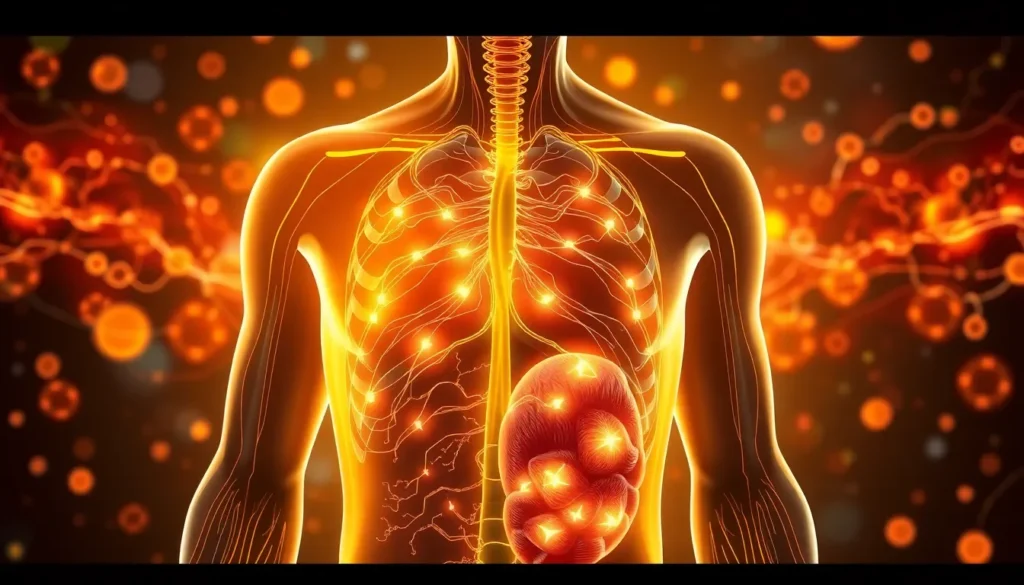
A fast metabolism describes a condition where an individual’s body burns calories at a quicker rate than average. Metabolism encompasses all chemical reactions involved in maintaining the living state of cells and the organism. The speed of metabolism affects how efficiently the body converts food into energy and uses that energy for bodily functions such as breathing, circulating blood, and physical activity. People with a fast metabolism typically require more calories to maintain their body weight and may have difficulty gaining weight.
Detailed Explanation
Metabolic rate is influenced by several factors including basal metabolic rate (BMR), physical activity, thermic effect of food, and adaptive thermogenesis. BMR accounts for the majority of daily energy expenditure and represents the energy used at rest to sustain vital functions. A fast metabolism often implies an elevated BMR, meaning the body uses more energy even when at rest. Genetics play a significant role in determining metabolic speed, with variations in hormone levels, muscle mass, and enzyme activity contributing to differences among individuals. Environmental factors such as diet, temperature, and lifestyle habits also impact metabolic rate.
How It Works
The metabolic process involves converting nutrients from food into usable energy in the form of adenosine triphosphate (ATP). In people with fast metabolisms, the rate at which biochemical processes occur is increased. This can be due to higher concentrations of thyroid hormones like thyroxine, which regulate metabolic activities. Muscle tissue, which requires more energy to maintain than fat tissue, contributes to a faster metabolic rate. Additionally, the sympathetic nervous system can stimulate metabolism through the release of catecholamines. The interplay of these factors results in more calories being burned to perform the same tasks compared to someone with a slower metabolism.
Examples
- Genetic Variability: Some individuals inherit genes that lead to increased thyroid hormone production, causing a faster metabolism.
- Physical Activity: Athletes or people with higher muscle mass typically have faster metabolic rates due to greater energy requirements for muscle maintenance.
- Age Differences: Younger individuals often have faster metabolisms compared to older adults, as metabolic rate tends to decline with age.
Why It Matters
Understanding metabolic rate is important for managing body weight, nutritional needs, and overall health. A fast metabolism can aid in weight maintenance or loss, but it may also require higher caloric intake to prevent unintentional weight loss or nutrient deficiencies. Conversely, recognizing a fast metabolism allows for tailored dietary and exercise plans to optimize health outcomes. It is also relevant in medical contexts, such as diagnosing metabolic disorders or thyroid conditions.
Common Misconceptions
Misconception: A fast metabolism means one can eat unlimited amounts of food without gaining weight.
Correction: While a fast metabolism burns calories more quickly, excessive caloric intake can still lead to weight gain. Metabolism is only one factor influencing body weight.
Misconception: Metabolism speed is fixed and cannot be changed.
Correction: Although genetics influence metabolic rate, lifestyle factors such as diet, exercise, and sleep can modulate metabolism to some extent.
Pros and Cons
Comparison Table
| Aspect | Fast Metabolism | Slow Metabolism |
|---|---|---|
| Meaning | Higher rate of energy expenditure and calorie burning. | Lower rate of energy expenditure and slower calorie burning. |
| Calorie Requirements | Higher caloric intake needed to maintain weight. | Lower caloric intake needed to avoid weight gain. |
| Body Weight Impact | Tends toward leaner body composition. | Tends toward easier weight gain. |
| Influencing Factors | Higher thyroid hormone levels, more muscle mass. | Lower hormone levels, less muscle mass. |
Decision Checklist
- Use this if: You want to understand why you may burn calories faster and require more energy.
- Avoid this if: You assume metabolism alone dictates body weight without considering diet and activity.
- Check this first: Whether your metabolic rate is influenced by medical conditions such as hyperthyroidism.
What is the easiest way to understand a Fast Metabolism?
Think of metabolism as the body’s engine that burns fuel (calories). A fast metabolism means this engine runs more quickly, using up fuel at a higher rate even when at rest. This explains why some people can eat more without gaining weight, while others may need fewer calories to maintain their weight.
FAQ
Can metabolism speed be changed?
While genetics largely determine metabolism speed, factors like increased muscle mass, physical activity, and certain dietary habits can modestly increase metabolic rate.
Does a fast metabolism mean I can eat anything without gaining weight?
No. Although a fast metabolism burns calories more quickly, consuming significantly more calories than the body needs will still result in weight gain.
How does age affect metabolism?
Metabolic rate generally decreases with age due to loss of muscle mass and hormonal changes, leading to lower energy expenditure.




Leave a Reply