
Short Answer
Overview
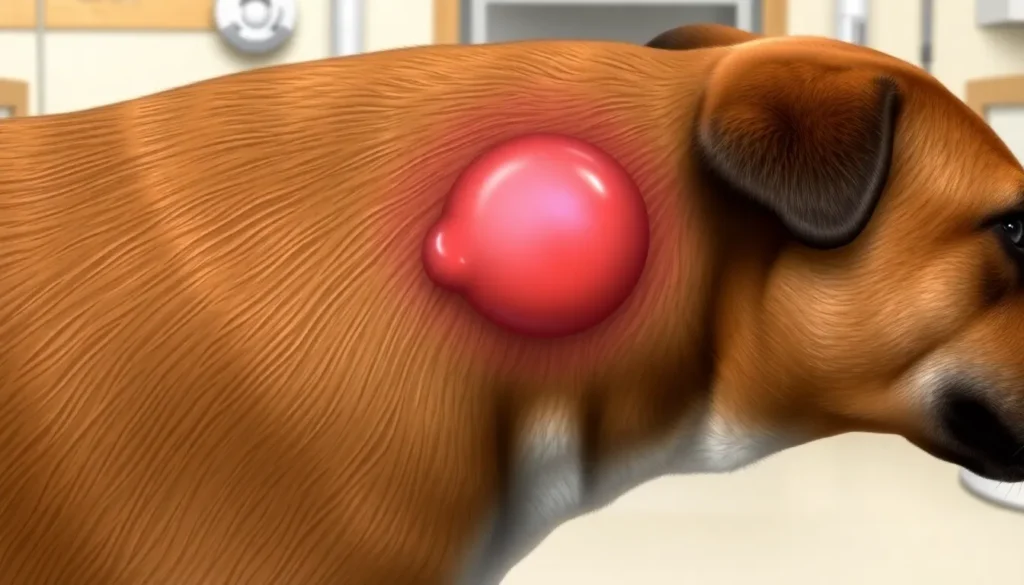
A hot spot, medically known as acute moist dermatitis, is a common skin condition in dogs characterized by a localized area of inflamed, infected skin. These lesions typically appear suddenly and can rapidly worsen if untreated. Hot spots are often red, moist, painful, and itchy, causing discomfort to the affected dog. They may result in hair loss and discharge due to bacterial infection secondary to skin trauma. This condition is prevalent across many dog breeds and ages, especially in those with thick or long coats.
Detailed Explanation
Hot spots occur when a dog’s skin becomes irritated and the dog scratches, licks, or bites the area excessively. This behavior compromises the skin barrier, allowing bacteria—commonly Staphylococcus species—to penetrate and cause infection. The infection leads to inflammation, which triggers further itching and irritation, creating a vicious cycle.
Several factors contribute to the development of hot spots, including insect bites, allergies (environmental or food-related), ear infections, matted fur, poor grooming, moisture trapped under the coat, and underlying health issues such as flea infestations or hormonal imbalances. Dogs with thick undercoats or those living in humid climates are at increased risk because moisture can become trapped close to the skin.
How It Works
The development of a hot spot typically begins with an initial irritant that causes localized itching or discomfort. The dog responds by scratching, licking, or chewing the skin, which damages the skin’s protective barrier. This damage allows opportunistic bacteria on the skin surface to invade and multiply, leading to infection.
The bacterial infection causes inflammation characterized by redness, swelling, heat, and pain. The affected area often becomes moist due to oozing fluids, which further exacerbates skin damage and sustains the cycle of irritation and infection. The dog’s licking and chewing exacerbate the lesion, expanding the hot spot in size and severity.
If left untreated, hot spots can become very painful and may lead to deeper infections or systemic illness. Prompt veterinary care is often necessary to break this cycle and promote healing.
Examples
- Example 1: A golden retriever develops a hot spot on its neck after repeatedly scratching an area irritated by flea bites. The lesion appears red, moist, and hairless, with the dog showing signs of discomfort.
- Example 2: A husky living in a humid environment develops a hot spot under its thick fur. The trapped moisture causes skin irritation, which leads to persistent licking and a rapidly spreading sore.
- Example 3: A dog with seasonal allergies scratches its flank intensely, resulting in a hot spot that quickly becomes infected and requires medical treatment.
Why It Matters
Hot spots are important to recognize and address promptly because they cause significant discomfort and pain to dogs. Left untreated, these lesions can worsen quickly, leading to more extensive skin infections and secondary complications. Understanding the causes and treatment of hot spots helps pet owners provide timely care, prevent recurrence, and improve the overall health and welfare of their dogs.
Common Misconceptions
Misconception: Hot spots are contagious to other dogs or humans.
Correction: Hot spots themselves are not contagious; they result from localized infections related to individual skin trauma and irritation. However, underlying causes like fleas can spread between animals.
Misconception: Hot spots will heal on their own without treatment.
Correction: Hot spots often worsen without proper treatment, as the dog continues to irritate the area. Veterinary intervention is typically necessary to control infection and inflammation.
Pros and Cons
Pros:
- Early identification of hot spots can lead to prompt treatment, preventing further complications.
- Understanding hot spots can improve awareness of underlying health issues like allergies or parasites.
Cons:
- Hot spots cause significant discomfort and pain to dogs.
- They can spread rapidly and require veterinary care, which can be costly and time-consuming.
- Recurrent hot spots may indicate chronic health problems needing ongoing management.
Comparison Table
| Aspect | Hot Spot on a Dog | Other Skin Conditions (e.g., Mange) |
|---|---|---|
| Meaning | Localized, acute moist dermatitis caused by bacterial infection secondary to skin trauma. | A parasitic skin condition caused by mites, leading to hair loss and itching. |
| Cause | Scratching, licking, or biting due to irritation or allergies causing bacterial infection. | Infestation by mange mites (Sarcoptes or Demodex species). |
| Symptoms | Red, moist, painful lesions with hair loss and oozing. | Hair loss, scaling, redness, and sometimes crusting or thickened skin. |
Decision Checklist
What is the easiest way to understand a hot spot on a dog?
The easiest way to understand a hot spot is to think of it as a small, irritated patch of skin that becomes infected because the dog keeps scratching or licking it. This leads to redness, moisture, and discomfort in a localized area that can worsen quickly if not treated.
FAQ
What causes hot spots on dogs?
Hot spots are caused by localized skin irritation that leads dogs to lick, scratch, or bite the area excessively, allowing bacteria to infect the damaged skin.
How are hot spots treated in dogs?
Treatment typically involves cleaning the affected area, using antibiotics or anti-inflammatory medications prescribed by a veterinarian, and addressing any underlying causes like fleas or allergies.
Can hot spots be prevented?
Yes, prevention includes regular grooming, controlling fleas and allergies, keeping the dog's skin dry, and promptly treating any skin irritations.





Leave a Reply