
Short Answer
Overview
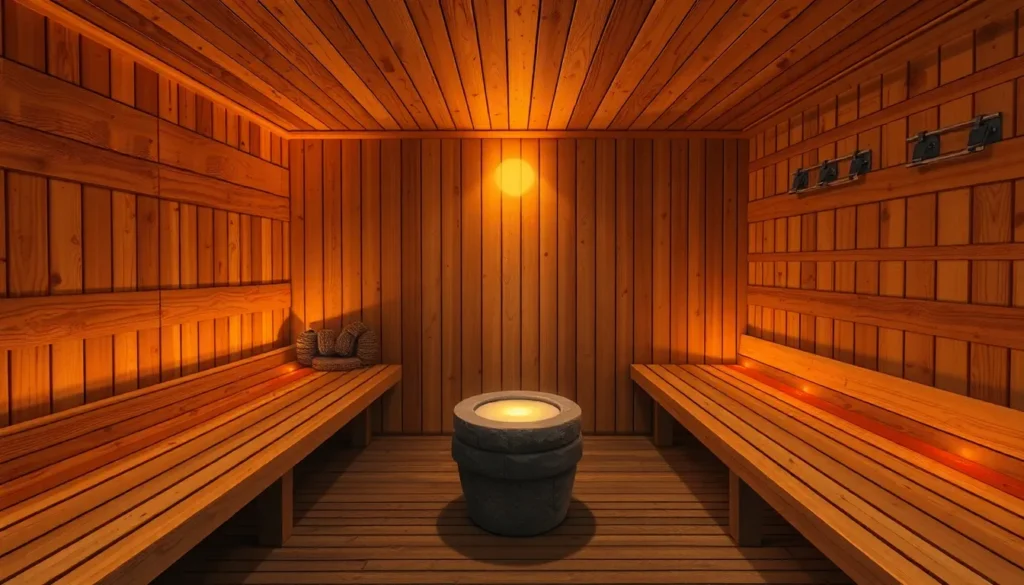
A dry sauna is a small room or enclosure designed to provide dry heat sessions at elevated temperatures, usually ranging from 70°C to 100°C (158°F to 212°F). It typically features wooden interiors and is heated by electrical heaters or wood-burning stoves that warm the air without generating significant moisture. Dry saunas are utilized for relaxation, muscle recovery, and various wellness purposes.
Detailed Explanation
Dry saunas differ from other types of saunas primarily in their humidity levels. While traditional steam or Finnish saunas may allow for some humidity through water being poured onto heated stones, dry saunas usually maintain very low humidity, often below 10%. This dry heat environment can induce sweating and elevate heart rate, simulating mild cardiovascular exercise effects. The construction of dry saunas often uses softwoods such as cedar or spruce, chosen for their heat resistance and pleasant aroma.
How It Works
Dry saunas operate by heating a set of stones or heating elements inside the sauna room. The heat radiates into the air and is absorbed by the wood surfaces and occupants. Since moisture is minimal, the air remains dry, which influences the body’s sweating mechanism and heat perception. The lack of humidity allows the sauna to reach higher temperatures without becoming overwhelmingly uncomfortable. Users typically sit or lie on wooden benches inside the sauna for sessions lasting between 5 to 20 minutes, followed by cooling periods.
Examples
- Traditional Finnish sauna: A classic example of a dry sauna using a wood-burning stove and heated stones.
- Electric dry sauna: A modern variant that uses electric heaters controlled by thermostats for precise temperature regulation.
- Portable dry sauna tents: Compact, often foldable enclosures designed for personal use at home, employing infrared heaters to produce dry heat.
Pros and Cons
- Pros: Effective heat therapy, promotes relaxation, improves circulation, low humidity reduces mold and mildew risk, often easier to maintain.
- Cons: Can cause dehydration if fluids are not replenished, may be uncomfortable for those sensitive to high temperatures, not suitable for individuals with certain medical conditions without consultation.
Comparison Table
| Aspect | Dry Sauna | Steam Sauna |
|---|---|---|
| Meaning | Sauna providing dry heat with low humidity | Sauna producing moist heat with high humidity |
| Typical Temperature | 70°C to 100°C (158°F – 212°F) | 40°C to 50°C (104°F – 122°F) |
| Humidity Level | Low (below 10%) | High (up to 100%) |
| Heating Source | Electric heaters or wood stove heating stones | Steam generator that injects moisture |
Decision Checklist
- Use this if you prefer high heat with low humidity and want a dry, intense heat experience.
- Avoid this if you have respiratory issues aggravated by dry air or prefer moist heat environments.
- Check this first if you have cardiovascular or skin conditions that may be affected by heat exposure.
What is the easiest way to understand Dry Sauna?
A dry sauna is best understood as a heated room where dry air creates intense heat, causing the body to sweat without added moisture, unlike steam baths which use humid heat.
FAQ
How hot does a dry sauna get?
Dry saunas typically operate between 70°C and 100°C (158°F to 212°F), with some variation depending on design and user preference.
Is it safe to use a dry sauna daily?
Most healthy adults can safely use a dry sauna daily or several times a week, but it is important to stay hydrated and consult a healthcare provider if there are any underlying health concerns.
What are the main differences between dry and steam saunas?
The main differences are humidity and temperature: dry saunas maintain low humidity and higher temperatures, while steam saunas have high humidity and lower temperatures.






Leave a Reply