
Short Answer
Overview
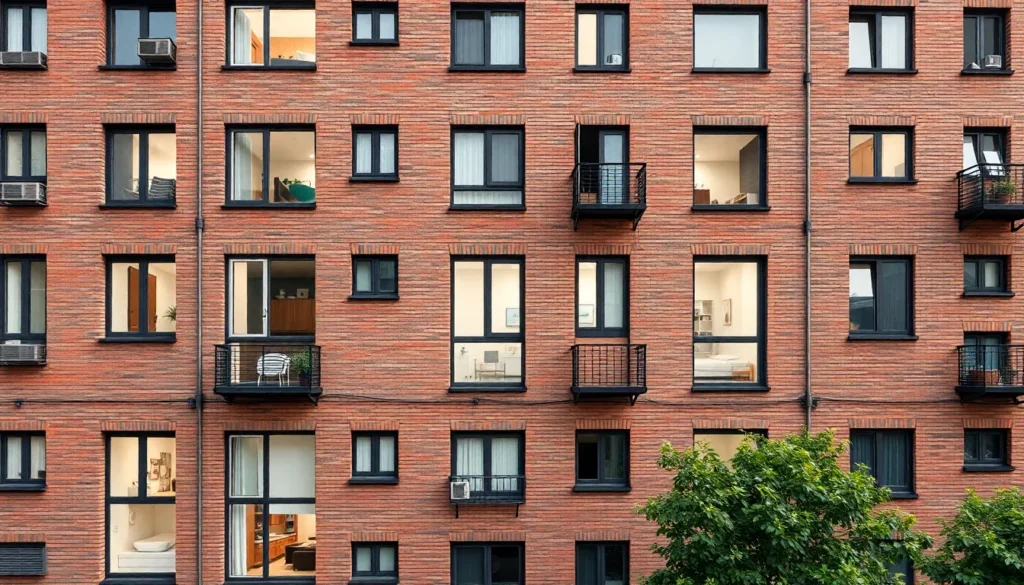
A House in Multiple Occupation (HMO) is a type of residential property in which three or more tenants, forming more than one household, share basic amenities such as a kitchen, bathroom, or toilet facilities. HMOs are commonly found in urban areas and are often used to provide affordable housing options for students, workers, or individuals seeking shared living arrangements. The term and its regulation vary by jurisdiction, with specific legal definitions and licensing requirements established to ensure safety and standards.
Detailed Explanation
The classification of a property as an HMO depends on several factors, including the number of occupants, the number of separate households, and the sharing of facilities. A household typically consists of people living together as a family or cohabiting partners. In contrast, tenants who are unrelated and occupy separate rooms are considered different households.
HMOs can range from small shared houses to larger converted buildings such as purpose-built student accommodation. Due to the increased risk associated with shared living, many countries enforce specific safety standards, including fire safety, adequate amenities, and proper maintenance.

Licensing schemes often apply to HMOs to regulate property standards and protect tenants. For example, in England and Wales, a mandatory HMO license is required for properties rented to five or more tenants forming more than one household, sharing facilities. Local authorities may also impose additional conditions or require licenses for smaller HMOs.
How It Works
Owners or landlords of HMOs must comply with relevant legal and safety requirements, which typically include obtaining a license, ensuring the property meets health and safety standards, and providing adequate facilities such as bathrooms and cooking areas. The licensing process usually involves an inspection by the local authority to verify compliance.
Tenants in HMOs usually sign separate tenancy agreements but share common areas. The landlord is responsible for maintaining communal spaces and ensuring the overall property safety. Rent is often charged per room rather than per property.
Management of HMOs may be more complex than single-family rentals due to the number of occupants and shared facilities. Effective communication and clear rules are important to ensure harmonious living arrangements and compliance with regulations.
Examples
- A converted terraced house in a university town rented out to six students, each occupying a separate bedroom and sharing two bathrooms and a communal kitchen.
- A large Victorian house converted into multiple single-occupancy rooms for workers, sharing communal facilities such as a lounge and kitchen.
- A purpose-built HMO block with individual bedrooms and shared amenities designed specifically for shared living.
Pros and Cons
- Pros: Provides affordable housing options; efficient use of larger properties; fosters community living; can generate higher rental yields for landlords.
- Cons: Increased management complexity; potential for conflicts among tenants; heightened regulatory and safety requirements; possible impact on neighborhood due to higher occupancy density.
Comparison Table
| Aspect | House in Multiple Occupation (HMO) | Single-Family Home |
|---|---|---|
| Meaning | Property rented to three or more tenants forming more than one household sharing facilities | Property rented or owned by a single household |
| Occupants | Multiple unrelated tenants | One family or household |
| Facilities | Shared amenities such as kitchen and bathroom | Private amenities for the household |
| Regulation | Subject to licensing and safety regulations in many jurisdictions | Generally fewer regulatory requirements |
Decision Checklist
- Use this if you want to provide affordable shared housing or maximize rental income from a property.
- Avoid this if you prefer simpler property management or wish to rent to a single household only.
- Check this first your local authority’s licensing requirements and safety standards applicable to HMOs.
What is the easiest way to understand a House in Multiple Occupation?
The easiest way to understand an HMO is to think of it as a shared house where several unrelated people live together, each having their own private room but sharing common facilities like kitchens and bathrooms. It is different from a typical single-family home because it caters to multiple households under one roof.
FAQ
What qualifies a property as an HMO?
A property is classified as an HMO if it is rented to three or more tenants forming more than one household and sharing basic amenities such as bathrooms or kitchens.
Are HMOs regulated by law?
Yes, many jurisdictions require HMOs to be licensed and meet specific safety and management standards to protect tenants.
Can landlords rent to multiple tenants without an HMO license?
It depends on local laws; in some areas, a license is mandatory when certain criteria are met, such as the number of tenants or property size.



Leave a Reply