
Short Answer
Overview
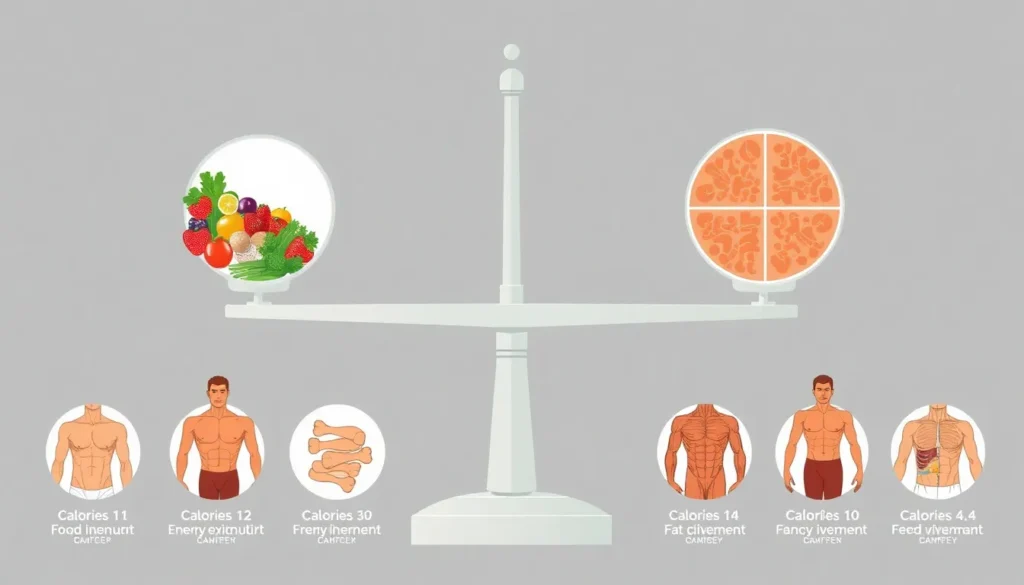
A calorie surplus refers to a state in which a person consumes more calories through food and drink than their body uses for energy expenditure. This excess energy is stored by the body, primarily as fat or muscle tissue, depending on various factors such as diet composition, physical activity, and metabolism. Calorie surplus is a key concept in nutrition and fitness, often utilized intentionally to promote weight gain or muscle hypertrophy.
Detailed Explanation
Calories are units of energy derived from macronutrients: carbohydrates, proteins, and fats. The body requires a certain number of calories daily to maintain basal metabolic functions, physical activity, and digestion, collectively known as total daily energy expenditure (TDEE). When caloric intake exceeds TDEE, the surplus energy is stored, leading to an increase in body mass.
How It Works
When consuming a calorie surplus, the body processes the excess nutrients and stores them. If the surplus is moderate and combined with resistance training, much of the surplus calories can contribute to muscle growth by providing the necessary energy and building blocks for repair and growth. Conversely, if the surplus is large or paired with sedentary behavior, the excess energy is more likely to be stored as adipose tissue (body fat).
Examples
- Muscle Building: A person aiming to gain muscle mass may consume 250-500 calories above their TDEE daily while engaging in strength training.
- Weight Gain: An individual recovering from illness or underweight may intentionally eat more calories than they burn to restore body weight.
- Overeating: Consuming excess calories without increased physical activity can lead to fat accumulation and potentially obesity.
Pros and Cons
- Pros: Supports muscle growth, aids recovery from illness or injury, can improve energy levels.
- Cons: Risk of excessive fat gain, potential negative metabolic effects if unmanaged, may contribute to long-term health issues if sustained improperly.
Comparison Table
| Aspect | Calorie Surplus | Calorie Deficit |
|---|---|---|
| Meaning | Consuming more calories than expended | Consuming fewer calories than expended |
| Primary Effect | Weight gain, muscle growth | Weight loss, fat reduction |
| Common Use | Bulking, recovery | Fat loss, dieting |
| Risk | Excess fat gain if not managed | Muscle loss if extreme |
Decision Checklist
- Use this if: You want to gain muscle mass or recover weight healthily.
- Avoid this if: You are aiming to lose fat or prevent weight gain.
- Check this first: Your total daily energy expenditure and dietary needs before increasing calorie intake.
What is the easiest way to understand Calorie Surplus?
The simplest way to understand a calorie surplus is to think of it as eating more energy than your body uses in a day. Imagine your body as a bank account: if you deposit more money (calories) than you withdraw (energy used), your balance (body weight) increases.
FAQ
What happens if I stay in a calorie surplus for a long time?
Prolonged calorie surplus typically leads to weight gain, which can be muscle if combined with resistance training or fat if physical activity is low or the surplus is excessive.
How many calories should I consume to be in a surplus?
A common recommendation for muscle gain is to consume 250-500 calories above your total daily energy expenditure, but this varies based on individual factors.
Can a calorie surplus be unhealthy?
Yes, an unmanaged or excessive calorie surplus can lead to unhealthy fat gain, increased risk of metabolic diseases, and other health issues.





Leave a Reply