
Short Answer
Overview
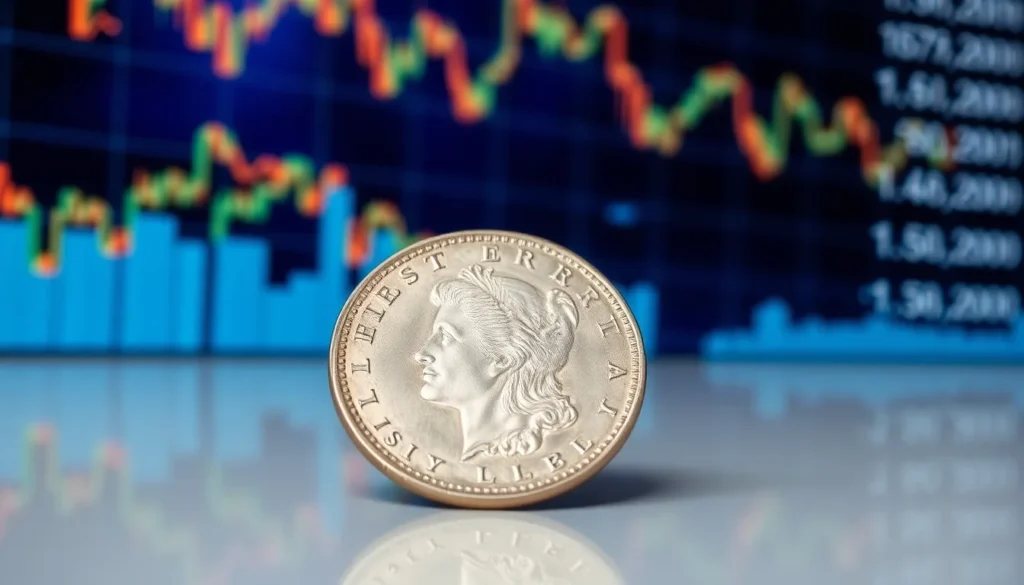
A silver dollar is a coin that typically contains a significant amount of silver and has been issued in various forms by the United States and other countries. Its worth can vary widely based on several factors including metal content, age, mint mark, condition, and rarity. Some silver dollars have value close to their silver content, while others are prized by collectors and command premiums well above the intrinsic metal value.
Detailed Explanation
Silver dollars from the United States, such as the Morgan and Peace dollars, were minted primarily in the late 19th and early 20th centuries. These coins contain approximately 0.77344 troy ounces of pure silver. The spot price of silver thus sets a baseline value for these coins. Beyond metal content, collectors consider the coin’s condition or grade, mint mark (which indicates the mint where the coin was produced), year of issue, and rarity. Coins with errors, limited mintages, or historical importance may be worth significantly more than their metal value.
How It Works
The valuation process for a silver dollar typically begins with identifying the coin type and verifying its authenticity. The next step involves checking the silver spot price to estimate the melt value. Then, collectors or appraisers assess the coin’s condition using grading standards such as those set by the Professional Coin Grading Service (PCGS) or Numismatic Guaranty Corporation (NGC). Coins in higher grades (e.g., Mint State or Proof condition) usually command higher prices. Lastly, market demand and rarity influence the final worth, which can fluctuate over time.
Examples
- Morgan Silver Dollar (1878–1921): Typically worth between $20 and several hundred dollars depending on condition and rarity.
- Peace Silver Dollar (1921–1935): Usually valued around $25 to several thousand dollars for rarer dates and mint marks.
- 1946 Silver Dollar: Contains silver but is generally worth only slightly above melt value due to large mintages.
Pros and Cons
- Pros: Silver dollars can serve as investment vehicles benefiting from both metal value and numismatic premiums; they represent historical artifacts and collectible items.
- Cons: Market prices can be volatile; grading and authentication require expertise; some coins may have damage or cleaning that reduces value.
Comparison Table
| Aspect | Silver Dollar | Alternative/Related Topic |
|---|---|---|
| Meaning | A coin with significant silver content, historically used as currency and now often collected. | Silver Bullion Coin: Primarily valued for metal content rather than numismatic significance. |
| Value Determinants | Silver content, rarity, condition, mint mark, historical significance. | Spot silver price and purity. |
| Typical Usage | Collecting, investing, historical interest. | Investment in silver as a commodity. |
Decision Checklist
- Use this if: You want to collect historically significant coins or invest with potential numismatic premiums.
- Avoid this if: You are only interested in silver bullion without concern for collectibility or historical value.
- Check this first: The coin’s authenticity, grade, and current silver spot price before assessing worth.
What is the easiest way to understand what a silver dollar is worth?
The simplest approach is to start with the current silver price to determine the melt value, then consult coin price guides or professional appraisers to account for condition, rarity, and other numismatic factors. This combined evaluation provides a realistic estimate of a silver dollar’s worth.
FAQ
Are all silver dollars worth more than their silver content?
Not all silver dollars are worth more than their silver content. Common dates in circulated condition often trade close to their silver melt value, while rare dates or coins in exceptional condition can have much higher premiums.
How can I verify if my silver dollar is authentic?
Authentication can be done through professional coin grading services, which use expert analysis and technology to confirm authenticity and condition. Visual inspection for weight, dimensions, and design details can also help detect counterfeits.
Does the mint mark affect the value of a silver dollar?
Yes, the mint mark indicating where a coin was produced can significantly influence its rarity and value. Some mint marks are rarer and thus more sought after by collectors, increasing the coin’s worth.


Leave a Reply