
Short Answer
Overview
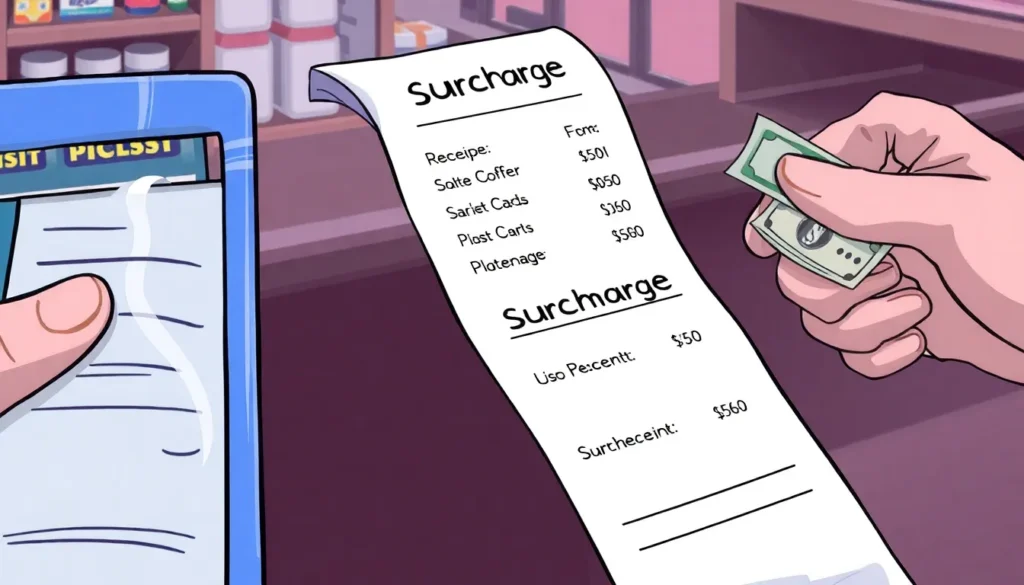
A surcharge fee is an additional charge added to the original cost of a product or service. This fee is typically imposed to cover expenses that the seller or service provider incurs beyond the base price, such as administrative costs, payment processing fees, or increased operational costs during peak periods. Surcharges are distinct from taxes or mandatory fees imposed by governments, as they are set by businesses or organizations to recoup specific costs.
Detailed Explanation
Surcharges function as a financial tool that allows businesses to pass on certain costs to customers without raising the advertised or base price. They may be fixed amounts or calculated as a percentage of the total transaction. Common reasons for applying surcharge fees include credit card transaction fees, fuel price increases, holiday or weekend premiums, and regulatory compliance costs.
Unlike discounts or rebates, which reduce the price paid by consumers, surcharges increase the final amount. The application and disclosure of surcharges often vary by jurisdiction, with some regions requiring explicit notification to consumers and others regulating or limiting the use of such fees.
How It Works
When a surcharge fee is applied, it is added to the payment total at checkout or invoicing. For example, if a retailer charges a 3% surcharge on credit card payments, a $100 purchase would incur an additional $3 fee, making the total $103. The fee compensates the retailer for costs associated with processing the payment through the credit card network.
Businesses calculate surcharges based on their cost structure and market conditions. Some surcharges are dynamic, fluctuating with external factors like fuel prices or currency exchange rates. Others are fixed fees intended to cover administrative or environmental costs.
Examples
- Retail and Services: Many retailers implement surcharges on credit card payments to offset fees charged by payment processors.
- Travel Industry: Airlines and hotels may add surcharges during peak seasons or for additional services such as baggage handling or resort fees.
- Utilities and Energy: Energy providers sometimes add fuel surcharges to account for volatility in fuel prices impacting operational costs.
Why It Matters
Surcharge fees affect both consumers and businesses by influencing purchasing decisions and pricing transparency. For consumers, awareness of surcharges helps in understanding the total cost of goods or services and comparing options effectively. For businesses, surcharges provide a method to manage rising operational costs without altering base prices, which can be critical in competitive markets.
Common Misconceptions
Misconception: Surcharge fees are the same as taxes.
Correction: Surcharges are additional charges imposed by businesses to cover specific costs, while taxes are mandatory fees levied by governments.
Misconception: Surcharges are illegal or unethical.
Correction: While regulated in some areas, surcharges are a legal and common business practice when properly disclosed.
Pros and Cons
Pros: Allows businesses to recover extra costs without permanently raising prices; provides transparency about additional fees; can be adjusted dynamically based on costs.
Cons: May confuse or frustrate consumers if not clearly disclosed; can increase the total cost unexpectedly; sometimes perceived as hidden fees.
Comparison Table
| Aspect | Surcharge Fee | Alternative/Related Topic |
|---|---|---|
| Meaning | An additional charge added to the base price to cover extra costs. | Tax: A mandatory government-imposed fee on goods or services. |
| Purpose | Offset specific business expenses or fluctuating costs. | Discount: A reduction in price to incentivize sales or reward customers. |
| Disclosure | Often requires clear notification but varies by jurisdiction. | Hidden Fee: Charges not clearly disclosed to consumers beforehand. |
Decision Checklist
What is the easiest way to understand a surcharge fee?
The easiest way to understand a surcharge fee is to think of it as a separate, extra cost added on top of the regular price to cover specific expenses that the seller incurs. It’s like a small, additional charge that helps businesses manage costs that aren’t included in the base price.
FAQ
Are surcharge fees legal?
Surcharge fees are legal in many jurisdictions but must comply with local regulations and consumer protection laws. Some regions restrict or regulate their use, requiring clear disclosure to customers.
How do surcharges differ from taxes?
Taxes are mandatory fees imposed by governments, whereas surcharges are additional charges businesses add to cover specific costs. Taxes fund public services, while surcharges reimburse operational expenses.
Can surcharge fees be avoided?
Consumers can sometimes avoid surcharges by choosing alternative payment methods or purchasing during non-peak times. However, this depends on the business’s policies and the nature of the surcharge.





Leave a Reply