
Short Answer
Overview
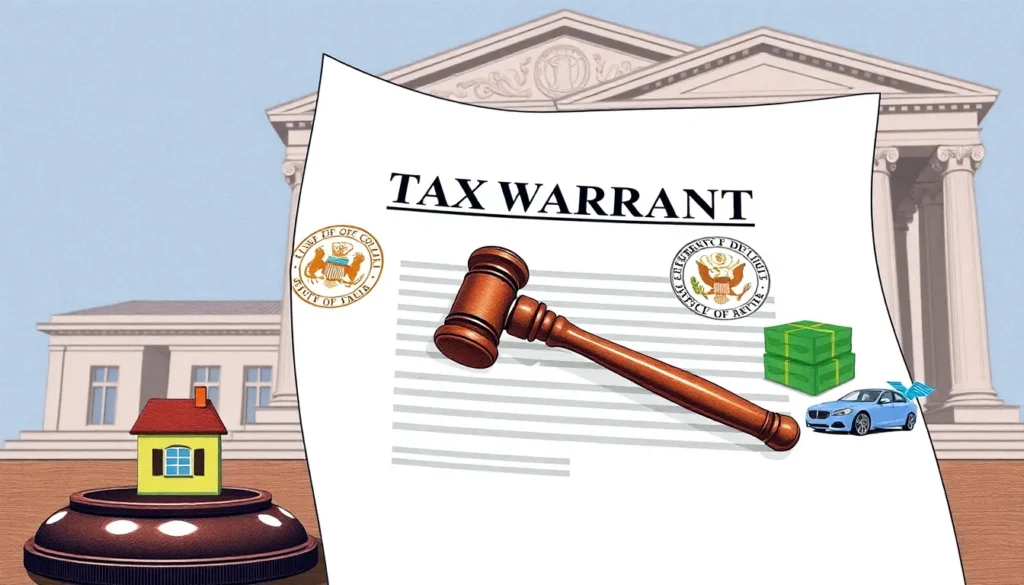
A tax warrant is an official document issued by a government tax authority that authorizes the collection of delinquent taxes from an individual or business. It acts as a legal claim against the taxpayer’s assets, enabling the government to pursue enforcement actions such as seizing property, garnishing wages, or placing liens to recover unpaid tax liabilities. Tax warrants are part of the broader tax enforcement process aimed at ensuring compliance with tax laws and recovering owed revenues.
Detailed Explanation
Tax warrants arise when a taxpayer fails to pay taxes owed within the required timeframe. After attempts to notify and collect the outstanding amount, the tax authority may issue a warrant to formalize the claim. This warrant serves as an official order that authorizes specific enforcement measures. The scope and procedures related to tax warrants vary depending on jurisdiction and the type of tax involved, such as income tax, property tax, or business tax.
The issuance of a tax warrant usually follows a series of administrative steps, including assessment of tax owed, notification to the taxpayer, and failure to respond or pay. The warrant provides legal backing for the government to take action against the taxpayer’s assets, potentially including bank accounts, real estate, vehicles, or other valuable property.
How It Works
Once a tax warrant is issued, it typically initiates one or more enforcement actions. These may include:
- Seizure of assets: Authorities may confiscate property or valuables to satisfy the debt.
- Wage garnishment: A portion of the taxpayer’s wages can be withheld directly from their employer.
- Bank account levies: Funds in bank accounts may be frozen or withdrawn.
- Liens: The government may place a lien on property, creating a legal claim that affects the ability to sell or refinance the asset until taxes are paid.
The taxpayer is generally given notice of the warrant and may have opportunities to dispute the claim or arrange payment plans. However, failure to address the warrant can result in escalating enforcement actions and additional penalties or interest.
Examples
- Income Tax Warrant: A state tax agency issues a warrant after a taxpayer fails to pay their state income taxes, allowing the agency to garnish wages or seize bank accounts.
- Property Tax Warrant: A local government issues a warrant for unpaid property taxes, enabling it to initiate a tax sale or foreclosure on the property.
- Business Tax Warrant: A business that has not paid its sales or corporate taxes receives a warrant allowing tax authorities to levy business assets or freeze accounts.
Pros and Cons
Pros:
- Provides a legal mechanism for governments to enforce tax collection.
- Helps maintain public revenue streams necessary for government operations.
- Encourages compliance with tax laws.
Cons:
- Can cause significant financial hardship for taxpayers, especially if enforcement is aggressive.
- May lead to loss of property or assets if taxes remain unpaid.
- Potential for administrative errors or disputes that complicate enforcement.
Comparison Table
| Aspect | Tax Warrant | Tax Lien |
|---|---|---|
| Meaning | A legal order authorizing collection actions against unpaid taxes. | A legal claim against property as security for unpaid taxes. |
| Scope | Authorizes seizure, garnishment, or other enforcement measures. | Creates a claim that affects property ownership or sale. |
| Common Usage | Used to initiate direct collection actions. | Used to secure government’s interest in property. |
Decision Checklist
- Use this if: You have unpaid taxes and have been notified by tax authorities of enforcement actions.
- Avoid this if: You have resolved your tax debts or are in a payment plan that prevents enforcement.
- Check this first: Confirm the legitimacy of the warrant and understand your rights and obligations under local tax laws.
What is the easiest way to understand Tax Warrants?
A tax warrant can be understood as a government-issued legal document that empowers tax authorities to collect unpaid taxes through enforcement actions such as seizing assets or garnishing wages. It is essentially a formal step in the tax collection process when voluntary payment has not been made.
FAQ
What happens after a tax warrant is issued?
After issuance, the tax authority may begin enforcement actions such as asset seizure or wage garnishment to collect unpaid taxes.
Can a tax warrant be contested?
Yes, taxpayers often have the right to dispute the warrant or negotiate payment arrangements before enforcement escalates.
Is a tax warrant the same as a tax lien?
No. A tax warrant authorizes collection actions, while a tax lien is a legal claim against property securing the tax debt.






Leave a Reply