
Short Answer
Overview
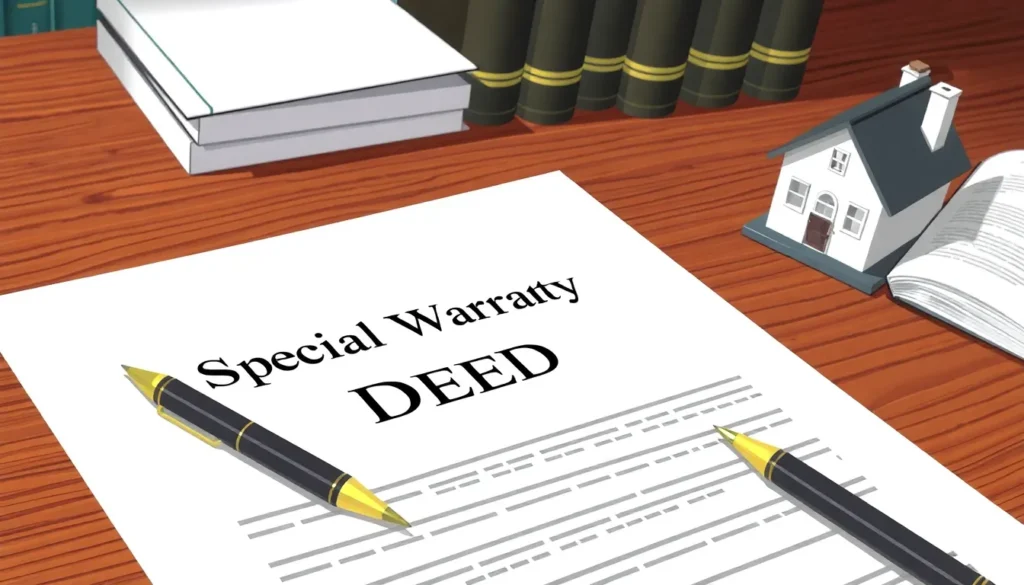
A special warranty deed is a type of real estate deed used to transfer ownership of property. Unlike a general warranty deed, it offers limited guarantees by warranting only that the grantor has not caused any title defects during their ownership. This means the grantor assures the buyer that they hold clear title to the property and have not encumbered it, but the warranty does not cover any issues that existed prior to their ownership.
Detailed Explanation
In real estate law, a deed is a legal instrument that conveys ownership of property from one party (the grantor) to another (the grantee). A special warranty deed includes specific covenants or promises from the grantor that protect the grantee against claims or defects in title that arise solely from the grantor’s actions or omissions.
These covenants generally include assurances that the grantor has not conveyed the property to anyone else, has not imposed any undisclosed liens or encumbrances, and will defend the title against claims caused by their own acts. However, the grantor does not guarantee the title against defects or claims that existed before they acquired the property.
This limited scope distinguishes the special warranty deed from the more comprehensive general warranty deed, which guarantees against all title defects, regardless of when they arose.
How It Works
When a property is sold using a special warranty deed, the grantor transfers ownership with the following conditions:
- The grantor warrants that they have not done anything to impair the title during their period of ownership.
- The grantor promises to defend the grantee against any claims resulting from their actions.
- No guarantees are made about title defects that may have existed before the grantor’s ownership.
In practice, this means if a title problem emerges that originated before the grantor acquired the property, the grantee has no recourse against the grantor under this deed. Title insurance is often recommended to cover these potential unknown risks.
Examples
- Commercial Property Sale: A company sells a commercial building it has owned for several years. The special warranty deed assures the buyer that no liens or claims were placed on the property by the company during its ownership but does not cover prior claims.
- Foreclosure Sale: A lender sells foreclosed property using a special warranty deed, warranting only that the lender did not cause title defects during its possession, which is usually short-term.
- Estate Sale: An executor selling inherited property might use a special warranty deed to transfer title with limited warranties, depending on the estate’s circumstances.
Why It Matters
The special warranty deed is significant because it balances the seller’s limited liability with the buyer’s need for some assurance about the property’s title. It is commonly used in commercial transactions and foreclosures where the seller may not want to guarantee the entire history of the title but still provide some protection against ownership defects during their tenure.
Common Misconceptions
Misconception: A special warranty deed guarantees the property is free from all title defects.
Correction: It only guarantees against defects that occurred during the grantor’s ownership, not before.
Misconception: Special warranty deeds are the same as quitclaim deeds.
Correction: Unlike quitclaim deeds, special warranty deeds provide limited warranties and assurances about title during the grantor’s ownership.
Pros and Cons
Comparison Table
| Aspect | Special Warranty Deed | General Warranty Deed |
|---|---|---|
| Meaning | Warranty only against defects caused during the grantor’s ownership | Warranty against all defects, regardless of when they arose |
| Scope of Warranty | Limited | Comprehensive |
| Common Usage | Commercial sales, foreclosures, estate sales | Residential sales, most traditional property transactions |
| Buyer Protection | Moderate; requires additional title insurance | High; covers entire history of the property |
Decision Checklist
- Use this if: You are selling property and want to limit your liability to your period of ownership.
- Avoid this if: You want to provide or receive full assurance about the property’s title history.
- Check this first: Whether the buyer is willing to accept limited warranties and/or obtain title insurance.
What is the easiest way to understand Special Warranty Deed?
Think of a special warranty deed as a promise from the seller that they have kept the property’s title clean while they owned it, but they do not guarantee what might have happened before they owned it. It is a middle-ground assurance between no warranty and a full guarantee.
FAQ
What is the difference between a special warranty deed and a general warranty deed?
A special warranty deed only guarantees against title defects that occurred during the grantor’s ownership, while a general warranty deed guarantees against all title defects, no matter when they arose.
Is a special warranty deed safe for buyers?
It provides some protections but is less comprehensive than a general warranty deed. Buyers often obtain title insurance to cover risks not warranted by the deed.
When is a special warranty deed typically used?
It is commonly used in commercial real estate transactions, foreclosures, and estate sales where the seller wants to limit liability to their period of ownership.





Leave a Reply