
Short Answer
Overview
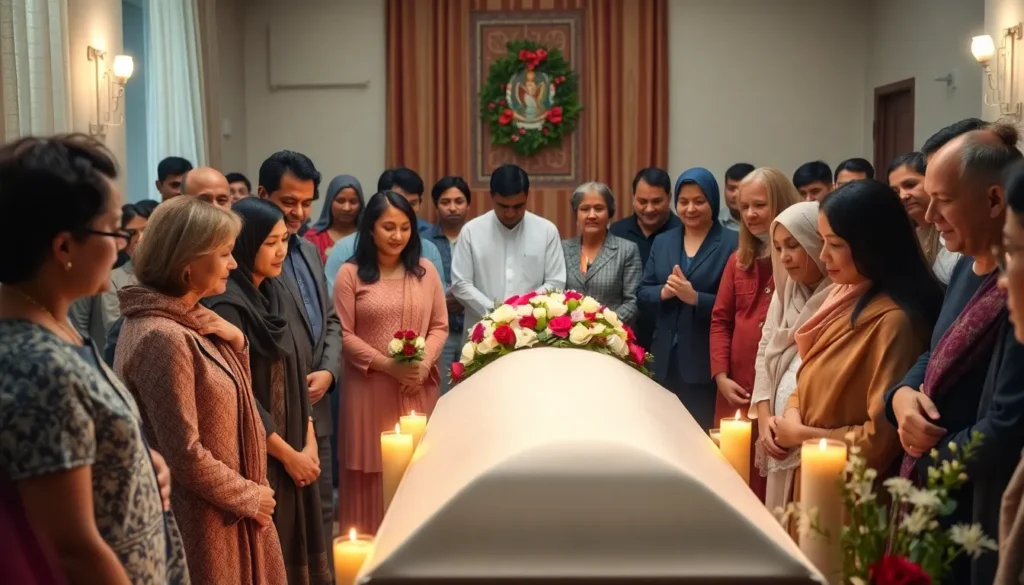
A wake ceremony is a social and ritual event traditionally held either before or after a funeral service. It serves as a time for family, friends, and community members to gather in remembrance of the deceased. The wake provides an opportunity for collective mourning, reflection, and support. Practices and customs associated with wake ceremonies differ widely across cultures and religions, but they generally involve observing the body, sharing memories, and offering prayers or blessings.
Detailed Explanation
The term “wake” historically refers to the practice of “keeping watch” over the body of the deceased. Originally, wakes were intended to ensure the deceased was truly dead and to protect the body from harm or desecration. Over time, the wake evolved into a ceremonial gathering that allows mourners to express grief and celebrate the life of the individual who has passed away.
In many cultures, the wake includes specific rituals such as lighting candles, reciting prayers, singing hymns, or sharing eulogies. The duration of a wake can vary from a few hours to several days, depending on cultural or religious norms. The event often takes place in homes, funeral homes, religious buildings, or community centers.
How It Works
A wake ceremony typically begins with the arrival of mourners who pay their respects to the deceased by viewing the body or the coffin. This viewing is often accompanied by silent reflection or prayer. Family members and close friends may lead the gathering in ritualistic activities, such as reading scripture or sharing stories about the deceased.
Food and drink are sometimes provided to attendees, facilitating a communal atmosphere. The wake serves both as a public acknowledgment of loss and as a support system for those grieving. In some traditions, the wake precedes the funeral, while in others it may follow the burial or cremation.
Examples
- Irish Wake: Traditionally held in the home of the deceased, the Irish wake includes storytelling, singing, and sometimes humor to honor the life lost. It serves as a communal grieving process.
- Filipino Wake (Lamay): This may last several days, where the body is displayed in an open casket at home or in a funeral parlor. It involves prayers such as the rosary and social visits from friends and family.
- Jewish Shiva: While not called a wake, the Shiva period involves seven days of mourning in the home of the deceased’s family, where visitors come to offer condolences and support.
Why It Matters
Wake ceremonies play a significant role in the grieving process by providing a structured environment for mourning and remembrance. They help individuals and communities confront death collectively, fostering emotional support and cultural continuity. Wakes also serve as a way to honor the deceased, affirm social bonds, and transmit cultural or religious values surrounding death and afterlife.
Common Misconceptions
Misconception: A wake is the same as a funeral.
Correction: A wake is a separate event from the funeral, often held before or after it, focused more on social gathering and remembrance rather than formal religious rites.
Misconception: Wakes are somber and silent events.
Correction: While wakes are solemn, many cultures incorporate lively storytelling, music, and even humor as part of the healing process.
Pros and Cons
Comparison Table
| Aspect | Wake Ceremony | Funeral Service |
|---|---|---|
| Meaning | A gathering to honor and remember the deceased, often involving viewing and social interaction. | A formal ceremony that includes specific religious or cultural rites to commend the deceased. |
| Timing | Usually held before or after the funeral. | Occurs once, typically before burial or cremation. |
| Atmosphere | Can be informal, social, reflective, sometimes celebratory. | More structured and ceremonial. |
Decision Checklist
- Use this if you want a communal space for mourning and sharing memories before or after the funeral.
- Avoid this if you prefer a private or strictly religious ceremony without social gathering.
- Check this first by understanding cultural or religious customs related to death in your community.
What is the easiest way to understand a Wake Ceremony?
The easiest way to understand a wake ceremony is to view it as a culturally significant gathering where loved ones come together to remember and honor someone who has died, providing mutual comfort and support in the grieving process.
FAQ
What is the difference between a wake and a funeral?
A wake is typically a social gathering held before or after the funeral, focusing on remembering the deceased, whereas a funeral is a formal ceremony with specific rituals to honor and dispose of the body.
Are wake ceremonies religious?
Wakes can be religious or secular depending on cultural and individual preferences; some include prayers and rituals, while others focus on storytelling and social support.
How long does a wake usually last?
The length of a wake varies widely, ranging from a few hours to several days, based on cultural traditions and family preferences.




Leave a Reply