
Short Answer
Overview
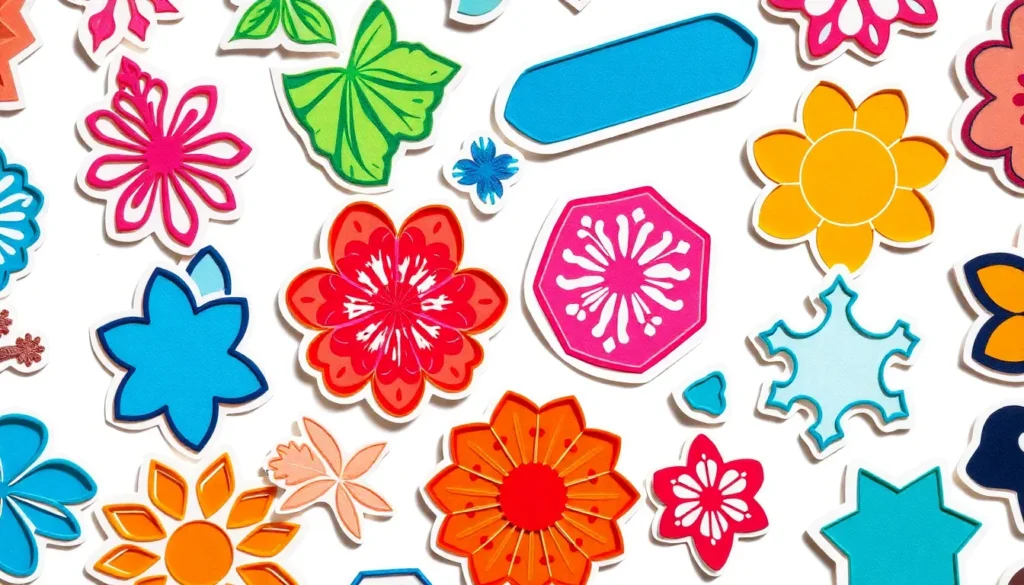
A die cut sticker is a sticker that has been cut into a specific shape using a die cutting process rather than being produced in standard shapes such as squares or circles. This cutting method allows the sticker to follow the contour of the design, creating unique and custom shapes that align precisely with logos, illustrations, text, or other graphics. Die cut stickers are commonly used for branding, decoration, product labeling, and promotional purposes.
Detailed Explanation
Die cut stickers differ from standard stickers primarily in their shape and cutting technique. While regular stickers are typically cut in simple geometric shapes, die cut stickers are individually shaped to the outline of the design, removing any excess material around the edges. This is achieved using a metal die, which functions similarly to a cookie cutter, stamping out the sticker in the desired shape after printing.
The materials used for die cut stickers may include vinyl, paper, or other adhesive substrates, often chosen based on intended durability and application. Vinyl is popular for its weather resistance and longevity, making it suitable for outdoor use. Paper stickers are more common for indoor or temporary applications.
How It Works
The process of creating a die cut sticker begins with designing the artwork and defining the cut line, also known as the contour cut. This cut line outlines where the die will cut the sticker. After printing the design onto the chosen material, a die—a custom-made metal blade shaped to the cut line—is pressed onto the sticker sheet, cutting through the material but not cutting the backing paper.
This precision cutting allows the final sticker to closely follow the design’s edges, creating a clean and professional appearance without unnecessary background or borders. The backing paper often remains intact around the sticker, making it easy to peel off and apply.
Examples
- Logo stickers cut to the exact outline of a company’s emblem or mascot.
- Custom-shaped decals for laptops, water bottles, or car windows featuring intricate designs or characters.
- Event or promotional stickers shaped like badges, icons, or mascots to enhance brand recognition.
Why It Matters
Die cut stickers offer aesthetic and functional advantages by allowing greater customization and visual impact. Their precise shapes contribute to a polished look that can better communicate branding messages or artistic intent. Additionally, die cutting reduces material waste around the sticker, which can be beneficial from both economic and environmental perspectives.
Common Misconceptions
Misconception: All stickers are die cut.
Correction: Many stickers are produced in standard shapes such as circles, squares, or rectangles and are not die cut. Die cut stickers are specifically shaped using a die cutting process.
Misconception: Die cut stickers are only for professional use.
Correction: While often used by businesses for branding, die cut stickers are also popular among hobbyists, artists, and individuals who want custom shapes for personal projects.
Pros and Cons
Comparison Table
| Aspect | Die Cut Sticker | Standard Sticker |
|---|---|---|
| Meaning | Sticker cut precisely to the design’s outline using a die cutting process. | Sticker cut in basic shapes like squares, rectangles, or circles. |
| Customization | High; custom shapes tailored to artwork. | Limited; fixed geometric shapes. |
| Cost | Generally higher due to custom dies and cutting. | Lower; simpler production. |
| Appearance | Professional, clean edges, no excess background. | Standardized appearance, may have visible borders. |
Decision Checklist
- Use this if: You require stickers with unique shapes that precisely match your design or branding needs.
- Avoid this if: You need inexpensive stickers in basic shapes or have a very simple design that does not require contour cutting.
- Check this first: Ensure your artwork is finalized and includes a defined cut line for the die cutting process.
What is the easiest way to understand Die Cut Stickers?
The easiest way to understand die cut stickers is to think of them as stickers that are cut exactly along the edges of the design, much like how a cookie cutter shapes dough. This precise cutting removes any unnecessary background, resulting in a sticker that matches the shape of the image or logo perfectly.
FAQ
What is the main difference between die cut stickers and regular stickers?
Die cut stickers are cut precisely to the shape of the design using a die cutting process, whereas regular stickers are usually cut into standard shapes like circles or rectangles.
Can die cut stickers be used outdoors?
Yes, especially when made from durable materials like vinyl, die cut stickers are suitable for outdoor use due to their weather-resistant properties.
Are die cut stickers more expensive than standard stickers?
Generally, yes. The custom cutting process and the need for a die make die cut stickers more costly to produce compared to standard-shaped stickers.
Leave a Reply