
Short Answer
Overview
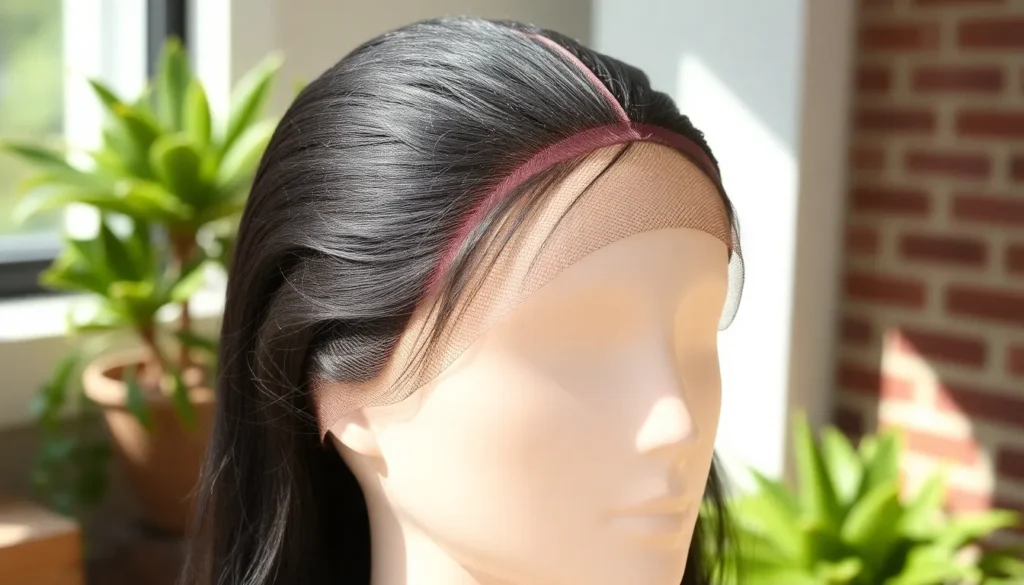
A lace front wig is a type of wig characterized by a sheer lace panel at the front of the wig cap, which mimics the natural scalp and hairline. The lace material allows for individual strands of hair to be hand-tied, producing a realistic appearance that gives the illusion that the hair is growing directly from the scalp. Lace front wigs are available in various hair types, lengths, and textures, and they are widely used for cosmetic, theatrical, and protective styling purposes.
Detailed Explanation
The defining feature of a lace front wig is the lace section located along the front edge of the wig. This lace is typically made from a fine, translucent mesh that blends with the wearer’s skin tone, making the hairline appear natural. Hair strands are hand-knotted into the lace, which allows the wearer to style the hair away from the face without revealing the wig base. The rest of the wig cap is usually made from sturdier materials like wefts or monofilament to provide structure and durability.
Lace front wigs can be constructed using either synthetic or human hair. Human hair lace front wigs tend to offer a more natural look and feel and can be styled with heat tools, while synthetic wigs are generally less expensive but have limitations in styling and longevity.
How It Works
The lace front wig works by providing a transparent lace base that rests on the wearer’s natural hairline. Adhesives, wig glue, or tapes are commonly used to secure the lace to the skin, ensuring the wig stays in place and the lace remains undetectable. Because the hair is knotted individually into the lace, the hairline can be trimmed or customized to better suit the wearer’s natural hairline shape.
The transparency of the lace allows for parting and styling versatility, enabling the wearer to part the hair in multiple directions, contributing to a more natural appearance. The rest of the wig is designed to fit snugly on the head, often incorporating adjustable straps or combs for additional security.
Examples
- Fashion and Everyday Wear: Many individuals use lace front wigs as a means to change hairstyles frequently without damaging their natural hair. Lace front wigs can replicate natural hair textures such as straight, wavy, curly, or coily.
- Entertainment Industry: Actors, musicians, and performers often use lace front wigs to achieve different looks for roles or performances, benefiting from the realistic hairline and styling flexibility.
- Medical Use: People experiencing hair loss due to medical conditions like alopecia or chemotherapy may use lace front wigs to restore the appearance of a natural hairline and boost confidence.
Why It Matters
Lace front wigs are significant for their ability to provide a natural-looking hairline and versatile styling options, which traditional wigs often lack. This has made them popular in multiple domains, including fashion, entertainment, and medical fields. Their design helps users achieve a realistic appearance, which can have psychological and social benefits, such as increased self-esteem and confidence.
Common Misconceptions
Misconception: Lace front wigs are uncomfortable and cause scalp irritation.
Correction: While some individuals may experience sensitivity, lace front wigs are designed to be lightweight and breathable. Proper fitting and maintenance typically prevent discomfort and irritation.
Misconception: Lace front wigs are only for people with hair loss.
Correction: Lace front wigs are used by a broad range of people for style versatility, protection of natural hair, and personal preference, not exclusively for hair loss conditions.
Pros and Cons
Pros:
- Natural and realistic hairline appearance.
- Allows versatile styling, including parting and hairline customization.
- Lightweight and breathable construction.
- Protects natural hair by reducing manipulation.
- Available in various hair types and styles.
Cons:
- Requires careful application and maintenance, including adhesive use.
- Can be more expensive than traditional wigs, especially human hair versions.
- Lace material can be delicate and prone to tearing.
- May require trimming and customization for best fit.
Comparison Table
| Aspect | Lace Front Wig | Traditional Wig |
|---|---|---|
| Meaning | A wig with a sheer lace front to create a natural hairline. | A wig without a lace front, often with a solid or less natural-looking hairline. |
| Appearance | Natural, realistic hairline with parting versatility. | Less natural hairline, limited styling flexibility. |
| Comfort | Lightweight and breathable. | Varies, often less breathable. |
| Maintenance | Requires adhesives and careful handling. | Generally easier to wear and maintain. |
| Cost | Usually higher due to materials and construction. | Typically more affordable. |
Decision Checklist
What is the easiest way to understand Lace Front Wig?
Think of a lace front wig as a standard wig enhanced with a thin, see-through lace strip at the front where the hairline is. This lace allows the hair to look like it is growing naturally from the scalp, enabling more realistic styling and appearance compared to traditional wigs.
FAQ
How long does a lace front wig typically last?
The lifespan of a lace front wig depends on the quality and maintenance, ranging from several months to over a year for human hair wigs with proper care.
Can I swim or shower while wearing a lace front wig?
It is generally not recommended to swim or shower with a lace front wig on, as water and chemicals can damage the wig and adhesive, although some specially designed wigs may be more water-resistant.
Is it difficult to apply a lace front wig by yourself?
Applying a lace front wig can require practice, especially when using adhesives or tapes to secure the lace. Many users find it helpful to watch tutorials or seek professional assistance initially.



Leave a Reply