
Short Answer
Overview
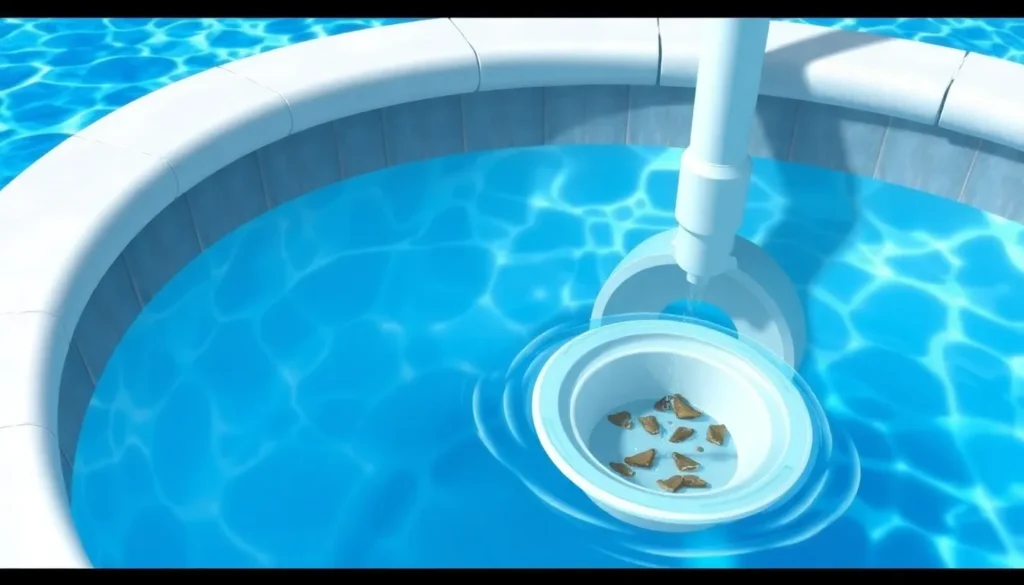
A pool skimmer is an integral component of a swimming pool’s filtration system designed to remove floating debris from the surface of the water. Typically installed along the side walls of pools, pool skimmers help collect leaves, insects, and other contaminants before they sink to the bottom, contributing to water clarity and hygiene. They are widely used in both residential and commercial pools to maintain cleanliness and reduce the workload on the main filtration system.
Detailed Explanation
Pool skimmers usually consist of a small, rectangular opening fitted into the pool wall near the waterline, connected to a basket or net that traps debris. Water flows through this opening into the skimmer basket, where solid materials are caught and prevented from entering the filtration pump. The skimmer operates in conjunction with the pool’s pump and filter system, acting as a first line of defense against surface contaminants. Some skimmers are manually operated, while others are automatic, integrating sensors or specialized mechanisms to optimize debris removal. Regular maintenance of the skimmer basket is necessary to ensure efficient operation and prevent clogging.
How It Works
Water in a swimming pool naturally circulates, and the pool pump creates suction that draws surface water into the skimmer opening. As water enters the skimmer, it passes through a removable basket designed to catch leaves, twigs, insects, and other floating debris. Clean water then continues through the pool’s filtration system before being returned to the pool. By removing debris at the surface, the skimmer helps prevent organic material from decomposing in the water, which could cause algae growth or water quality deterioration. Additionally, skimmers help protect the pool pump by preventing large debris from reaching and damaging the pump’s impeller.
Examples
- Standard built-in wall skimmer: Installed during pool construction, these skimmers are flush with the pool wall and connect directly to the filtration system.
- Floating skimmers: Portable devices that float on the water surface, often used in above-ground pools or as supplementary skimming aids.
- Automatic skimmers: Advanced models equipped with sensors or timers that adjust skimming activity based on debris levels or water movement.
Why It Matters
Pool skimmers are essential for maintaining pool hygiene and water clarity. By continuously removing contaminants from the surface, skimmers reduce the risk of waterborne illnesses and minimize the growth of algae and bacteria. They also help extend the lifespan of pool equipment by preventing debris from entering the filtration and pump systems. Efficient skimming lowers maintenance efforts and chemical usage, contributing to safer and more pleasant swimming conditions.
Common Misconceptions
Misconception: Pool skimmers clean the entire pool water.
Correction: Skimmers primarily remove debris from the water surface but do not clean the entire volume of pool water, which requires filtration and chemical treatment.
Misconception: A pool does not need a skimmer if it has a good filter.
Correction: Filters clean water but rely on skimmers to prevent large debris from entering and clogging the system, making skimmers a necessary component.
Pros and Cons
Comparison Table
| Aspect | Pool Skimmer | Pool Filter |
|---|---|---|
| Meaning | Device that removes floating debris from the pool surface. | System that filters suspended particles and contaminants from pool water. |
| Primary Function | Captures surface debris before it sinks. | Traps small particles and microorganisms throughout the water. |
| Location | Installed at or near the waterline on the pool wall. | Part of the pool’s circulation system, usually external or built-in. |
| Maintenance | Regular cleaning of skimmer basket necessary. | Periodic backwashing or cartridge replacement required. |
Decision Checklist
- Use this if: You want to maintain clean pool water surface and protect your pump and filter.
- Avoid this if: Your pool is very small with minimal surface debris and you perform frequent manual cleaning.
- Check this first: Compatibility with your pool type and existing filtration system before installation.
What is the easiest way to understand a Pool Skimmer?
The easiest way to understand a pool skimmer is to think of it as a surface-level vacuum cleaner for your pool. It continuously pulls in water from the top layer, capturing leaves and floating debris in a basket, preventing them from sinking and complicating pool maintenance.
FAQ
What does a pool skimmer do?
A pool skimmer removes floating debris such as leaves, insects, and other contaminants from the water surface to keep the pool clean and protect the filtration system.
How often should I clean my pool skimmer basket?
The skimmer basket should be checked and cleaned at least once a week, or more frequently if there is heavy debris accumulation.
Can a pool skimmer replace a pool filter?
No, a pool skimmer is designed to catch surface debris, while a pool filter cleans much smaller particles and contaminants throughout the entire pool water.





Leave a Reply