
Short Answer
Overview
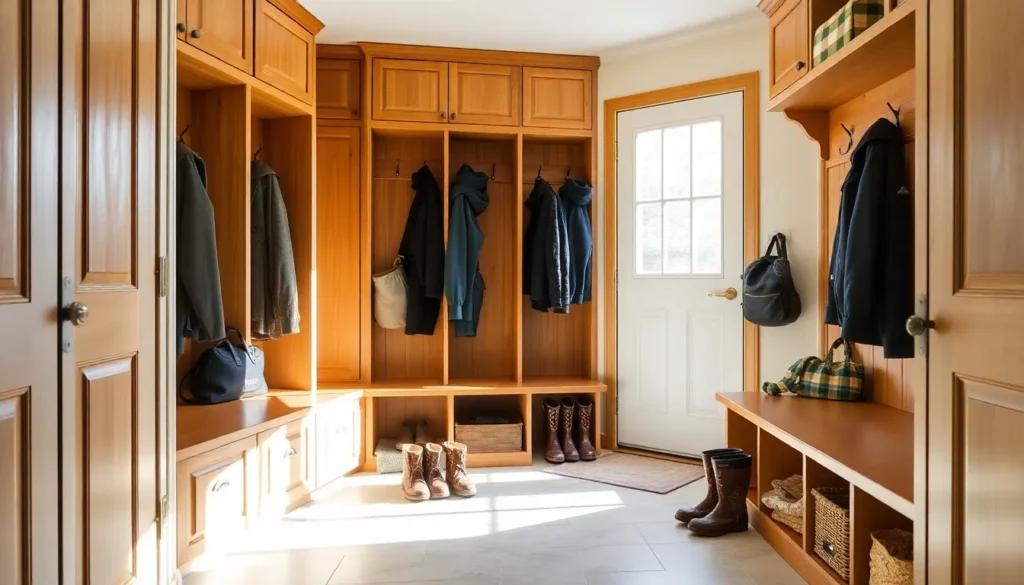
A mudroom is a small room or designated area located near an entrance of a home, typically the back or side door, that serves as a buffer zone between the outdoors and the interior living spaces. Its primary function is to contain and manage dirt, mud, moisture, and clutter before they enter the main areas of the house. Mudrooms often include storage for coats, shoes, boots, umbrellas, and other outdoor gear, helping to keep the home organized and clean.
Detailed Explanation
The concept of a mudroom originated in regions with variable weather conditions, where outdoor elements such as rain, snow, and mud are common. By providing a dedicated space to remove and store dirty or wet items, mudrooms help maintain the cleanliness and longevity of interior flooring and furnishings. These spaces vary in size and design, ranging from small entryway closets to larger rooms equipped with benches, cubbies, hooks, lockers, and sometimes laundry facilities.
How It Works
A mudroom functions as an intermediary space between the outdoors and the home’s interior. When occupants enter the home, they can remove shoes, boots, and outerwear in the mudroom, preventing dirt and moisture from being tracked throughout the house. The room’s surfaces are often designed with durable, easy-to-clean materials such as tile, vinyl, or concrete. Storage solutions within the mudroom help organize items, making it convenient to find and access outdoor gear. Some mudrooms also include seating areas to facilitate shoe removal and dressing.
Examples
- Small Mudroom: A compact area near the back door with wall-mounted hooks for coats and a shoe rack below.
- Larger Mudroom: A room with built-in lockers, benches with storage underneath, cubbies for children’s belongings, and durable flooring.
- Combined Mudroom and Laundry: A multifunctional space that includes a washer and dryer, allowing dirty clothes or muddy items to be cleaned immediately upon entry.
Why It Matters
Mudrooms are significant in home design because they enhance cleanliness, organization, and convenience. By containing messes in a controlled area, they reduce cleaning time and protect interior surfaces. Additionally, mudrooms can improve the overall functionality of a home by providing organized storage and a practical transition area, which can be particularly beneficial for families with children, pets, or active outdoor lifestyles.
Common Misconceptions
Misconception: A mudroom is just a fancy closet.
Correction: While mudrooms include storage features, they are distinct in their purpose as a transition space designed specifically to handle dirt and moisture, often with durable materials and seating areas.
Misconception: Only large homes can have mudrooms.
Correction: Mudrooms can be adapted to fit a variety of home sizes, from small entryway spaces to dedicated rooms, making them accessible to many types of residences.
Pros and Cons
Pros: Helps keep the home clean, provides organized storage, protects flooring and furniture, adds functional space, improves convenience for outdoor activities.
Cons: Requires additional space that may not be available in smaller homes, potential added cost in construction or remodeling, may require maintenance to keep organized.
Comparison Table
| Aspect | Mudroom | Foyer/Entryway |
|---|---|---|
| Meaning | A practical, transitional space designed for storing outdoor gear and managing dirt. | A welcoming area focused on aesthetic entrance and greeting guests. |
| Primary Function | Contain dirt, moisture, and clutter from outdoors. | Serve as a decorative entrance and initial impression. |
| Typical Features | Durable flooring, storage for shoes/coats, benches. | Decorative elements, occasional coat racks, seating for guests. |
| Location | Usually near secondary entrances like back or side doors. | Typically at the main front entrance. |
Decision Checklist
What is the easiest way to understand a Mudroom?
The easiest way to understand a mudroom is to think of it as a practical ‘buffer zone’ inside a home where people can remove dirty shoes and outerwear to keep the rest of the house clean and organized. It’s a specialized entry area equipped with storage and durable surfaces designed to handle outdoor messes.
FAQ
What is the main purpose of a mudroom?
The main purpose of a mudroom is to serve as a dedicated space to remove and store outdoor clothing and shoes, preventing dirt and moisture from spreading into the main living areas.
Can a mudroom be added to any home?
While mudrooms are easier to incorporate in homes with extra space near entrances, many homes can adapt existing entryways or closets to function as mudrooms with some modifications.
What materials are best for mudroom flooring?
Durable, easy-to-clean materials such as tile, vinyl, or concrete are best for mudroom flooring to withstand moisture and dirt.



Leave a Reply