
Short Answer
Overview
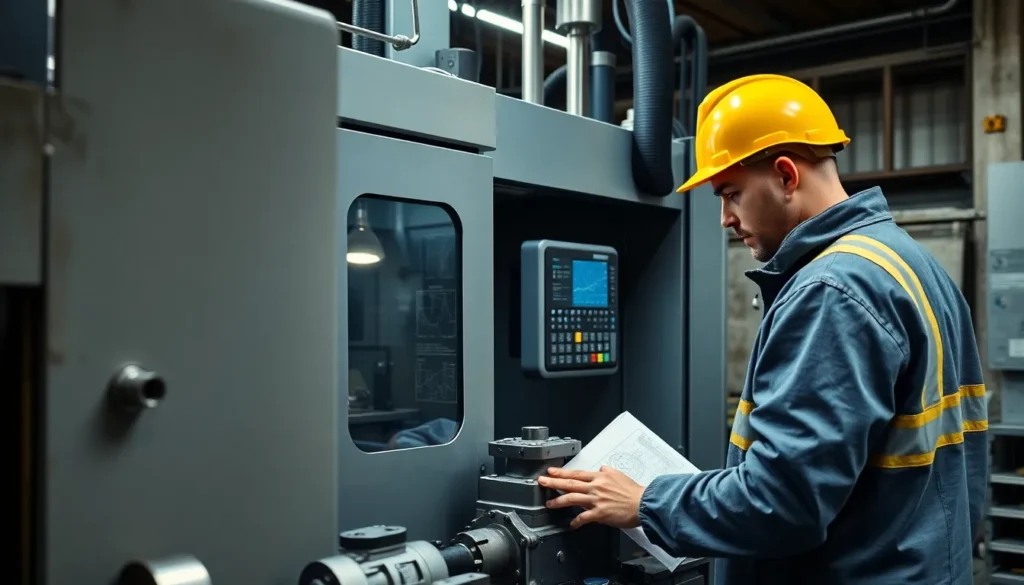
A CNC operator is a professional who operates and manages computer numerical control (CNC) machines used in manufacturing processes. These machines are programmed to carry out precise cutting, drilling, milling, or shaping of materials such as metal, plastic, or wood. CNC operators ensure that parts are produced accurately according to technical specifications by setting up the machines, loading materials, and monitoring the production process.
Detailed Explanation
CNC operators possess technical knowledge of machinery and programming languages such as G-code, which instruct CNC machines on the movement and operation required. Their role involves interpreting blueprints or engineering drawings to understand the specifications and tolerances necessary for a given part. They must verify machine calibration, select appropriate tools, and sometimes edit or adjust CNC programs to optimize production. Safety and quality control are essential components of their work, as they must inspect finished products for defects and maintain machinery to prevent malfunctions.
How It Works
The process begins with a CNC program, which contains coded instructions for the machine. The operator loads this program into the CNC machine’s computer interface and prepares the machine by installing the correct tools and securing the raw material. Once the machine starts, it follows the programmed instructions to perform precise operations such as cutting or drilling. The operator continuously monitors the machine’s performance, making adjustments as necessary to maintain product quality and machine safety. After completion, the operator removes the finished part, inspects it for conformance, and prepares the machine for the next job.
Examples
- Producing automotive parts such as engine components or gear shafts using CNC milling machines.
- Creating intricate metal components for aerospace applications with CNC lathes.
- Manufacturing plastic parts for consumer electronics by operating CNC routers.
Pros and Cons
- Pros: Enables high precision and repeatability, increases manufacturing efficiency, reduces manual labor, and allows for complex designs.
- Cons: Requires specialized training, can be costly to maintain CNC machinery, and may involve repetitive monitoring tasks that can be monotonous.
Comparison Table
| Aspect | CNC Operator | Manual Machinist |
|---|---|---|
| Meaning | Operates computer-controlled machines to produce parts. | Manually operates machine tools without computer assistance. |
| Precision | High due to programmed control. | Variable, depends on operator skill. |
| Skill Requirement | Requires understanding of programming and machine setup. | Requires manual dexterity and experience. |
| Efficiency | Higher production rates, consistent output. | Slower, more dependent on human speed and endurance. |
Decision Checklist
- Use this if… you need consistent, precise, and repeatable manufacturing of parts.
- Avoid this if… the production volume is very low or requires frequent manual adjustments.
- Check this first… the complexity of parts and available training for CNC programming.
What is the easiest way to understand a CNC Operator?
Think of a CNC operator as a machine supervisor who uses computer programs to control a manufacturing machine, ensuring it produces parts exactly as designed. They combine technical knowledge of software and machinery with hands-on skills to maintain efficient and accurate production.
FAQ
What does a CNC operator do daily?
A CNC operator sets up and operates CNC machines, loads materials, monitors the machining process, inspects finished parts, and performs routine maintenance on equipment.
Is CNC operator a skilled job?
Yes, CNC operation requires knowledge of machine programming, technical drawings, and precision measurement, often obtained through vocational training or apprenticeships.
How does CNC operation differ from manual machining?
CNC operation uses computer programs to automate machine movements, allowing for higher precision and repeatability, whereas manual machining relies on the operator's direct control of the tools.






Leave a Reply