
Short Answer
Overview
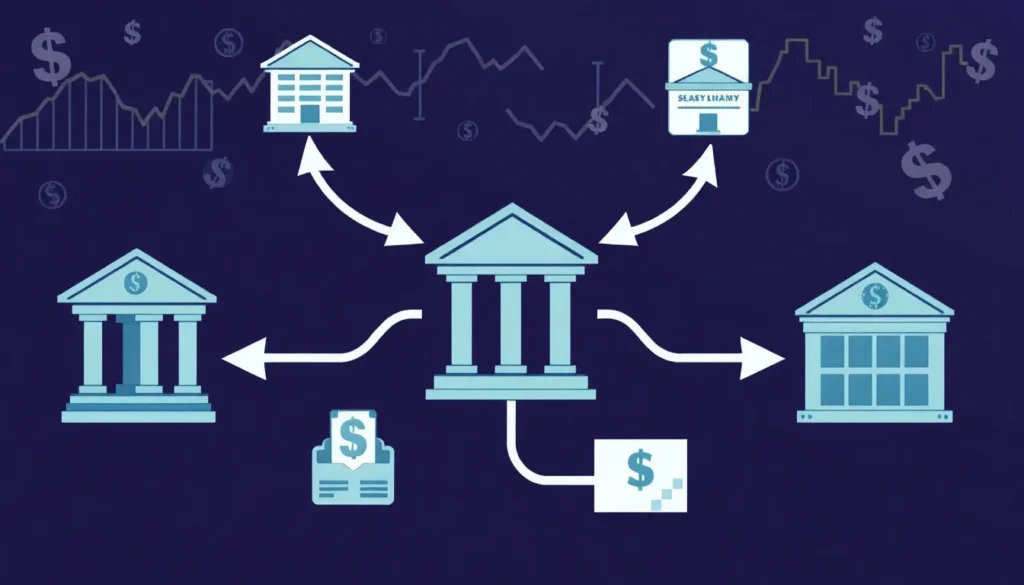
A liquidity sweep refers to the systematic transfer of excess cash from multiple accounts into a centralized account to maximize liquidity and optimize the use of available funds. This financial strategy is often employed by businesses, banks, and financial institutions to manage cash efficiently, reduce idle balances, and ensure that funds are readily available for operational needs or investment opportunities.
Detailed Explanation
Liquidity sweeps serve as an automated process where surplus cash—often held in subsidiary or operational accounts—is periodically moved into a master or concentration account. This consolidation allows organizations to have a clearer and more accurate picture of their overall cash position. By minimizing unused cash sitting in various accounts, companies can reduce the need for external borrowing, increase interest earnings through centralized investments, or optimize cash reserves for short-term obligations.
How It Works
The process of a liquidity sweep typically involves predefined rules set by the organization or financial institution. These rules determine thresholds or minimum account balances. When the balance in an account exceeds the set threshold, the excess amount is automatically swept into the master account. The timing and frequency of sweeps can vary, occurring daily, weekly, or at other intervals depending on the entity’s cash management policies.
Technologically, liquidity sweeps are often integrated into treasury management systems or banking platforms that support automated fund transfers. The process ensures compliance with internal controls and regulatory requirements while enhancing cash visibility and control.
Examples
- Corporate Cash Management: A multinational company uses liquidity sweeps to move excess cash from its regional accounts into a central treasury account daily, enabling better investment decisions and reducing borrowing costs.
- Banking Operations: Banks implement liquidity sweeps to manage surplus reserves across branches, consolidating funds to meet reserve requirements or allocate capital more efficiently.
- Investment Accounts: An investment firm might sweep idle cash from various client accounts into a pooled account to earn higher interest or invest in short-term instruments.
Why It Matters
Effective liquidity management is critical for financial stability and operational efficiency. Liquidity sweeps help organizations avoid unnecessary borrowing, optimize interest income, and maintain adequate cash reserves for contingencies. By automating the transfer of funds, liquidity sweeps reduce manual errors, improve cash forecasting accuracy, and enhance overall financial discipline.
Common Misconceptions
Misconception: Liquidity sweeps are only beneficial for large corporations.
Correction: While commonly used by large firms, liquidity sweeps can also benefit small and medium enterprises by improving cash flow management.
Misconception: Liquidity sweeps always involve transferring all available funds.
Correction: Sweeps typically transfer only the excess cash above a predetermined threshold, maintaining minimum balances as required.
Pros and Cons
Comparison Table
| Aspect | Liquidity Sweep | Cash Concentration |
|---|---|---|
| Meaning | Automated transfer of excess funds from multiple accounts to a primary account based on set thresholds. | Manual or automated process of pooling funds into a central account without necessarily considering thresholds. |
Decision Checklist
- Use this if: You need to optimize cash utilization across multiple accounts and automate fund transfers.
- Avoid this if: Your cash flow is highly volatile and requires maintaining flexible balances in multiple accounts.
- Check this first: Your organization’s cash flow patterns, account structures, and treasury system capabilities.
What is the easiest way to understand Liquidity Sweep?
Think of a liquidity sweep as a financial housekeeping tool that regularly moves leftover money from various small jars into a big jar so that it can be used more effectively, rather than letting money sit unused in many places.
FAQ
What is the main purpose of a liquidity sweep?
The main purpose is to centralize excess cash from multiple accounts to optimize liquidity, improve cash utilization, and reduce idle balances.
How often are liquidity sweeps performed?
Liquidity sweeps can be performed at various intervals such as daily, weekly, or according to the organization's cash management policies.
Are liquidity sweeps only for large companies?
No, while common in large corporations, liquidity sweeps can also benefit small and medium-sized enterprises by improving cash flow management.






Leave a Reply