
Short Answer
Overview
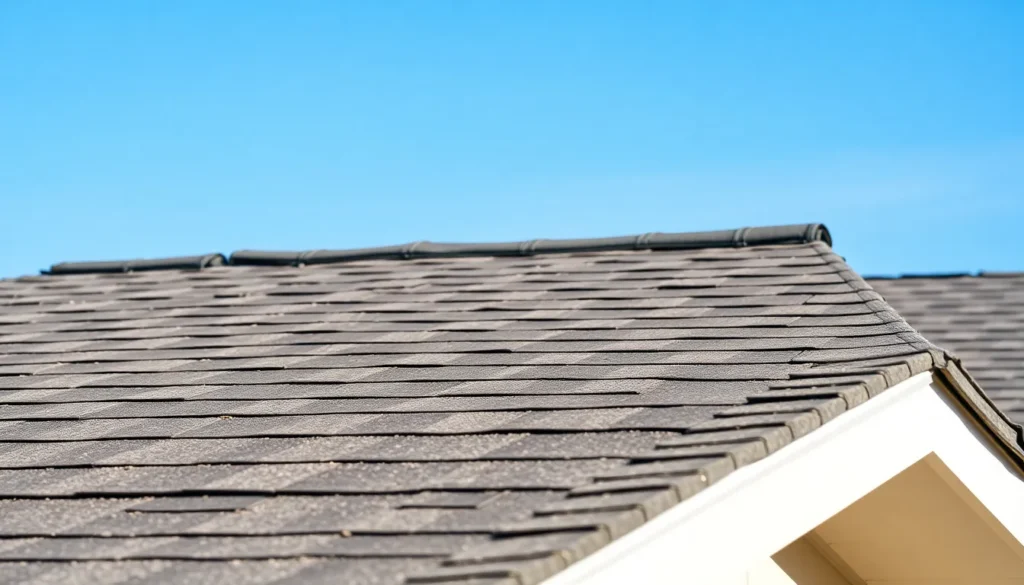
A composition roof refers to a roofing system constructed from a combination of materials designed to provide durable and weather-resistant protection. Often called asphalt composition roofing, this type of roof typically consists of layers of asphalt, fiberglass or organic felt, and mineral granules. Composition roofing is a common choice in residential and commercial properties due to its affordability, ease of installation, and relatively long service life.
Detailed Explanation
The term “composition roof” encompasses various roofing products that combine multiple materials to enhance performance. The key components usually include a base mat made of fiberglass or organic felt, which is saturated with asphalt to provide waterproofing. The asphalt layer is then covered with mineral granules that protect the roof from ultraviolet light, weather elements, and physical damage. These layers work together to create a system that is resistant to wind, rain, and temperature fluctuations.
There are different types of composition roofing shingles, the most notable being three-tab shingles and architectural (or dimensional) shingles. Three-tab shingles are flat, uniform, and thinner, while architectural shingles have a layered, textured appearance that can improve aesthetics and durability.
How It Works
Composition roofs protect buildings by forming a continuous barrier against environmental factors. The base mat provides structural support, while the asphalt saturant offers waterproofing properties. The mineral granules shield the asphalt from ultraviolet radiation, slowing degradation caused by the sun. When installed correctly, the overlapping arrangement of shingles allows water to shed off the roof surface efficiently, preventing leaks and moisture intrusion.
Ventilation and proper installation techniques are critical to the roof’s longevity, as they reduce heat buildup and moisture retention within the roofing system. Maintenance typically involves periodic inspections and replacing damaged shingles to maintain the protective barrier.
Examples
- Three-Tab Asphalt Shingles: An economical and widely used composition roofing type featuring flat, uniformly shaped shingles.
- Architectural Asphalt Shingles: Thicker, multi-layered shingles that offer enhanced durability and a more textured, dimensional look.
- Fiberglass-Based Composition Roofing: A composition roof that uses fiberglass mats as the base, providing resistance to fire and improved strength.
Pros and Cons
- Pros: Cost-effective; relatively easy and quick to install; wide availability; moderate durability; fire resistant (especially fiberglass-based); variety of styles and colors.
- Cons: Shorter lifespan compared to some roofing materials (typically 20-30 years); susceptible to damage from extreme weather conditions; can be less environmentally friendly due to petroleum-based components; may require maintenance to avoid leaks and deterioration.
Comparison Table
| Aspect | Composition Roof | Alternative: Metal Roof |
|---|---|---|
| Meaning | Roof made from layered materials such as asphalt, fiberglass, and mineral granules. | Roof made from metal panels or shingles, typically steel or aluminum. |
| Durability | 20-30 years under typical conditions. | 40-70 years or more, highly durable. |
| Cost | Generally lower initial cost. | Higher initial cost. |
| Installation | Relatively simple and fast. | More complex, may require specialized labor. |
| Maintenance | Requires regular inspection and occasional shingle replacement. | Low maintenance. |
Decision Checklist
- Use this if: You need an affordable roofing option with moderate durability and a variety of aesthetic choices.
- Avoid this if: You require a very long-lasting roof or live in an area with extreme weather conditions.
- Check this first: Local building codes and climate suitability, as well as the roof’s slope and ventilation requirements.
What is the easiest way to understand a Composition Roof?
The easiest way to understand a composition roof is to think of it as a layered system where each layer serves a specific purpose: a base for structure, asphalt for waterproofing, and granules for protection and aesthetics. Together, these layers create a protective, weather-resistant covering commonly used on homes and buildings.
FAQ
What is the difference between three-tab and architectural shingles?
Three-tab shingles are flat, uniform, and thinner, providing a basic appearance, while architectural shingles are thicker and layered to create a textured, dimensional look with improved durability.
How long does a composition roof typically last?
A composition roof generally lasts between 20 and 30 years, depending on the quality of materials, installation, and local climate conditions.
Are composition roofs resistant to fire?
Fiberglass-based composition roofs offer better fire resistance compared to organic felt-based ones, but overall, composition roofs provide moderate fire protection.

Leave a Reply