
Short Answer
Overview
A dwelling unit is defined as a single, self-contained residential space intended for occupancy by an individual or household. It is characterized by the presence of essential facilities such as living areas, sleeping quarters, cooking amenities, and sanitation provisions. This concept is integral to housing regulations, zoning laws, and real estate classifications, serving as a fundamental unit for measuring residential capacity and compliance.
Detailed Explanation
In legal and planning contexts, a dwelling unit must provide independent living facilities. These include spaces for cooking (such as a kitchen or kitchenette), sanitation (bathroom or toilet facilities), and areas designated for living and sleeping. The unit is designed to function autonomously, allowing occupants to live without reliance on shared facilities beyond common access areas.
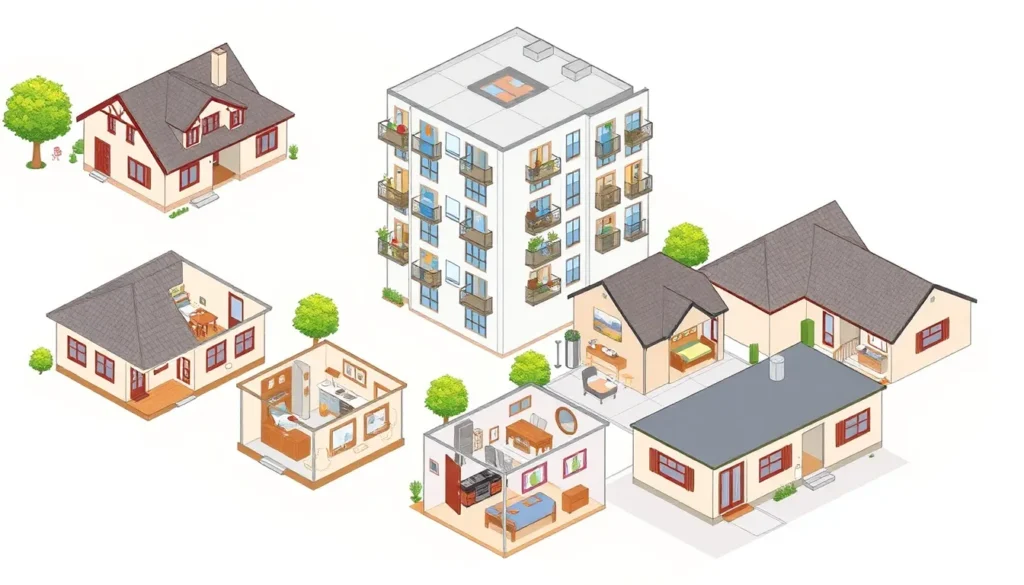
The definition of a dwelling unit may vary slightly depending on jurisdiction, but generally it encompasses any structure or portion thereof intended for residential use. This can include detached houses, apartments, condominiums, townhouses, and sometimes mobile homes. The specification of a dwelling unit is vital for zoning classifications, building codes, taxation, and occupancy limits.
How It Works
Dwelling units operate as self-sufficient living environments. They are constructed or designated to meet minimum habitability standards, which often include adequate ventilation, natural light, plumbing, and safety measures. The presence of cooking and sanitation facilities within the unit distinguishes it from other types of residential accommodations, such as dormitories or boarding houses, which may involve shared amenities.
Local governments and regulatory bodies typically use the concept of dwelling units to enforce zoning restrictions, control density, and ensure appropriate infrastructure support. Property developers and landlords classify and enumerate dwelling units for compliance with housing codes and to determine occupancy rights.
Examples
- Single-family detached home: A standalone structure with private access, kitchen, bathroom, and living areas.
- Apartment unit: One residential space within a multi-unit building, equipped with self-contained facilities.
- Condominium unit: Individually owned residential unit in a multi-unit complex with shared common areas.
- Townhouse: A multi-floor dwelling attached to adjacent units, with private entrances and facilities.
- Mobile home: A transportable dwelling unit designed for permanent or semi-permanent occupancy.
Why It Matters
The concept of a dwelling unit is fundamental to urban planning, housing policy, and real estate development. It directly influences housing availability, affordability, and regulation. Accurate classification helps ensure that housing meets health and safety standards and that communities are appropriately zoned. It also affects taxation, utility provision, and emergency services.
Common Misconceptions
Misconception: A dwelling unit always refers to a standalone house.
Correction: A dwelling unit can be any self-contained residential space, including apartments and condominiums.
Misconception: All residential spaces with beds are dwelling units.
Correction: To be a dwelling unit, the space must have independent cooking and sanitation facilities, not just sleeping accommodations.
Pros and Cons
Pros: Defines clear standards for residential occupancy; aids in urban planning and zoning; ensures minimum habitability and safety; facilitates property taxation and legal clarity.
Cons: Definitions can vary by jurisdiction, causing confusion; rigid classification may exclude some living arrangements; may lead to regulatory challenges for non-traditional housing.
Comparison Table
| Aspect | Dwelling Unit | Rooming House |
|---|---|---|
| Meaning | Self-contained residential space with cooking, sanitation, living, and sleeping facilities. | Individual rooms rented out, often sharing cooking and bathroom facilities. |
| Occupancy | Occupied by one household or individual with independent facilities. | Multiple unrelated individuals sharing common amenities. |
| Regulation | Subject to residential building codes and zoning for housing. | Often subject to different or additional regulations for shared housing. |
Decision Checklist
What is the easiest way to understand Dwelling Unit?
Think of a dwelling unit as a self-sufficient home where a person or family can live independently, cook meals, sleep, and maintain personal hygiene without sharing essential facilities with others outside the household.
FAQ
What distinguishes a dwelling unit from other residential spaces?
A dwelling unit is distinguished by its self-contained nature, including independent cooking, sanitation, living, and sleeping facilities, allowing occupants to live independently.
Can a dwelling unit be part of a larger building?
Yes, a dwelling unit can be an apartment or condominium within a multi-unit building, as long as it has self-contained facilities.
Are mobile homes considered dwelling units?
Mobile homes are considered dwelling units when they provide self-contained living facilities and are used as permanent or semi-permanent residences.
Leave a Reply