
Short Answer
Overview
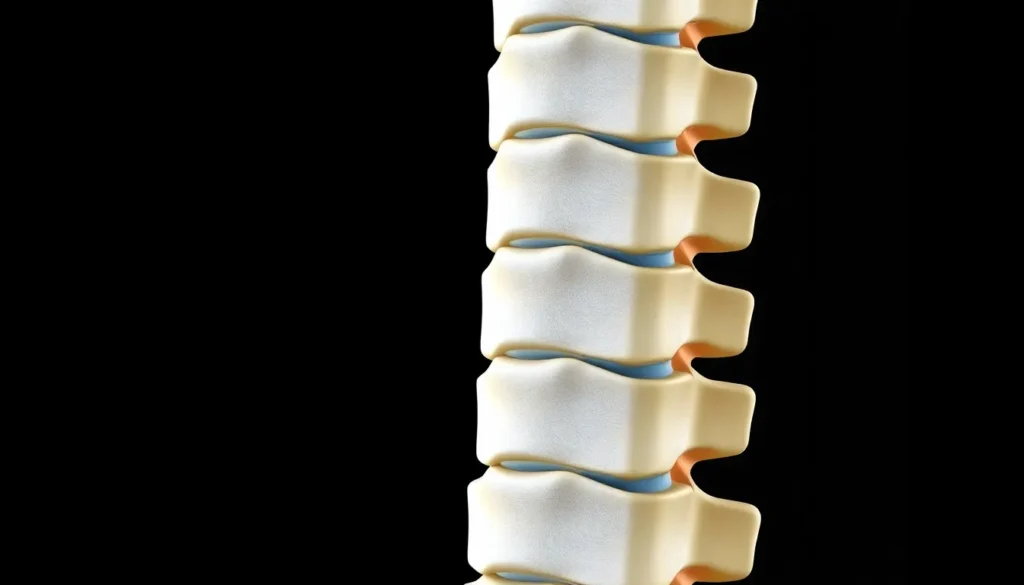
Facet joints, also known as zygapophyseal joints, are paired synovial joints located between the articular processes of adjacent vertebrae in the spine. They contribute to spinal stability and flexibility by guiding and restricting movements such as bending, twisting, and extension. Each vertebra has two superior and two inferior facet joints that articulate with the vertebrae above and below, respectively.
Detailed Explanation
The facet joints are formed by the superior articular process of one vertebra and the inferior articular process of the vertebra directly above or below it. These joints contain a smooth cartilage surface and are enclosed within a capsule filled with synovial fluid, which lubricates the joint and facilitates smooth motion. The orientation of facet joints varies along the spinal regions (cervical, thoracic, lumbar), which influences the type and range of motion permissible in those areas.
How It Works
Facet joints function as mechanical guides, supporting the vertebral column’s movements while limiting excessive motion that could damage the spinal cord or nerves. They prevent the vertebrae from slipping forward or backward and allow controlled flexion, extension, lateral bending, and rotation. The synovial fluid within the joint capsule reduces friction and absorbs shock during movement.
Examples
- Cervical Spine: Facet joints in the neck region allow for a greater range of rotation and lateral bending than those in other spinal regions.
- Thoracic Spine: Facet joints here are oriented to favor rotation but limit flexion and extension, partly due to attachment to the rib cage.
- Lumbar Spine: These facet joints primarily permit flexion and extension while restricting rotation, providing stability to the lower back.
Why It Matters
Facet joints are essential to maintaining spinal integrity and enabling movement. Dysfunction or degeneration of these joints, such as in facet joint syndrome or osteoarthritis, can lead to pain, stiffness, and reduced mobility. Understanding the anatomy and function of facet joints helps in diagnosing and treating various spinal conditions.
Common Misconceptions
Misconception: Facet joints are the same as intervertebral discs.
Correction: Facet joints are synovial joints between vertebrae, whereas intervertebral discs are fibrocartilaginous cushions located between vertebral bodies that absorb shock.
Misconception: Facet joint pain only occurs from traumatic injury.
Correction: Facet joint pain can result from degenerative changes, inflammation, or repetitive stress, not just trauma.
Pros and Cons
Pros: Facet joints provide controlled flexibility and stability to the spine, protect the spinal cord and nerves, and facilitate smooth motion.
Cons: They are susceptible to wear and tear, can become inflamed or arthritic, and may cause chronic pain and mobility issues.
Comparison Table
| Aspect | Facet Joint | Intervertebral Disc |
|---|---|---|
| Meaning | Synovial joint between vertebral articular processes | Fibrocartilaginous cushion between vertebral bodies |
| Function | Allows and guides spinal movement, provides stability | Absorbs shock, distributes mechanical load |
| Structure | Cartilage-covered articular surfaces with synovial fluid | Gelatinous nucleus pulposus surrounded by annulus fibrosus |
Decision Checklist
What is the easiest way to understand a Facet Joint?
The easiest way to understand a facet joint is to think of it as a small hinge or sliding joint on the back of the spine that allows your vertebrae to move smoothly relative to each other while keeping the spine stable and protected.
FAQ
What is the main function of facet joints?
Facet joints primarily guide and limit movements between adjacent vertebrae, ensuring stability in the spine while allowing controlled motion such as bending and twisting.
Can facet joints cause back pain?
Yes, degeneration, inflammation, or injury to facet joints can result in facet joint syndrome, which is a common cause of localized spinal pain and stiffness.
How do facet joints differ across spinal regions?
Facet joint orientation varies by region: cervical joints allow more rotation, thoracic joints facilitate rotation but limit flexion/extension due to rib attachments, and lumbar joints primarily allow flexion and extension while restricting rotation.
Leave a Reply