
Short Answer
Overview
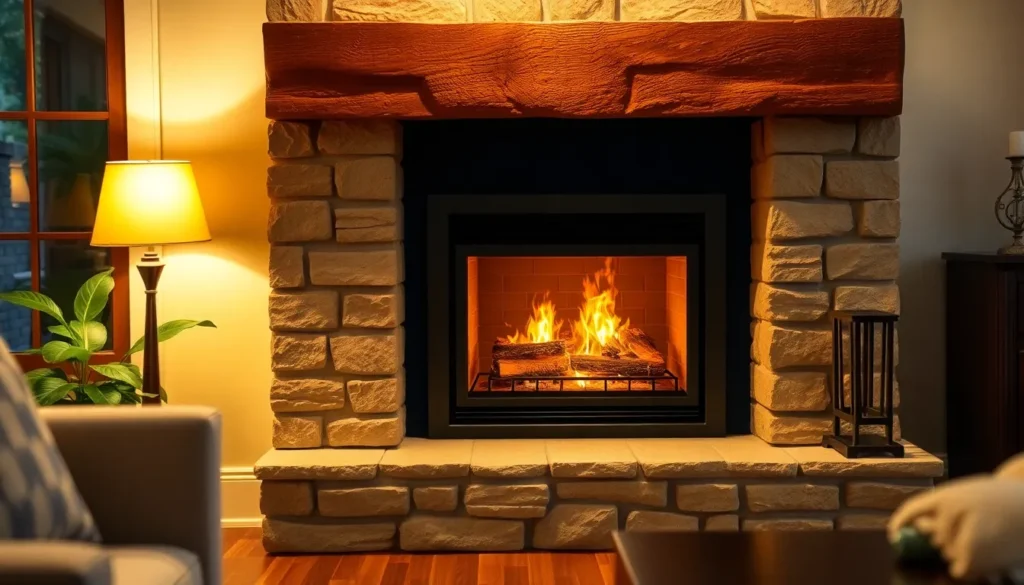
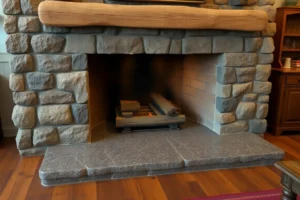
A fireplace insert is a sealed firebox that is designed to be installed directly into an existing open fireplace. Its primary purpose is to improve the heating efficiency of the fireplace by containing the fire within a controlled environment, typically with insulated steel walls and a glass front. This modification helps to reduce heat loss that normally occurs with traditional open fireplaces, while also limiting the release of smoke and pollutants into the indoor space.
Detailed Explanation
Originally, fireplaces were built as open hearths primarily for ambiance and some level of heating. However, these open fireplaces are often inefficient, as much of the heat escapes through the chimney. Fireplace inserts were developed to address this issue by replacing the open fire chamber with a closed combustion unit. Inserts can burn wood, gas, pellets, or other fuels, depending on their design. They are engineered to maximize heat output and minimize emissions by improving combustion efficiency.
In addition to improved heating performance, fireplace inserts often include features such as blowers or fans to distribute warm air more effectively throughout a room or home. Their installation requires careful fitting into the existing fireplace cavity and connection to a chimney or venting system that meets safety codes.
How It Works
A fireplace insert operates by enclosing the fire within a metal firebox with insulated sides and a sealed glass door. This enclosure allows for better control of airflow, which is critical for efficient combustion. Air intake vents supply oxygen to the fire, and the exhaust gases are vented through a flue or chimney. The glass front allows radiant heat to escape into the room while preventing heat loss up the chimney.
Many inserts have built-in fans that circulate air between the insert and the room, improving heat transfer. The insulated firebox retains heat and radiates it slowly, increasing the overall warmth produced compared to an open fireplace. In gas and pellet inserts, electronic controls often regulate fuel feed or gas flow to optimize combustion efficiency.
Examples
- Wood-Burning Inserts: These are designed to burn firewood and are often used to upgrade traditional wood fireplaces. They provide higher heat output with less smoke and creosote buildup.
- Gas Fireplace Inserts: These use natural gas or propane and offer the convenience of instant ignition, adjustable flames, and cleaner combustion.
- Pellet Stove Inserts: These burn compressed wood pellets and typically include automatic feeding systems and thermostatic controls for consistent heat.
Why It Matters
Fireplace inserts significantly improve the energy efficiency of traditional fireplaces, which are otherwise inefficient heat sources. By converting an open fireplace to a sealed combustion unit, inserts reduce heat loss up the chimney and increase the amount of warmth delivered to living spaces. This can lower heating costs and reduce the environmental impact of home heating. Additionally, inserts help improve indoor air quality by minimizing smoke and particulate emissions.
Common Misconceptions
Misconception: Fireplace inserts are only for aesthetics.
Correction: While inserts can enhance the look of a fireplace, their primary function is to improve heating efficiency and reduce emissions.
Misconception: Installing a fireplace insert eliminates the need for a chimney.
Correction: Most inserts still require a properly functioning chimney or venting system to safely exhaust combustion gases.
Pros and Cons
Comparison Table
| Aspect | Fireplace Insert | Open Fireplace |
|---|---|---|
| Meaning | A sealed firebox inserted into a fireplace to improve efficiency. | An open hearth for burning wood or fuel with no enclosure. |
| Heating Efficiency | High, due to controlled combustion and heat retention. | Low, most heat lost through chimney. |
| Emissions | Reduced, due to better combustion and sealed design. | Higher, with more smoke entering indoor air. |
| Installation | Requires fitting and chimney compatibility. | Part of original building structure. |
| Maintenance | Requires regular cleaning of insert and chimney. | Requires chimney sweeping and hearth upkeep. |
Decision Checklist
- Use this if: You want to upgrade an existing fireplace for better heating efficiency and lower emissions.
- Avoid this if: Your chimney is damaged, or you prefer the aesthetic and ambiance of an open fire without enclosure.
- Check this first: Ensure your existing fireplace and chimney are suitable and safe for insert installation, and verify local building codes and regulations.
What is the easiest way to understand Fireplace Inserts?
The easiest way to understand a fireplace insert is to think of it as a metal box with a glass door that fits inside your current fireplace, turning an open fire into a controlled, efficient heater that keeps more warmth inside your home instead of letting it escape up the chimney.
FAQ
Can a fireplace insert be installed in any fireplace?
Most existing fireplaces can accommodate an insert, but installation depends on the size, condition, and type of chimney. A professional inspection is recommended before installation.
Do fireplace inserts require electricity?
Some inserts, especially those with blowers or electronic controls, require electricity. However, basic wood-burning inserts can operate without electrical power.
How do fireplace inserts improve heating efficiency?
By enclosing the fire in an insulated firebox with controlled airflow and a glass front, inserts reduce heat loss through the chimney and increase the amount of heat radiated into the living space.
Leave a Reply