
Short Answer
Overview
A backflow device is a specialized plumbing component installed in water supply systems to prevent the reverse flow of water. This reverse flow, known as backflow, can introduce contaminants into a potable water supply, posing significant health and safety risks. Backflow devices are commonly used in residential, commercial, and industrial water systems to safeguard water quality and comply with health regulations.
Detailed Explanation
Backflow devices are engineered to protect potable water supplies by interrupting or controlling the flow of water when a pressure differential causes water to move backward through the system. Backflow can occur due to backpressure, where downstream pressure exceeds supply pressure, or backsiphonage, which happens when negative pressure pulls water in reverse. The presence of a backflow device ensures that potentially contaminated water from irrigation systems, fire suppression systems, or chemical processes does not mix with clean water intended for consumption.
How It Works
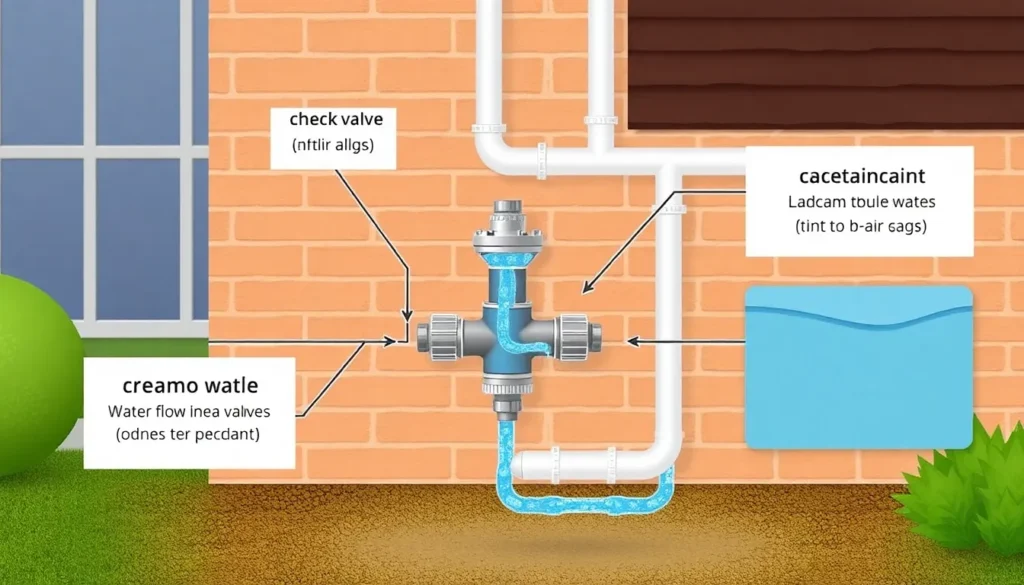
Typically, backflow devices incorporate check valves or air gaps to prevent reverse water flow. Check valves allow water to flow in only one direction and automatically close if water attempts to flow backward. Air gaps create a physical separation between the potable water supply and potential contaminants, preventing backflow by design. Some backflow prevention assemblies combine multiple methods, including dual check valves, pressure vacuum breakers, and reduced pressure zone devices, each suited for different risk levels and applications.
Examples
- Dual Check Valve Assembly: A device that uses two spring-loaded check valves in series to prevent backflow, commonly used in residential plumbing.
- Pressure Vacuum Breaker (PVB): A device that prevents backsiphonage by introducing air into the system when negative pressure occurs, often used in irrigation systems.
- Reduced Pressure Zone (RPZ) Device: A high-level backflow prevention assembly that includes a relief valve and two check valves, suitable for high hazard situations such as chemical processing plants.
Why It Matters
Backflow devices are essential for protecting public health by ensuring that drinking water remains uncontaminated. Without these devices, pollutants, chemicals, or biological contaminants could enter the water supply during pressure fluctuations or system failures. This contamination can lead to waterborne diseases, chemical poisoning, and other serious health hazards. Additionally, many local and national plumbing codes mandate the installation of backflow prevention devices to comply with safety standards.
Common Misconceptions
Misconception: Backflow devices are only necessary for industrial applications.
Correction: Backflow prevention is important in all settings where potable water is used, including residential and commercial environments.
Misconception: Once installed, backflow devices require no maintenance.
Correction: Regular inspection and maintenance are required to ensure backflow devices function correctly and comply with regulatory standards.
Pros and Cons
Pros:
- Protects potable water supplies from contamination.
- Complies with health and safety regulations.
- Available in various designs to suit different risk levels.
Cons:
- Requires regular maintenance and testing.
- Initial installation can be costly depending on the device type.
- Improper installation or neglect can result in device failure.
Comparison Table
| Aspect | Backflow Device | Alternative/Related Topic (Standard Plumbing Valve) |
|---|---|---|
| Meaning | A device designed to prevent reverse flow of water to protect potable water. | Valves used to control water flow but not specifically designed to prevent backflow. |
| Purpose | Water contamination prevention. | Flow regulation or shutoff without contamination prevention. |
| Typical Use | Water supply systems requiring contamination control. | General plumbing systems for flow management. |
| Maintenance Requirements | Regular testing and inspection. | Less frequent, mostly functional checks. |
Decision Checklist
What is the easiest way to understand a Backflow Device?
The simplest way to understand a backflow device is to think of it as a one-way gate for water that only allows clean water to flow forward while blocking any water that tries to reverse direction and carry contaminants back into the clean supply.
FAQ
What causes backflow in a plumbing system?
Backflow is caused by either backpressure, where downstream pressure exceeds supply pressure, or backsiphonage, which occurs when negative pressure pulls water backward through the system.
How often should backflow devices be inspected?
Backflow devices should typically be inspected and tested annually or according to local codes to ensure proper function and compliance.
Can I install a backflow device myself?
Installation of backflow devices often requires professional knowledge to ensure correct placement and compliance with regulations, so it is generally recommended to use a licensed plumber.






Leave a Reply