
Short Answer
Overview
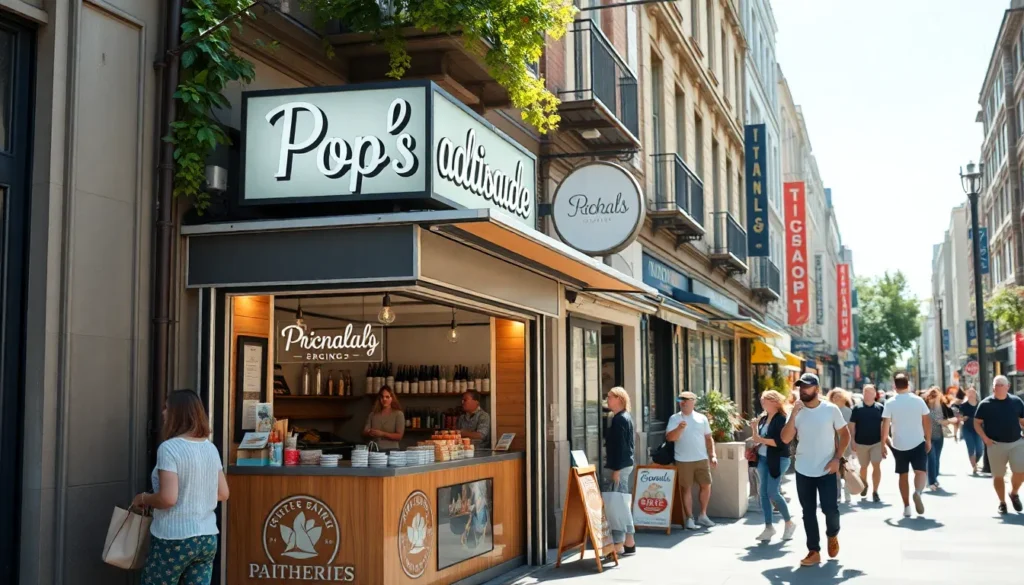
A pop up shop is a temporary retail space that businesses or individuals use to sell products or services for a limited duration. Unlike traditional retail stores, which operate on a long-term basis, pop up shops are designed to be short-term installations that can last from a single day to several weeks or months. They are typically set up in high-traffic locations such as shopping malls, street corners, event venues, or vacant storefronts.
Detailed Explanation
Pop up shops serve multiple purposes, including testing new markets, launching products, creating brand awareness, or providing unique customer experiences. Their temporary nature allows businesses to experiment with different locations, designs, and marketing strategies without the financial commitment of a permanent store. The concept emerged as a flexible retail solution that combines elements of traditional brick-and-mortar stores and event marketing.
These shops often rely on creative and eye-catching design to attract customers and generate buzz. They can vary in size and format, ranging from small kiosks or booths to larger, fully furnished retail spaces. The merchandise offered can be limited edition, exclusive, or seasonal, which adds to the appeal and urgency for consumers.
How It Works
Setting up a pop up shop generally involves securing a temporary lease or agreement for a retail space. The business then designs and installs the physical space with branding, displays, and inventory. Marketing efforts often focus on social media, local advertising, and word-of-mouth to draw attention during the limited operation period.
The temporary nature means that logistics such as staffing, inventory management, and payment systems are streamlined for short-term use. After the pop up period ends, the space is cleared, and the business may evaluate the success of the venture based on sales, customer feedback, and brand exposure.
Examples
- Fashion Brands: Designers may open pop up shops to showcase a new collection or collaborate with other brands in a specific city.
- Food and Beverage: Restaurants or food brands might set up temporary stands or shops at festivals, markets, or seasonal events.
- Tech Companies: Technology firms sometimes use pop up shops to demonstrate new devices or software directly to consumers.
Pros and Cons
- Pros: Flexibility in location and duration, lower overhead costs compared to permanent stores, opportunity for direct customer engagement, ability to test markets or products, generates brand excitement and exclusivity.
- Cons: Limited time frame may restrict sales volume, requires effective marketing to attract customers quickly, logistical challenges in setup and teardown, potential inconsistency in customer experience compared to permanent stores.
Comparison Table
| Aspect | Pop Up Shop | Permanent Retail Store |
|---|---|---|
| Meaning | Temporary retail space open for a short time | Long-term fixed retail location |
| Duration | Days to months | Indefinite |
| Cost | Lower setup and lease costs | Higher ongoing rent and maintenance |
| Purpose | Marketing, testing, exclusivity | Regular sales and brand presence |
| Flexibility | High | Low |
Decision Checklist
- Use this if: You want to test a new market or product, create buzz, or have limited resources for a permanent store.
- Avoid this if: You require a stable, long-term retail presence or have complex inventory needs.
- Check this first: Location availability, target audience accessibility, and marketing plan for rapid customer acquisition.
What is the easiest way to understand a Pop Up Shop?
A pop up shop can be understood as a short-term, flexible retail setup that temporarily appears in a public space to sell products, promote brands, or engage customers, often creating a sense of urgency and novelty.
FAQ
What is a pop up shop?
A pop up shop is a temporary retail space that businesses use to sell products and engage customers for a limited time, often to test markets or promote new products.
How long does a pop up shop typically last?
The duration of a pop up shop can vary widely, ranging from a single day to several months depending on the business goals and location.
What are the advantages of a pop up shop?
Advantages include lower costs, flexibility in location and duration, the ability to create buzz, and opportunities for direct customer interaction without long-term commitments.





Leave a Reply