
Short Answer
Overview
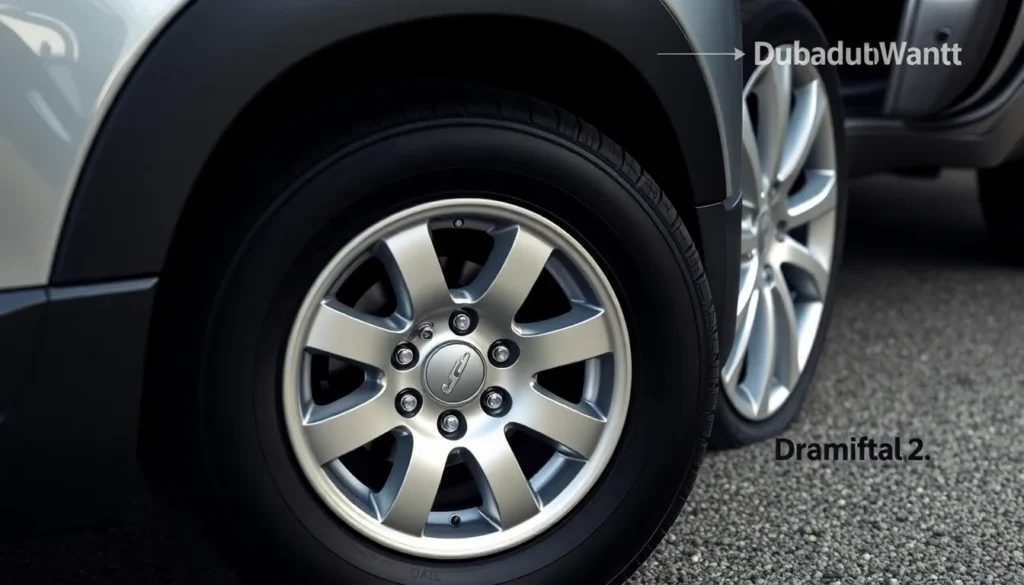
A touring tire is a category of tire designed mainly for passenger vehicles, including sedans, coupes, and crossovers. These tires prioritize a combination of comfort, durability, and all-season performance, making them well-suited for daily commuting and long-distance driving. Unlike performance or off-road tires, touring tires are engineered to offer a quiet ride, stable handling, and extended tread life, appealing to drivers seeking a balanced driving experience rather than specialized capabilities.
Detailed Explanation
Touring tires typically feature a symmetrical or asymmetrical tread pattern that optimizes traction in various road conditions, including dry, wet, and light snow. Their rubber compounds are formulated to provide a softer ride and reduced road noise compared to sport or performance tires. Additionally, these tires often incorporate reinforced sidewalls for enhanced stability without compromising ride comfort.
Manufacturers design touring tires to deliver longevity, often reflected in higher treadwear ratings. They usually come with all-season ratings, allowing them to perform adequately in a range of climates, although they are not specialized for severe winter conditions. The tread designs often include circumferential grooves and multiple sipes to improve water evacuation and reduce hydroplaning risks.
How It Works
The construction of touring tires balances several factors to achieve their characteristic attributes. The tread pattern is engineered to maximize contact with the road surface, enhancing grip and handling consistency. The rubber compounds are selected to maintain flexibility across a range of temperatures, ensuring performance from warm summer conditions to mild winter weather.
Sidewall reinforcements provide the tire with structural integrity, reducing flex during cornering, which improves stability and steering response. Meanwhile, the tread design promotes even wear patterns, contributing to the tire’s extended lifespan. The combination of these design elements results in a tire optimized for comfort, quietness, and reliable traction under typical driving conditions.
Examples
- All-season touring tires with symmetrical tread patterns that offer consistent performance and easy rotation options.
- Asymmetrical touring tires designed to enhance cornering and handling while maintaining comfort and low noise.
- Grand touring tires that combine elements of touring tires with some performance features, catering to drivers who want a balance of comfort and sportiness.
Common Misconceptions
Misconception: Touring tires are only for luxury cars.
Correction: Touring tires are used on a wide range of passenger vehicles, not exclusively luxury models. They are chosen for their comfort and longevity characteristics rather than the vehicle’s status.
Misconception: Touring tires cannot be used in winter.
Correction: Many touring tires are all-season rated and can handle light winter conditions, but they are not designed for severe snow or ice, which requires dedicated winter tires.
Pros and Cons
Comparison Table
| Aspect | Touring Tire | Performance Tire |
|---|---|---|
| Meaning | Designed for comfort, durability, and balanced all-season performance. | Designed for enhanced handling, grip, and responsiveness, often at the expense of tread life and comfort. |
| Ride Comfort | High | Moderate to Low |
| Tread Life | Long | Shorter |
| Handling | Balanced | Superior |
| Noise Levels | Low | Higher |
| Weather Suitability | All-season (light winter capable) | Primarily dry and wet performance, limited winter |
Decision Checklist
- Use this if you prioritize a comfortable, quiet ride with good all-season performance and longer tire life.
- Avoid this if you require maximum handling, sport performance, or specialized winter traction.
- Check this first if your driving involves daily commuting, long highway trips, or you drive in regions with mild winters.
What is the easiest way to understand Touring Tires?
Think of touring tires as the practical, all-around tires for everyday passenger vehicles. They offer a smooth and quiet ride, last longer, and perform reliably in a variety of weather conditions, without focusing on sporty or extreme performance characteristics.
FAQ
Are touring tires suitable for all weather conditions?
Touring tires are generally designed for all-season use, meaning they perform well in dry, wet, and light snow conditions. However, they are not optimized for severe winter weather, where dedicated winter tires are recommended.
How long do touring tires typically last?
Touring tires often have longer tread life compared to performance tires, with many rated for 50,000 to 80,000 miles depending on usage, brand, and driving conditions.
Can I use touring tires on a sports car?
While touring tires can be used on sports cars, they may not provide the high level of grip and handling that performance tires offer. Drivers seeking sporty driving dynamics usually prefer performance-oriented tires.





Leave a Reply