
Short Answer
Overview
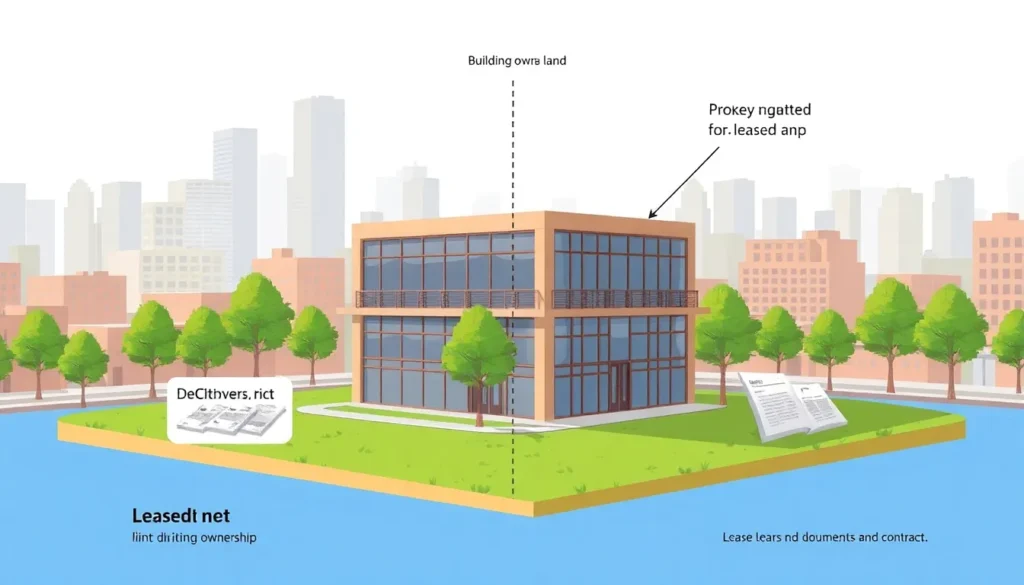
A ground lease is a contractual arrangement in real estate where a tenant leases land from a property owner for an extended period, often ranging from 30 to 99 years or more. Unlike traditional leases that cover both land and buildings, a ground lease typically separates land ownership from the ownership of any structures or improvements placed on the land. The tenant usually has the right to develop, use, and maintain the land during the lease term, while the landowner retains ownership of the underlying land.
Detailed Explanation
Ground leases are commonly used in commercial real estate, where the tenant may construct buildings or other structures on the leased land. The tenant is responsible for property taxes, insurance, and upkeep of the improvements, but not the land itself. At the end of the lease term, ownership of all improvements generally reverts to the landowner unless otherwise negotiated.
This type of lease arrangement allows tenants to access land without the upfront costs of purchasing it, while landowners can generate steady income without selling their property. Ground leases are often structured to include periodic rent escalations, renewal options, and specific terms governing the use and maintenance of the land and improvements.
How It Works
In a ground lease agreement, the landowner (lessor) grants the tenant (lessee) the right to use the land for a specified term. The tenant may develop the land by constructing buildings or other facilities, which they typically own during the lease. Rent payments are usually made periodically, based on a fixed amount or a percentage of revenue generated from the property.
Because the lease term is long, tenants can finance construction or improvements on the property, using their leasehold interest as collateral. At lease expiration, the landowner often gains ownership of the improvements unless the lease includes renewal terms or purchase options.
Examples
- Commercial Development: A company leases land from a city to build an office complex. The company owns the buildings during the lease, pays rent on the land, and maintains the property. After 50 years, ownership of the buildings reverts to the city if the lease is not renewed.
- Retail Centers: A retail chain leases land from a private landowner and builds a shopping center. The lease may include rent escalations every five years and specific requirements for upkeep and use.
- Public Infrastructure: Government agencies may lease land to private developers to build infrastructure like parking garages or transit hubs, with the land reverting to public use after the lease ends.
Why It Matters
Ground leases enable efficient use of land by allowing tenants to develop property without outright ownership of the land, making it accessible to entities that may not have the capital to purchase land outright. They also provide landowners with a stable income stream and long-term control over their property. This arrangement supports diverse real estate development strategies and can be particularly useful in urban areas with high land values.
Common Misconceptions
Misconception: The tenant owns the land in a ground lease.
Correction: The tenant leases the land but does not own it; ownership remains with the landowner.
Misconception: Improvements made by the tenant automatically belong to the tenant after the lease ends.
Correction: Typically, improvements revert to the landowner at the end of the lease unless otherwise stipulated.
Pros and Cons
Pros:
- Lower initial capital investment for tenants as they lease land rather than buy.
- Landowners retain ownership of valuable land while generating income.
- Allows tenants to develop property and benefit from improvements during lease term.
- Can provide tax benefits related to lease payments and property improvements.
Cons:
- Lease terms can be complex, requiring careful negotiation and legal review.
- Tenants may face uncertainty at lease end regarding renewal or ownership of improvements.
- Ground rents can increase over time, impacting financial planning.
- Financing can be more challenging due to leasehold interest instead of fee simple ownership.
Comparison Table
| Aspect | Ground Lease | Fee Simple Ownership |
|---|---|---|
| Meaning | Long-term lease of land where tenant owns improvements. | Complete ownership of land and all improvements. |
| Ownership | Land owned by lessor; improvements owned by lessee during lease. | Owner holds full rights to land and improvements. |
| Term Length | Typically 30 to 99 years or more. | Indefinite, permanent ownership. |
| Financial Commitment | Lower upfront cost; ongoing rent payments. | Higher upfront cost; no rent payments. |
| At Lease End | Improvements usually revert to landowner. | Ownership remains with the owner. |
Decision Checklist
What is the easiest way to understand a Ground Lease?
The easiest way to understand a ground lease is to think of it as renting land for a long period, where you can build, use, and own the buildings or structures during the lease, but you never actually own the land beneath them. When the lease ends, the land and anything built on it usually belong to the landowner.
FAQ
What happens to buildings on the land at the end of a ground lease?
Typically, ownership of any buildings or improvements on the land reverts to the landowner at the end of the lease unless the lease includes provisions for renewal or purchase options.
Can ground leases be renewed?
Yes, many ground leases include options for renewal, but the terms must be negotiated and agreed upon before the original lease expires.
Is a ground lease the same as renting a property?
Not exactly. A ground lease specifically pertains to leasing land, often for long terms, where the tenant may own improvements on the land. Renting usually refers to leasing both land and buildings or just buildings for shorter periods.



Leave a Reply