
Short Answer
Overview
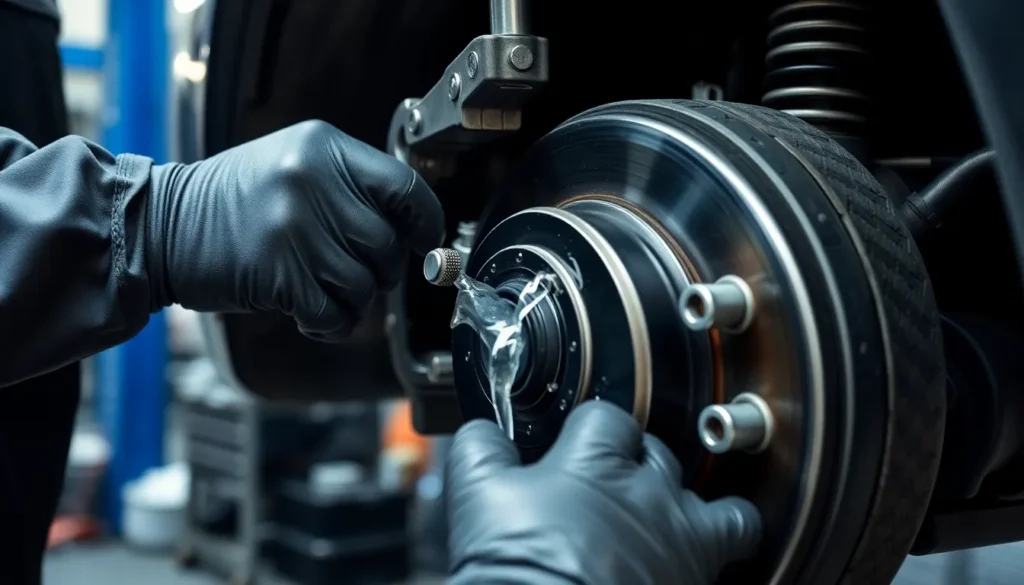
A brake flush is a vehicle maintenance service that involves removing the existing brake fluid from the brake system and replacing it with fresh fluid. Brake fluid is a hydraulic fluid responsible for transmitting force from the brake pedal to the brake components, enabling the vehicle to slow down or stop. Over time, brake fluid can absorb moisture and contaminants, which can reduce braking efficiency and potentially cause damage to brake components. A brake flush helps maintain the brake system’s performance and reliability by ensuring the fluid remains clean and effective.
Detailed Explanation
Brake fluid is hygroscopic, meaning it absorbs moisture from the environment. This absorbed water lowers the fluid’s boiling point, which can lead to brake fade or failure under heavy braking conditions. Additionally, contaminants and degraded fluid can cause corrosion and wear within the brake system. A brake flush is recommended at regular intervals, typically every two to three years, depending on the vehicle manufacturer’s specifications and driving conditions. The procedure involves draining the old fluid and replacing it with new brake fluid to restore optimal hydraulic function.
How It Works
During a brake flush, a technician typically uses specialized equipment to remove the old brake fluid from the master cylinder, brake lines, calipers, and wheel cylinders. The system is then refilled with fresh brake fluid, usually DOT 3, DOT 4, or DOT 5.1, depending on the vehicle’s requirements. The new fluid is circulated through the system to expel air bubbles and remaining contaminants. This process ensures that the entire brake system contains clean fluid, improving braking responsiveness and safety.
Examples
- Routine brake flush as part of scheduled vehicle maintenance to prevent brake system degradation.
- Brake flush performed after brake system repairs, such as replacing brake lines or calipers, to remove old fluid and air from the system.
- Brake flush recommended if brake fluid contamination is suspected due to symptoms like spongy brake pedal or reduced braking power.
Why It Matters
Maintaining clean brake fluid is crucial for vehicle safety. Moisture and contaminants in the brake fluid can lead to corrosion of brake components, reduced braking efficiency, and increased risk of brake failure. A brake flush helps prevent these issues by restoring the fluid’s proper hydraulic properties, ensuring reliable braking performance under various conditions. This maintenance procedure can extend the lifespan of brake components and enhance overall driving safety.
Common Misconceptions
Misconception: Brake fluid never needs to be changed.
Correction: Brake fluid degrades over time due to moisture absorption and contamination; regular replacement is necessary for safe brake operation.
Misconception: A brake flush is the same as simply topping off brake fluid.
Correction: A brake flush completely replaces the old fluid, whereas topping off only adds fluid without removing contaminants or moisture.
Pros and Cons
Pros: Improves brake system performance, prevents corrosion, removes moisture and contaminants, extends brake component life, enhances vehicle safety.
Cons: Can be costly if performed frequently, improper flushing may introduce air into the system, requires professional equipment and expertise.
Comparison Table
| Aspect | Brake Flush | Brake Fluid Top-Off |
|---|---|---|
| Meaning | Complete replacement of old brake fluid with new fluid to remove contaminants and moisture. | Adding brake fluid to the reservoir without removing old fluid or contaminants. |
| Effectiveness | High; restores brake fluid quality and system performance. | Low; only increases fluid level, does not improve fluid quality. |
| Frequency | Recommended every 2-3 years or as specified by manufacturer. | Performed as needed to maintain fluid level between flushes. |
Decision Checklist
What is the easiest way to understand a Brake Flush?
Think of a brake flush as replacing the old, dirty water in a pipe system with clean water to ensure smooth flow. Similarly, a brake flush replaces old, moisture-laden brake fluid with fresh fluid to maintain the brake system’s effectiveness and safety.
FAQ
How often should I get a brake flush?
Most vehicle manufacturers recommend a brake flush every two to three years, but this can vary based on vehicle use and driving conditions. Check your owner’s manual for specific guidelines.
Can I perform a brake flush myself?
While it is possible to perform a brake flush at home, it requires specialized tools and knowledge to avoid introducing air into the brake system, which can impair braking performance. Professional service is generally recommended.
What happens if I don’t get a brake flush?
Failing to replace old brake fluid can lead to moisture buildup, corrosion, reduced braking efficiency, and ultimately brake failure, compromising vehicle safety.






Leave a Reply