
Short Answer
Overview
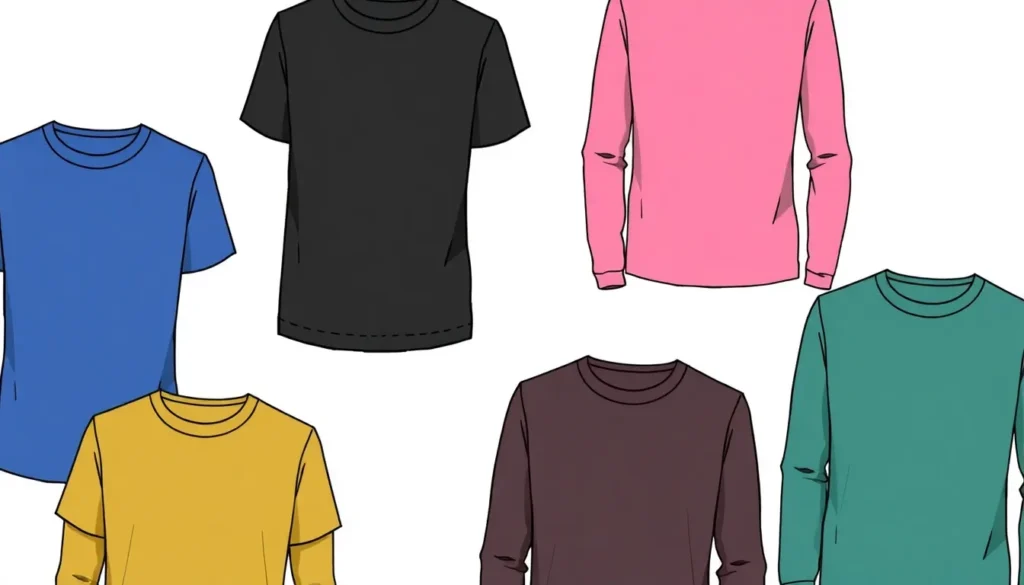
A crew neck is a style of neckline found on various garments, particularly shirts, sweaters, and sweatshirts. It is characterized by a round, close-fitting collar that lies flat against the base of the neck. The design typically lacks any collar or buttons, offering a simple and clean aesthetic. Originally popularized in athletic wear, the crew neck has become a staple in casual and everyday clothing across many cultures.
Detailed Explanation
The crew neck is defined by its circular, collarless neckline that sits just at the base of the neck. This style is distinct from other necklines such as the V-neck, which forms a V shape, or the turtleneck, which extends upward to cover the neck. The crew neck’s design is minimalist, often featuring ribbed or reinforced edging to provide durability and maintain its shape after repeated wear and washing.
The name “crew neck” is believed to have originated from its association with crew teams—rowing groups—who wore this style of shirt for its comfort and practical fit during physical activity. Over time, the crew neck style extended beyond sportswear into mainstream fashion.
How It Works
The construction of a crew neck involves cutting a round neckline into the fabric of a shirt or sweater and then attaching a band of ribbed or stretchy material around the edge. This band helps the neckline retain its shape and provides a snug fit against the skin. The close-fitting nature of the crew neck prevents the neckline from sagging or stretching out over time.
This neckline style is particularly suited to knit fabrics such as cotton, wool, or blends, allowing for flexibility and comfort. It suits a wide range of body types and layering styles, making it a versatile choice in garment design.
Examples
- Crew Neck T-Shirt: A classic staple in casual wear, often made of cotton and worn alone or as a layering piece.
- Crew Neck Sweatshirt: Typically made from heavier materials like fleece or cotton blends, providing warmth and comfort.
- Crew Neck Sweater: Often knitted from wool or synthetic fibers, crew neck sweaters are common in both casual and semi-formal attire.
Why It Matters
The crew neck’s importance lies in its widespread adoption across different types of clothing and cultural contexts. Its simple design makes it a versatile and accessible garment choice for people of all ages and genders. The crew neck also promotes ease of movement and comfort, which has contributed to its popularity in sportswear and casual fashion.
Common Misconceptions
Misconception: Crew necks are only for athletic wear.
Correction: While the crew neck originated in sports apparel, it is now a common neckline for many types of garments including casual, formal, and fashion-forward clothing.
Misconception: Crew necks are the same as round necks.
Correction: While often used interchangeably, “crew neck” specifically refers to a close-fitting, ribbed collar at the base of the neck, whereas “round neck” can be a more general term for any rounded neckline without the ribbed edge.
Pros and Cons
Pros:
- Simple, timeless design that suits many styles.
- Comfortable and non-restrictive neckline.
- Durable and maintains shape well with ribbed edging.
- Versatile for layering and seasonal use.
Cons:
- May not be flattering for all body shapes or neck lengths.
- Lacks the formal or elegant appearance of collared or V-neck styles.
- Can feel restrictive for those who prefer looser necklines.
Comparison Table
| Aspect | Crew Neck | V-Neck |
|---|---|---|
| Meaning | Round, close-fitting collar at the base of the neck without buttons or collars | A neckline forming a V shape that dips down the chest |
| Common Uses | T-shirts, sweaters, sweatshirts, casual wear | T-shirts, dress shirts, sweaters, often for a more formal or elongated appearance |
| Aesthetic | Simple, classic, sporty | Elongating, sometimes more formal or stylish |
| Comfort | Snug but non-restrictive | Usually less restrictive around the neck |
Decision Checklist
What is the easiest way to understand a Crew Neck?
The easiest way to understand a crew neck is to think of a T-shirt neckline that is perfectly round and sits closely around the base of the neck without any collars or buttons. It is a simple, functional design widely seen in everyday casual apparel.
FAQ
What distinguishes a crew neck from other necklines?
A crew neck is distinguished by its round, close-fitting collar that lies flat at the base of the neck without any collar or buttons, unlike other necklines such as V-necks or turtlenecks.
Is a crew neck suitable for formal occasions?
Crew necks are typically considered casual or semi-casual and are less common in formal attire, where collared shirts or more structured necklines are preferred.
How do I care for crew neck garments to maintain their shape?
To maintain the shape of a crew neck garment, it is advisable to wash it according to fabric care instructions, avoid excessive stretching, and lay flat to dry if possible to prevent the neckline from losing elasticity.






Leave a Reply