
Short Answer
Overview
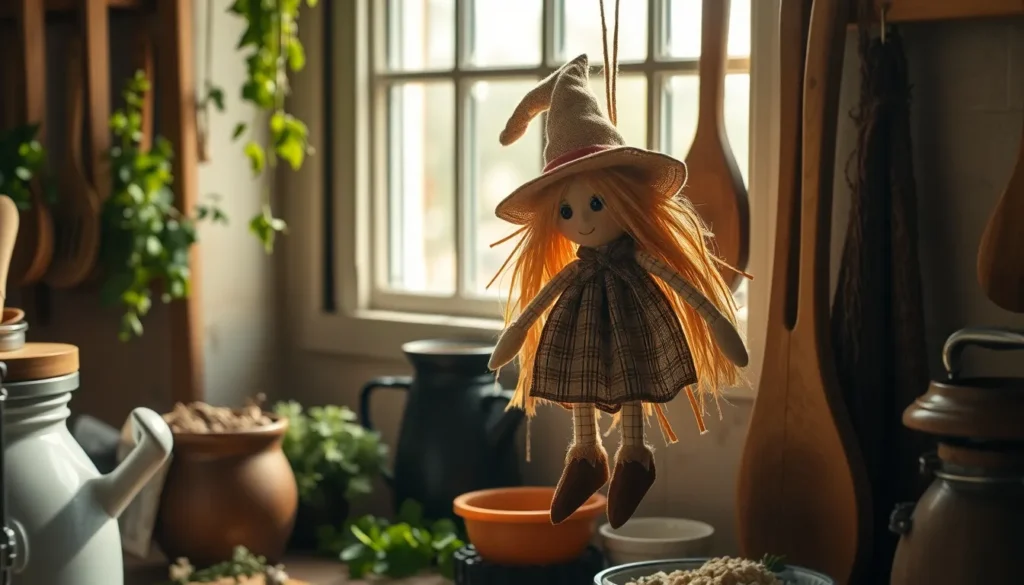
A kitchen witch is traditionally a symbolic figure or charm associated with the practice of incorporating magical intent into kitchen and domestic activities, particularly cooking. Originating from European folklore and later embraced by modern pagan and witchcraft traditions, the kitchen witch is often represented as a doll or figurine resembling a witch, placed in kitchens to promote protection, prosperity, and a harmonious household environment. The concept centers on the belief that everyday kitchen tasks can be imbued with positive energy and intention, thus influencing the wellbeing of those who live in the home.
Detailed Explanation
The kitchen witch concept dates back to historical European folk practices, where witches were often linked to household and hearth magic rather than solely to occult rituals. The kitchen witch doll, typically crafted from natural materials like straw or cloth, is believed to serve as a guardian spirit for the kitchen, watching over food preparation and warding off negative influences. In modern interpretations, kitchen witches are embraced by practitioners of Wicca and other neopagan paths as a way to blend mundane domestic activities with spiritual practice.
Unlike witches associated with spellcasting or rituals, the kitchen witch symbolizes the sacredness of daily life tasks and the nurturing role of the home. This figure embodies an accessible form of magic that emphasizes mindfulness, gratitude, and intention in cooking and household management.
How It Works
The efficacy of a kitchen witch is primarily symbolic and psychological rather than empirical. By placing a kitchen witch doll or charm in the kitchen, individuals may feel encouraged to approach cooking and household tasks with greater care and positive intention. This practice can foster a sense of comfort, protection, and connection to tradition. Some users also incorporate spells, blessings, or affirmations during meal preparation to enhance the perceived influence of the kitchen witch.
In many households, the kitchen witch serves as a reminder to respect the food, cherish the home environment, and maintain a positive atmosphere. The belief in its protective qualities may also contribute to reducing stress and promoting wellbeing among household members.
Examples
- Straw or Cloth Dolls: Commonly handmade using natural fibers, these dolls often feature traditional witch-like attire and are hung or placed in kitchens.
- Ceramic or Wooden Figurines: Some kitchen witches are crafted from ceramics or wood and serve as decorative items with symbolic meaning.
- Kitchen Witch Charms: Small charms or talismans bearing symbols such as brooms, cauldrons, or herbs used in folk magic.
- Incorporation in Rituals: Some practitioners may perform simple blessings or spells while cooking, often invoking the kitchen witch’s presence.
Why It Matters
The kitchen witch concept highlights the intersection between folklore, spirituality, and everyday life. It underscores how traditional beliefs can be adapted to modern contexts, fostering mindfulness and intentionality in routine tasks. The kitchen witch also serves as a cultural symbol that helps preserve aspects of heritage related to domestic life and women’s roles in the household. For many, it provides a tangible connection to spiritual practice without requiring elaborate rituals, making magic more accessible and integrated into daily living.
Common Misconceptions
Misconception: A kitchen witch is a practitioner of dark or harmful magic.
Correction: The kitchen witch is traditionally a positive symbol associated with protection, nourishment, and household wellbeing, not harmful magic.
Misconception: Kitchen witches are a modern invention without historical roots.
Correction: While popularized in modern neopaganism, the kitchen witch concept has origins in European folk practices related to household and hearth magic.
Pros and Cons
Pros: Encourages mindfulness and intention in daily tasks; fosters a positive home atmosphere; connects individuals to cultural and spiritual traditions; accessible and non-complex form of magic or symbolism.
Cons: Lacks empirical evidence of supernatural effects; may be misunderstood or misrepresented in popular culture; reliance on symbolism may not appeal to all individuals.
Comparison Table
| Aspect | Kitchen Witch | Traditional Witchcraft |
|---|---|---|
| Meaning | Symbol of protection and positive energy in the kitchen and home | Broader practice of magic, including spellcasting and rituals |
| Scope | Focused on domestic life and cooking | Varied magical practices across multiple domains |
| Representation | Dolls, charms, figurines placed in kitchens | Practitioners performing rituals, using tools and spells |
| Purpose | Promote wellbeing and positive atmosphere at home | Achieve specific magical or spiritual outcomes |
Decision Checklist
What is the easiest way to understand a Kitchen Witch?
The easiest way to understand a kitchen witch is as a traditional symbolic figure or charm that represents the idea of bringing magic, protection, and positive intention into everyday kitchen activities. It is less about supernatural powers and more about cultivating a mindful and nurturing environment through the simple act of cooking and caring for the home.
FAQ
Is a kitchen witch a real magical practitioner?
A kitchen witch is generally a symbolic figure or charm rather than an individual practicing formal magic. It represents the infusion of positive intention and protection into domestic activities.
Where do kitchen witches come from?
Kitchen witches originate from European folk traditions where domestic and hearth magic were common, later embraced by modern neopagan movements.
Can anyone have a kitchen witch in their home?
Yes, kitchen witches are accessible symbols that anyone can incorporate into their kitchen as a form of positive decoration or spiritual reminder.






Leave a Reply